
23 Aug Epoxy Flooring in Saudi Arabia | Stylish Section
Epoxy Flooring in Saudi Arabia: Industrial Durability & Seamless Finish
Introduction: In Saudi Arabia’s industrial and commercial facilities, floors take a beating from heavy machinery, intense foot traffic, and extreme temperatures. Traditional concrete slabs can crack or generate dust under such stress, leading to safety hazards and costly repairs. This is where epoxy flooring comes in. Epoxy flooring uses high-strength epoxy resins to create a seamless, rock-hard surface that protects concrete and stands up to harsh conditions. It’s a go-to solution for factories, warehouses, garages, and even hospitals across Riyadh, Jeddah, Dammam, and beyond. In this guide, we explore what epoxy flooring is, its benefits in the KSA context, common applications, and how to get the most out of this durable flooring option.
What is Epoxy Flooring?
Epoxy flooring is a resinous floor coating formed by mixing a two-component epoxy system (a resin and a hardener) and applying it over a prepared concrete slab. The chemical reaction between the epoxy components creates a rigid plastic material that bonds firmly to the concrete. Once cured, an epoxy floor is seamless, highly durable, and resistant to chemicals and abrasion. Unlike tile or cement screeds, epoxy doesn’t have grout lines or pores – it forms one continuous layer, which prevents dirt and liquids from seeping in. This makes epoxy an excellent protective flooring solution for demanding environments.
How it works: Installers typically pour or trowel the liquid epoxy mixture onto the concrete substrate. The epoxy then self-levels (for certain formulations) and hardens into a smooth, non-porous overlay. Thickness can vary by system – from thin ~0.5 mm epoxy floor coating layers to heavy-duty 5 mm epoxy mortar screeds – depending on the facility’s needs. The result is a floor that bonds to the substrate like glue, effectively sealing and strengthening the surface below.
Benefits of Epoxy Flooring in Saudi Arabia
Epoxy flooring offers a range of benefits, especially suited to Saudi Arabia’s industrial and climatic conditions:
- Extreme Durability: Epoxy floors are known for their industrial-strength performance. They withstand heavy vehicle traffic (forklifts, trucks) and point loads without cracking or peeling. Even under intense use in a warehouse or factory, a quality epoxy coating maintains its integrity for years. This durability is crucial in KSA’s logistics hubs and manufacturing plants where floors see constant stress.
- Chemical & Heat Resistance: High-quality epoxy resins create floors that resist oil spills, corrosive chemicals, and heat. In Saudi industries like petrochemical plants or car garages, epoxy coatings protect concrete from fuels, acids, and lubricants. They also handle high ambient temperatures; standard epoxy floors tolerate typical indoor heat (and can be formulated for high-heat areas), ensuring the floor won’t soften or deform on hot days. (For extremely high-temperature or thermal shock areas, specialized polyurethane concrete systems like PU-Crete may be recommended.)
- Hygienic & Seamless Surface: Because epoxy floors have no joints and are non-porous, they do not trap dirt, bacteria, or moisture. This is a big advantage for food processing facilities, kitchens, pharmaceutical plants, and hospitals in Saudi Arabia that must meet strict hygiene standards. The seamless finish is easy to sanitize and helps maintain a germ-free environment.
- Low Maintenance: An epoxy-coated floor is very simple to clean. Dust, sand, and spills can be quickly swept or mopped up from the smooth surface. In a desert environment, facilities often battle dust intrusion – epoxy flooring prevents concrete dusting and makes daily cleanup more efficient. Additionally, the coating is stain-resistant; even tough spills (oil, chemicals) can usually be removed without special treatment.
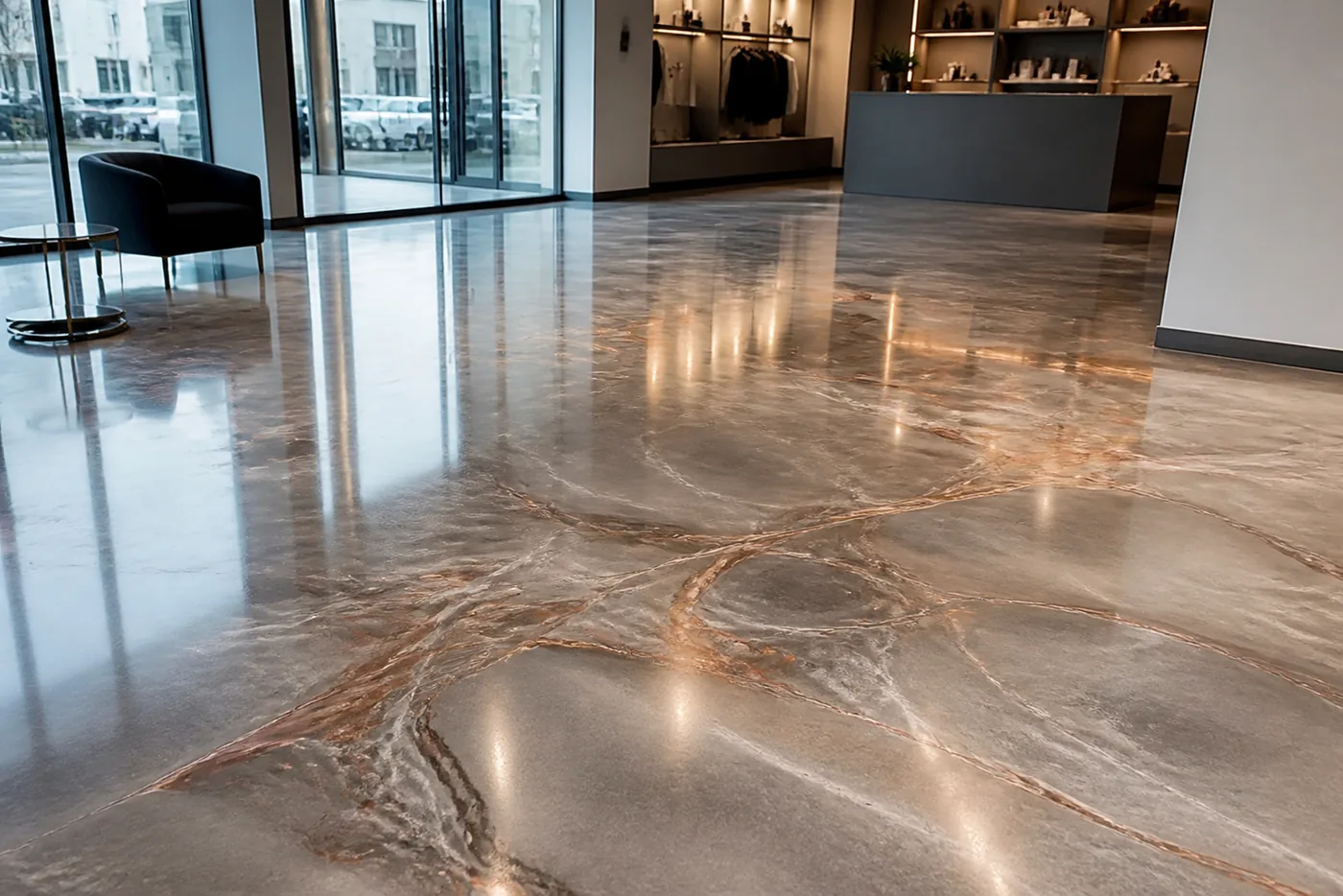
- Improved Safety & Aesthetics: Epoxy floors can be customized with anti-slip textures to enhance safety, especially if liquids might be present. Despite being glossy and smooth, adding a fine aggregate or an orange-peel topcoat to the epoxy provides traction so that the floor isn’t slippery when wet. Visually, epoxy comes in many colors and finishes (solid colors, decorative flakes, even metallic effects), allowing businesses to have a bright, reflective floor that improves lighting and looks professional for visitors.
Common Applications of Epoxy Floors
Epoxy flooring is used across many sectors in Saudi Arabia. Anywhere a tough, easy-to-clean floor is needed, epoxy likely has a role. Some common applications include:
- Industrial Warehouses and Factories: For manufacturing plants, logistics warehouses, and workshops, epoxy flooring protects the concrete from heavy machinery and constant forklift traffic. Its durability minimizes downtime due to floor repairs. In logistics centers around Riyadh and Jeddah, epoxy-coated floors also resist abrasion from pallets and reduce dust, keeping goods and equipment cleaner.
- Automotive Garages and Workshops: In car service centers and industrial garages, epoxy floors provide a non-absorbent, oil-resistant surface. They can handle vehicle weight and won’t be damaged by hot tires or engine fluids. Many automotive facilities in Dammam and other Saudi cities choose light-grey epoxy floors for a cleaner, professional look that also makes oil leaks easy to spot and clean.
- Food & Beverage Facilities: Epoxy is popular in food processing plants, dairy factories, commercial kitchens, and bottling facilities. The seamless, food-safe finish helps maintain strict hygiene. For example, a bakery in Jeddah might install an epoxy floor with a coved edge up the wall, making the entire floor-wall junction washable and preventing bacteria buildup. Epoxy’s water resistance also means it won’t deteriorate from routine wash-downs or occasional spills.
- Healthcare and Pharmaceuticals: Hospitals, clinics, and pharmaceutical manufacturing areas benefit from epoxy flooring’s sterility and chemical resistance. In laboratory or clean-room settings, anti-static (ESD-safe) epoxy coatings are often used to prevent any static discharge from damaging sensitive equipment. Saudi hospitals have applied epoxy in corridors and operating rooms because it’s seamless and supports stringent sanitization protocols.
- Commercial and Retail Spaces: Although industrial by nature, epoxy floors are also found in showrooms, supermarkets, and malls. Their high shine and ability to be colored or embedded with flakes make for an attractive yet durable surface. A car showroom in Riyadh, for instance, might use a colored epoxy finish to highlight vehicles, knowing the floor can bear the weight and won’t stain from tires. Even parking structures (especially indoor or shaded parking) utilize epoxy or polyurethane coatings to protect concrete from wear and sand abrasion.
Types of Epoxy Flooring Systems
Not all epoxy floors are identical – various systems are available to suit different requirements. Below is a comparison of common epoxy flooring types used in Saudi Arabia and their typical characteristics:
| Epoxy Flooring System | Typical Thickness | Ideal Uses | Key Features |
|---|---|---|---|
| Epoxy Floor Coating (thin film) | ~0.3–1 mm | Light-duty areas, garages, home workshops | Economical; adds basic chemical resistance and gloss, but limited heavy load capacity. |
| Self-Leveling Epoxy | ~2–3 mm | General industrial floors, warehouses, showrooms | Smooth, level finish; handles moderate heavy traffic and is easy to clean. |
| Epoxy Mortar Screed (troweled) | 5 mm and up | Heavy industry, repairing damaged concrete, loading bays | Ultra-durable and impact-resistant; can fill in uneven surfaces; suitable for constant forklift and heavy machinery use. |
| Decorative Epoxy (flakes or metallic) | ~2–4 mm | Retail stores, offices, car showrooms, public areas | Aesthetic appeal with colored flakes or metallic swirls; still durable and seamless for commercial use. |
| Anti-Static Epoxy (ESD) | ~2 mm (with copper grid) | Electronics manufacturing, laboratories, ammunition facilities | Conductive properties dissipate static charges; usually includes a grounding system under the epoxy layers. |
As the table shows, you can select an epoxy system based on the demands of your environment. For example, a pharmaceutical lab in Riyadh might opt for a 2 mm self-leveling anti-static epoxy floor to protect equipment, whereas a heavy truck maintenance depot in Dammam would need a thick epoxy mortar screed to endure constant impact. Choosing the right type ensures you get the best performance and lifespan from your floor.
Epoxy Floor Installation Process
Installing epoxy flooring is a precise process best handled by professionals. The quality of installation directly affects how well the floor will perform in Saudi Arabia’s conditions. Here’s an overview of the typical steps:
- Surface Preparation: The concrete substrate must be clean, sound, and slightly roughened for epoxy to bond. Installers will grind or shot-blast the concrete to remove any laitance (loose cement particles), old coatings, or grease. Cracks or holes are repaired with epoxy mortar. Proper prep is critical – any dust, moisture, or oil left on the slab can cause the epoxy to peel later.
- Priming: A primer coat of liquid epoxy is often applied first. This low-viscosity resin penetrates the concrete’s surface, ensuring a firm bond between the main epoxy layer and the substrate. Priming also seals the concrete, preventing air or moisture from causing bubbles in the coating.
- Mixing and Application: The epoxy resin and hardener components are mixed on-site according to precise ratios. The mixed epoxy is then poured or spread onto the floor. For self-leveling systems, installers use notched trowels or rakes to distribute the epoxy evenly, after which it flows and levels out. For mortar systems, the epoxy is combined with graded sand aggregate to a thicker consistency and troweled to the desired thickness. Installers wear spiked shoes to walk on the wet epoxy if needed, so they don’t leave marks.
- Broadcast & Topcoat (if required): If a non-slip or decorative finish is desired, aggregate or vinyl flakes can be broadcast onto the wet epoxy layer. Once the base layer sets, excess flakes are removed. Finally, a clear topcoat of epoxy or polyurethane is applied to encapsulate the flakes and provide the final gloss and texture. The topcoat also adds UV resistance if the floor will get some sunlight (important for parking areas or entrances).
- Curing: Epoxy needs time to cure and harden. In Saudi Arabia’s warm climate, epoxy may cure faster than in cooler environments, but generally a light foot traffic cure takes about 24 hours, and full mechanical/chemical strength is achieved in 3–7 days. It’s important to protect the floor during this curing period – keeping it dust-free and not placing any loads on it until it’s ready.
Throughout the installation, environmental conditions are monitored. Ideally, epoxy is applied when ambient temperatures are moderate (around 15–30 °C) and humidity is controlled. High humidity can interfere with epoxy curing and cause an amine blush (a sticky film on the surface). Professional installers will schedule the work and possibly use dehumidifiers to ensure proper curing, especially in coastal Saudi cities or during humid seasons.
Maintenance and Longevity
One big appeal of epoxy flooring is its relatively low maintenance needs. To keep an epoxy floor in top condition:
- Regular Cleaning: Dust-mop or sweep daily to remove sand and grit that can act like sandpaper under foot or forklift traffic. For deeper cleaning, a damp mop with a mild detergent is usually sufficient. Because epoxy is non-porous, spills stay on the surface – you should wipe up chemical spills or oils fairly soon, but they generally won’t soak in or cause immediate damage.
- Avoid Harsh Chemicals: While epoxy floors resist most substances, very strong acids or solvents could dull or etch the surface over time. Use cleaning products recommended for epoxy floors (neutral pH cleaners are best) and avoid unnecessarily harsh chemicals or abrasive scrubbers that might scratch the glossy finish.
- Prompt Repairs: Epoxy is tough, but if you do get a chip or gouge (for instance, if a heavy tool drops from height), it's wise to have it patched promptly. Small damaged spots can be repaired by flooring professionals to prevent them from spreading. Timely touch-ups keep the floor seamless and protect the concrete beneath from exposure.
- Recoat when Needed: After years of heavy use, the top layer of an epoxy floor may lose some shine or exhibit minor scratches. At that stage, the floor can be lightly sanded and an additional topcoat or new epoxy layer applied, extending its life without having to replace the entire floor. This ability to renew the surface is a cost-effective advantage of epoxy systems.
Longevity: When properly installed and maintained, epoxy flooring can last anywhere from 5 to 10 years in intense industrial settings, and even longer (10–15+ years) in lighter-duty or climate-controlled environments. For example, a busy warehouse running multiple shifts might see around 8 years of service from its epoxy floor before needing a refresh, whereas a retail showroom with moderate foot traffic could go well over a decade. The key factors affecting lifespan are the floor’s thickness, the level of traffic/abuse, and maintenance practices. In all cases, epoxy significantly extends the life of the underlying concrete by shielding it from wear and erosion.
Choosing Professional Epoxy Flooring Services
Selecting a qualified contractor is crucial to getting all the benefits of epoxy flooring. In Saudi Arabia, there are numerous providers, but you’ll want experts familiar with local conditions and industrial standards. Here are some tips for choosing the right epoxy flooring service:
- Experience in KSA: Look for companies with a strong track record of projects in the Kingdom’s major cities (e.g. Riyadh, Jeddah, Dammam). Local experience means the contractor understands challenges like high temperatures, dust control, and client expectations in Saudi industrial sites. They will also be up-to-date with any regional regulations or preferred materials.
- Quality Materials: Ask about the brands of epoxy resin and hardeners used. Trusted manufacturers (such as Sika, BASF, or Flowcrete) offer products that are tested for durability and compliance. The right contractor will choose the appropriate epoxy formulation (standard, chemical-resistant, food-grade, etc.) for your specific facility.
- Portfolio and References: Reputable flooring contractors can show you past epoxy installations similar to your needs – whether it’s a cold storage warehouse or a hospital lab. Don’t hesitate to request references. A provider like Soliddrops, for instance, has a diverse portfolio across Saudi Arabia, which is a good sign of versatile expertise.
- After-Sales Support: Professional installers should provide a warranty on their workmanship and be willing to follow up on any issues. They can also offer maintenance guidance. This level of service ensures your investment is protected long-term.
For specialized Epoxy Flooring solutions, engaging professionals is essential. A skilled team will handle everything from surface prep to final coating, and they’ll do it safely and efficiently – often working around your schedule to minimize downtime. By choosing experienced contractors, you avoid common pitfalls like peeling floors or improper curing, and you get the best return on your flooring investment.
Frequently Asked Questions
- Q: How long does an epoxy floor last?
- A: The lifespan of an epoxy floor depends on its thickness and usage. In a high-traffic industrial area, epoxy flooring typically lasts around 5–10 years before it might need a rejuvenating topcoat. In lighter-use settings, it can last well over a decade. Regular maintenance and prompt repairs help maximize its life.
- Q: Can epoxy flooring handle Saudi Arabia’s heat?
- A: Yes. Quality epoxy flooring can withstand the high ambient temperatures in Saudi Arabia’s climate. Once fully cured, epoxy is heat-resistant enough for typical indoor conditions and many covered outdoor areas. However, direct desert sun or extreme heat can eventually cause some epoxies to yellow or slightly degrade. For those extreme cases, installers may use a UV-stable topcoat or a polyurethane-based flooring to ensure durability.
- Q: Is epoxy flooring safe for food production areas?
- A: Absolutely. Epoxy provides a seamless, non-toxic surface that won’t harbor bacteria, making it ideal for food and beverage facilities. It’s commonly used in Saudi food processing plants, kitchens, and dairies to maintain hygiene. Just ensure a certified food-grade epoxy formulation is applied in these environments.
- Q: What maintenance do epoxy floors require?
- A: Very little. Routine sweeping or dust-mopping will remove loose debris. For a deeper clean, mopping with a mild detergent and water suffices; no waxing needed. Avoid harsh chemicals that could dull the finish, and try not to drag sharp equipment on the floor to prevent scratches. With these basic practices, epoxy floors remain in excellent condition.
- Q: Is an epoxy floor slippery when wet?
- A: A plain epoxy floor can be slippery if water or oil is left on it, due to its smooth finish. To counter this, installers can incorporate anti-slip additives (like fine sand or grit) into the topcoat. This creates a subtle texture that provides grip, ensuring the floor stays safe to walk on even when wet.
- Q: How much does epoxy flooring cost in Saudi Arabia?
- A: Pricing varies by project. A basic epoxy coat might start around SAR 50 per square meter, whereas specialized systems (thicker screeds or decorative finishes) can be a few hundred SAR per square meter. The condition of the existing floor, total area, and specific requirements (e.g., extra layers, custom colors) will influence the cost. It’s best to get a personalized quote after an on-site evaluation.
Conclusion & Call to Action
Epoxy flooring has proven to be a game-changer for Saudi Arabia’s industrial and commercial facilities, offering a resilient and clean foundation that meets the demands of harsh environments. Whether you run a manufacturing plant, a repair garage, or a food processing unit, a properly installed epoxy floor can enhance safety, efficiency, and aesthetics all at once. It’s an investment in longevity for your infrastructure.
Talk to Soliddrops — Epoxy Specialists in KSA
Serving Jeddah Riyadh Dammam and projects nationwide.