
PolySto FRP Kerbs and Hygienic Wall Protection in Saudi Arabia
SolidDrops supports PolySto FRP kerbs, CleanRock hygienic kerbs, FRP wall and ceiling panels, skirtings, wall protection, hygienic doors, windows, sealants and installation accessories for food, pharma, cold room, kitchen, healthcare and industrial projects across Saudi Arabia.
For consultants, contractors and facility teams, the goal is simple: build a cleanable wall-floor junction that can resist water, cleaning chemicals, trolley impact, routine washdown and long-term maintenance stress. SolidDrops helps buyers align kerbs, wall panels, resin floors, waterproofing details and accessories before a BOQ or quotation is finalized.
What This Page Solves
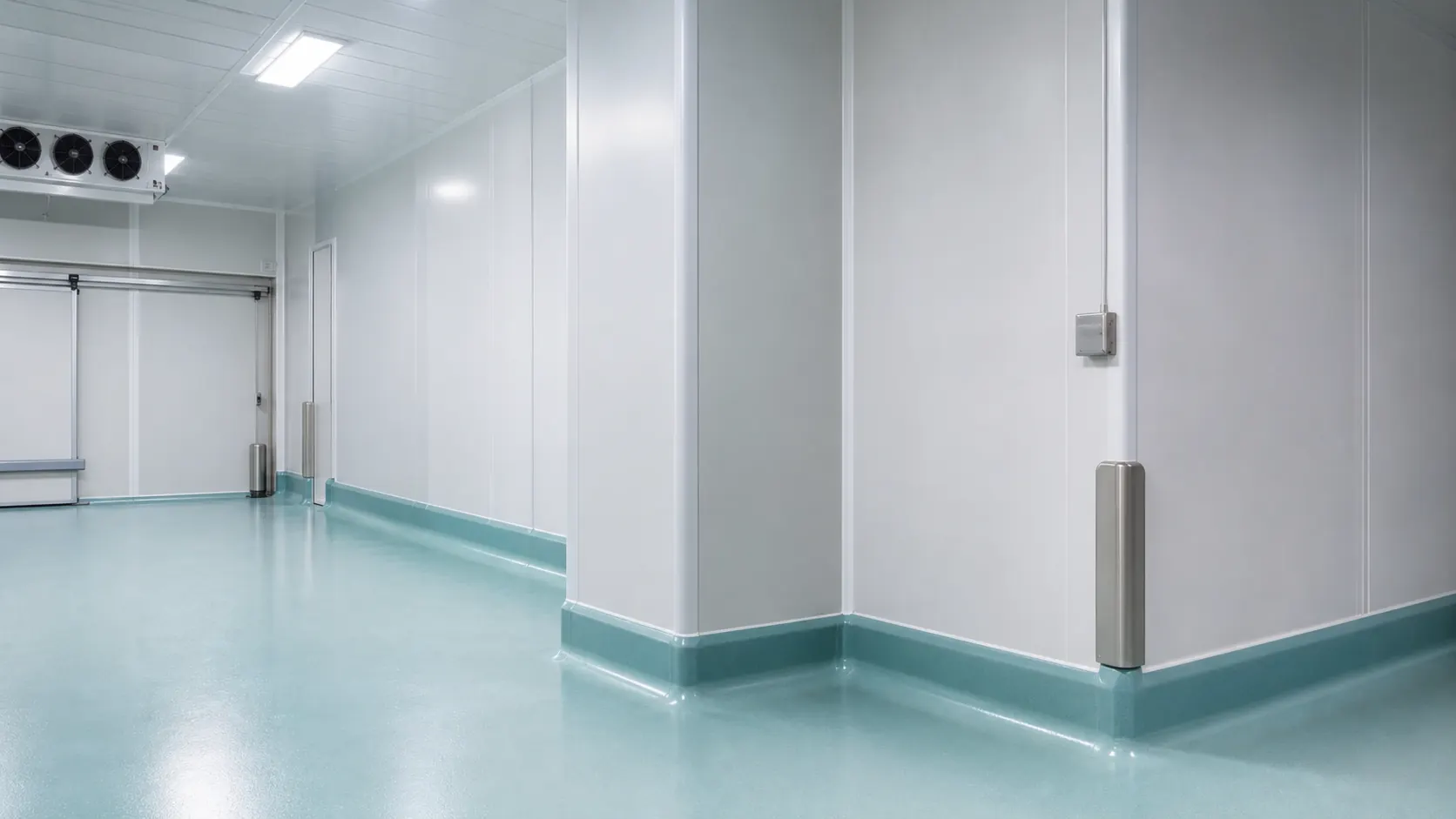
In hygienic facilities, the wall-floor junction is one of the first areas to fail. Water can sit near the wall base, cleaning chemicals can attack weak sealants, trolleys can chip corners, and poor detailing can let moisture travel behind wall finishes. Once this area is damaged, cleaning becomes harder and repair work usually interrupts operations.
PolySto FRP and kerb systems help create a stronger, cleaner and more inspectable room envelope when the system is selected around the real site conditions. The right solution may combine FRP wall panels, CleanRock kerbs, PVC skirtings, stainless steel protection, PE impact ledges, resin flooring, drainage detailing, hygienic sealants and accessories.
For consultants
Use this page to shortlist wall protection, kerb, panel, ceiling, door, window, sealant and accessory families for hygienic specifications and BOQ notes.
For contractors
Send BOQ, drawings, room sizes, photos and city details so SolidDrops can support material selection and quotation inputs before procurement.
For facility teams
Plan upgrades for high-wash, high-traffic and impact-prone areas without relying only on painted skirtings, weak silicone repairs or repeated tile patching.
Applications and Using Areas
FRP wall panels and hygienic kerbs are most useful where walls, floors and corners must remain clean, durable and easy to inspect. The system should be selected by room duty, traffic, cleaning method, temperature and moisture exposure.
Food and beverage
Meat, fish, poultry, dairy, bakery, beverage, packaging, cold rooms, freezer rooms, washdown corridors and production support rooms.
Commercial kitchens
Hotels, restaurants, central kitchens, cloud kitchens, dishwashing rooms, food preparation rooms, stores and back-of-house service corridors.
Healthcare and labs
Hospitals, clinics, laboratories, pharma preparation spaces, clean corridors, washable utility rooms and controlled maintenance areas.
Industrial protection
Loading edges, trolley routes, warehouse wall bases, plant rooms, utility zones, production corridors and maintenance workshops.
Wet and humid areas
Rooms exposed to moisture, pressure washing, cleaning chemicals, drainage, water splash, thermal change and frequent sanitation routines.
Renovation projects
FRP panels and kerbs can support upgrades over older tiled, painted or damaged walls when the substrate is stable and the preparation method is reviewed.
Product Family Matrix
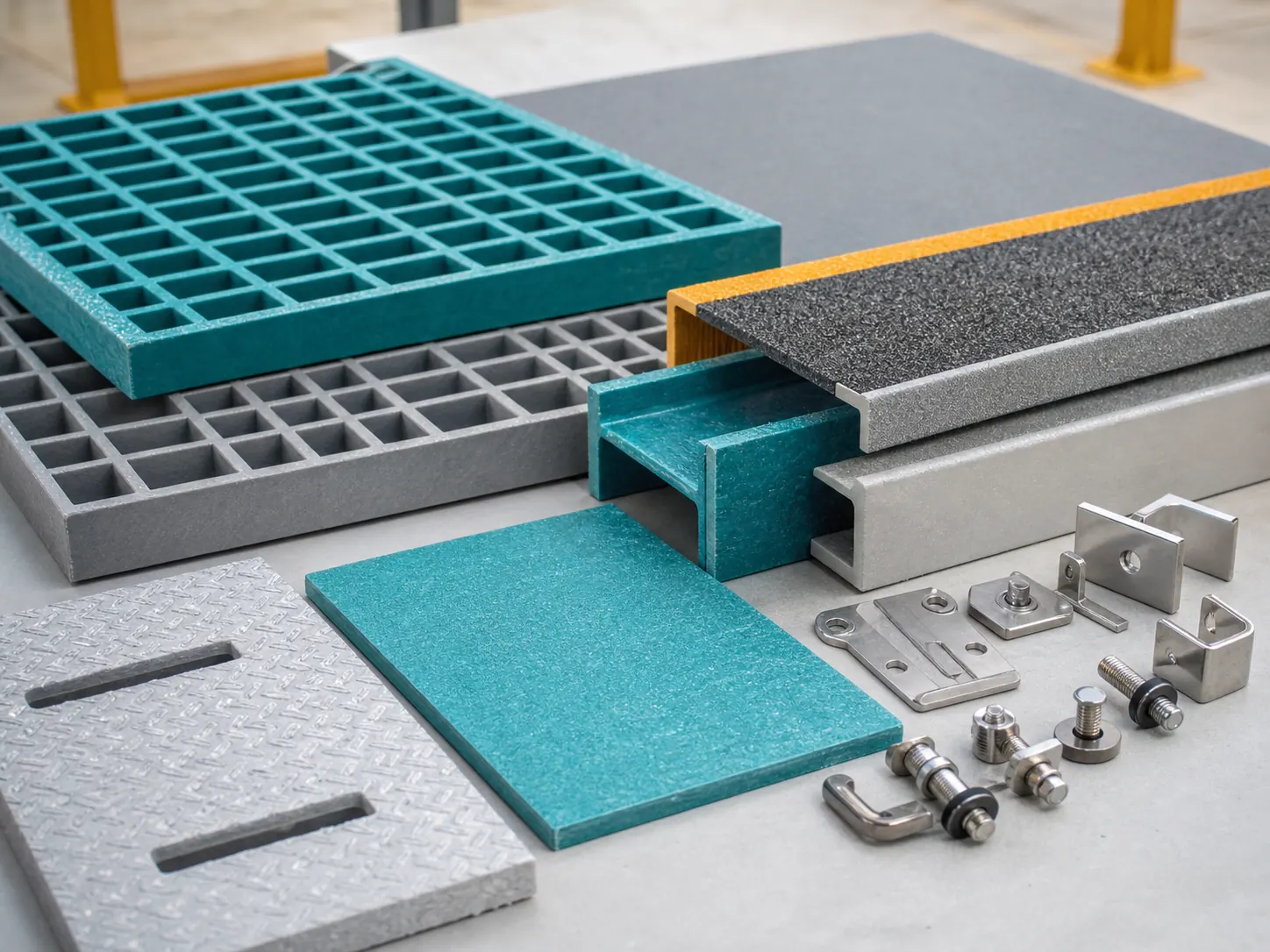
The existing SolidDrops page already includes a broad PolySto range. This expanded version keeps the same product families and makes each one easier to connect to a real project use.
Advantages and Business Benefits
| Need | How the system helps | Buyer benefit |
|---|---|---|
| Hygiene | Smooth washable FRP surfaces and coved kerbs reduce dirt traps at wall-floor junctions, corners and wet room edges. | Easier cleaning, better inspection readiness and less reliance on repeated patch repairs. |
| Impact protection | Kerbs, skirtings, PE ledges, stainless bollards and barriers protect walls from trolleys, carts, pallet movement and equipment. | Lower repair frequency in busy facilities and clearer protection zones for operators. |
| Moisture resistance | FRP panels, hygienic sealants and correct kerb detailing help limit water ingress behind wall finishes. | Better durability in kitchens, cold rooms, washdown areas and humid Saudi project environments. |
| Renovation speed | Panel and kerb systems can be planned around existing walls when substrate conditions allow. | Practical upgrade path for older tiled rooms, painted walls and damaged production areas. |
| Procurement clarity | SolidDrops can review drawings, photos, city, room use, dimensions and BOQ quantities. | Cleaner inquiry process for consultants, contractors, procurement teams and facility managers. |
Comparison Guide for Better Selection
Many project problems start when wall protection is selected only by price or appearance. A hygienic area needs the right wall material, kerb type, joint detail and floor interface.
For searches such as FRP panels vs ceramic tiles, hygienic kerbs vs normal skirting, or CleanRock kerbs for epoxy flooring, the practical answer is that no single material is correct for every room. The right choice depends on washdown frequency, chemical exposure, traffic, substrate condition, corner protection, floor finish and how easily the facility team can inspect and repair the wall base after handover.
| Option | Where it fits | Important selection note |
|---|---|---|
| FRP wall panels | Food rooms, cold rooms, kitchens, labs and washable service areas. | Check substrate flatness, joint method, corners, penetrations and cleaning chemicals. |
| Ceramic tile walls | Some wet and kitchen areas where tile is already specified. | Grout lines and cracked tiles can become maintenance concerns in high-care areas. |
| CleanRock hygienic kerbs | Wall-floor junctions needing stronger protection and cleanable rounded geometry. | Match kerb duty to traffic, impact level, cleaning method and floor finish. |
| PVC hygienic skirtings | Lighter-duty rooms, clean corridors and lower-impact wall bases. | Not every skirting is suitable for heavy trolley or pallet movement zones. |
| Stainless steel protection | High-impact corners, bollard zones, door edges, barriers and equipment routes. | Use where mechanical impact is higher than normal wall lining duty. |
| Epoxy or PU resin floor with kerb | Food factories, kitchens, cold rooms, wet rooms and industrial washdown areas. | The wall-floor junction must be coordinated so the kerb, floor and sealant work as one system. |
Cost and Quotation Factors
SolidDrops does not need to publish fixed prices on this page because every hygienic wall and kerb project depends on quantity, city, room use and installation conditions. For faster pricing, send clear project details instead of only asking for a general rate.
- Kerb length, wall panel area, ceiling area and number of corners.
- Room type: food production, cold room, commercial kitchen, pharma, laboratory, hospital or warehouse.
- Substrate condition: new block wall, concrete, tile, painted surface, damaged wall or insulated panel.
- Traffic and impact level: hand trolley, pallet truck, forklift exposure, loading edge or normal cleaning access.
- Details around doors, windows, drains, pipe penetrations, equipment bases and room transitions.
- City and delivery/installation context for Jeddah, Riyadh, Dammam, Jubail, Makkah, Madinah, Tabuk or other KSA locations.
What to send for a practical quote
Send drawings, photos, BOQ, room dimensions, wall height, kerb length, cleaning method, temperature range, expected traffic and the project city. If the floor is epoxy, PU screed, tile or concrete, mention that as well because the floor-wall junction detail matters.
Selection Guidance
- Choose kerb type based on impact level: cleaning only, hand trolley routes, pallet truck routes, forklift exposure or heavy loading edges.
- Match FRP wall panels to substrate, cleaning method, humidity, temperature range, wall height and room classification.
- Coordinate kerbs with epoxy, PU screed, resin flooring or waterproofing so the floor-wall junction is not treated as an afterthought.
- Check corners, door frames, drainage, pipe penetrations and equipment bases before final quantities are approved.
- Use stainless or PE wall protection where impact and washdown risk is higher than normal wall lining areas.
- Consider maintenance access, future sealant inspection and repair kit availability before selecting only by upfront cost.
Consultant Specification Notes
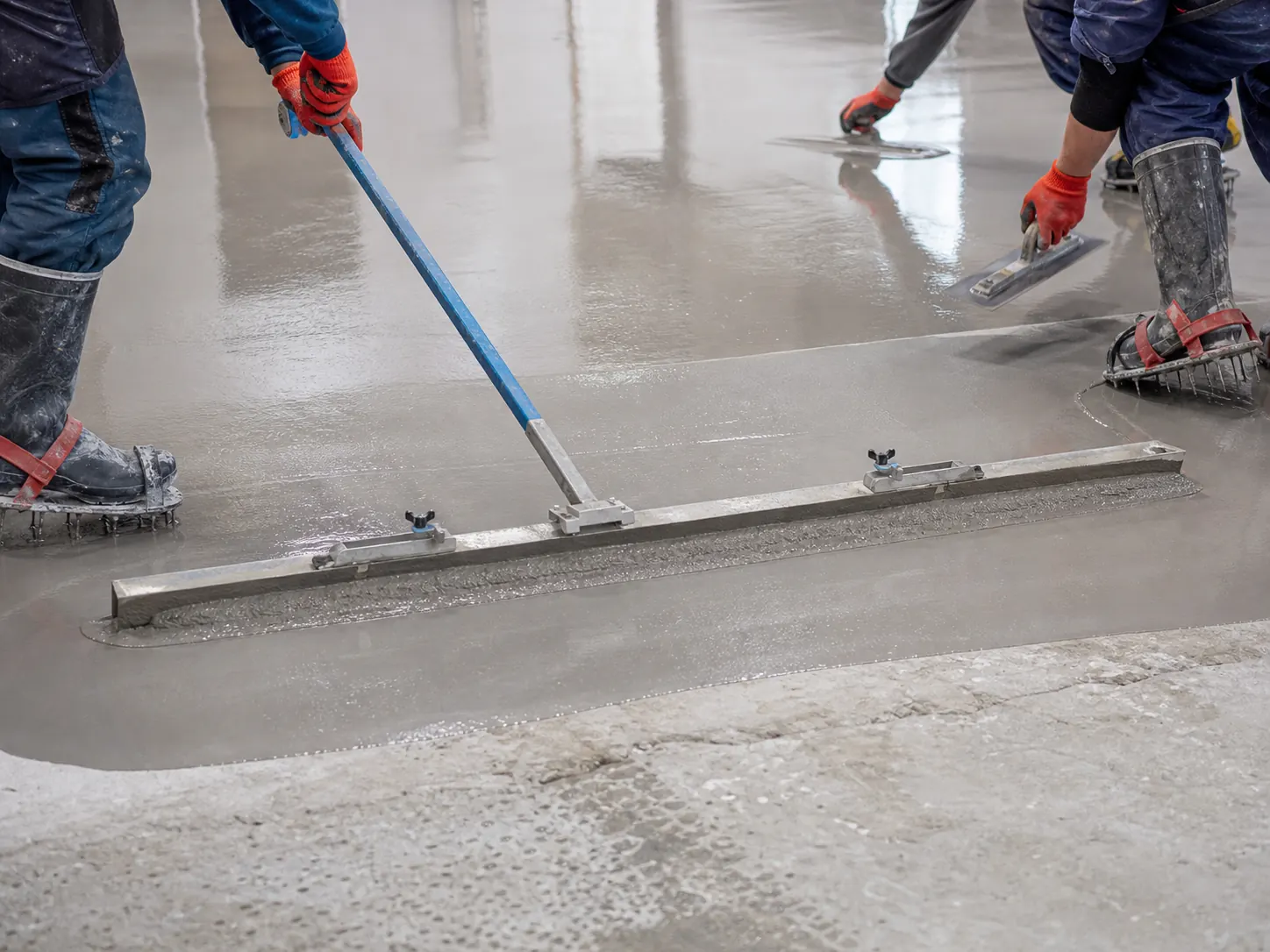
For specification and BOQ preparation, the important issue is not only the product name. The wall, floor, kerb, drainage and opening details must be described clearly enough for the installer and procurement team to understand the duty of the room.
Room duty
Identify whether the area is dry, wet, chilled, freezer, chemical-cleaned, food-contact support, loading, storage or general service use.
Junction detail
Specify the wall-floor junction, coved kerb, sealant, resin floor interface, drain edge and termination details so weak gaps are avoided.
Substrate and preparation
Confirm wall condition, flatness, moisture, previous coating, tile condition and any repairs needed before panel or kerb installation.
Impact zoning
Separate normal washable walls from trolley routes, pallet routes, door impact areas, loading edges and forklift-adjacent zones.
Openings and penetrations
Include doors, windows, pipe penetrations, wall boots, corners, trims, sealants and stainless protection where the wall envelope is interrupted.
Maintenance handover
Include cleaning method, joint inspection, sealant checks and repair kit planning so the system remains maintainable after handover.
Installation and Supply Process
1. Share project details
Send city, room type, drawings, BOQ, photos, wall height, kerb length, corners and expected traffic.
2. Review conditions
Substrate, moisture, cleaning chemicals, temperature, drainage, floor system and impact areas are checked.
3. Select products
FRP panels, kerbs, skirtings, doors, windows, wall boots, sealants, glues and accessories are matched to the use area.
4. Coordinate installation
Kerbs, wall panels, resin floors, drainage and openings should be sequenced to avoid weak joints.
5. Handover guidance
Cleaning, inspection, joint checking and maintenance notes help facility teams protect the system long term.
6. Future repairs
Repair kits, sealants, adhesives and compatible accessories can support maintenance planning.
Maintenance and Cleaning Guidance
A hygienic wall protection system performs best when cleaning and inspection routines are planned from the start. The correct routine depends on room use, cleaning chemical, water pressure, temperature and traffic.
Daily or routine cleaning
Use cleaning methods compatible with the selected panels, kerbs, sealants and flooring. Avoid harsh practices that attack joints or force water behind trims.
Joint inspection
Check sealants, corners, door edges, drain junctions, pipe boots and damaged impact zones before small gaps become larger repair issues.
Impact repair planning
Keep repair kits, compatible sealants and adhesive guidance available for high-traffic areas such as loading corridors and trolley routes.
Saudi Arabia City and Project Use
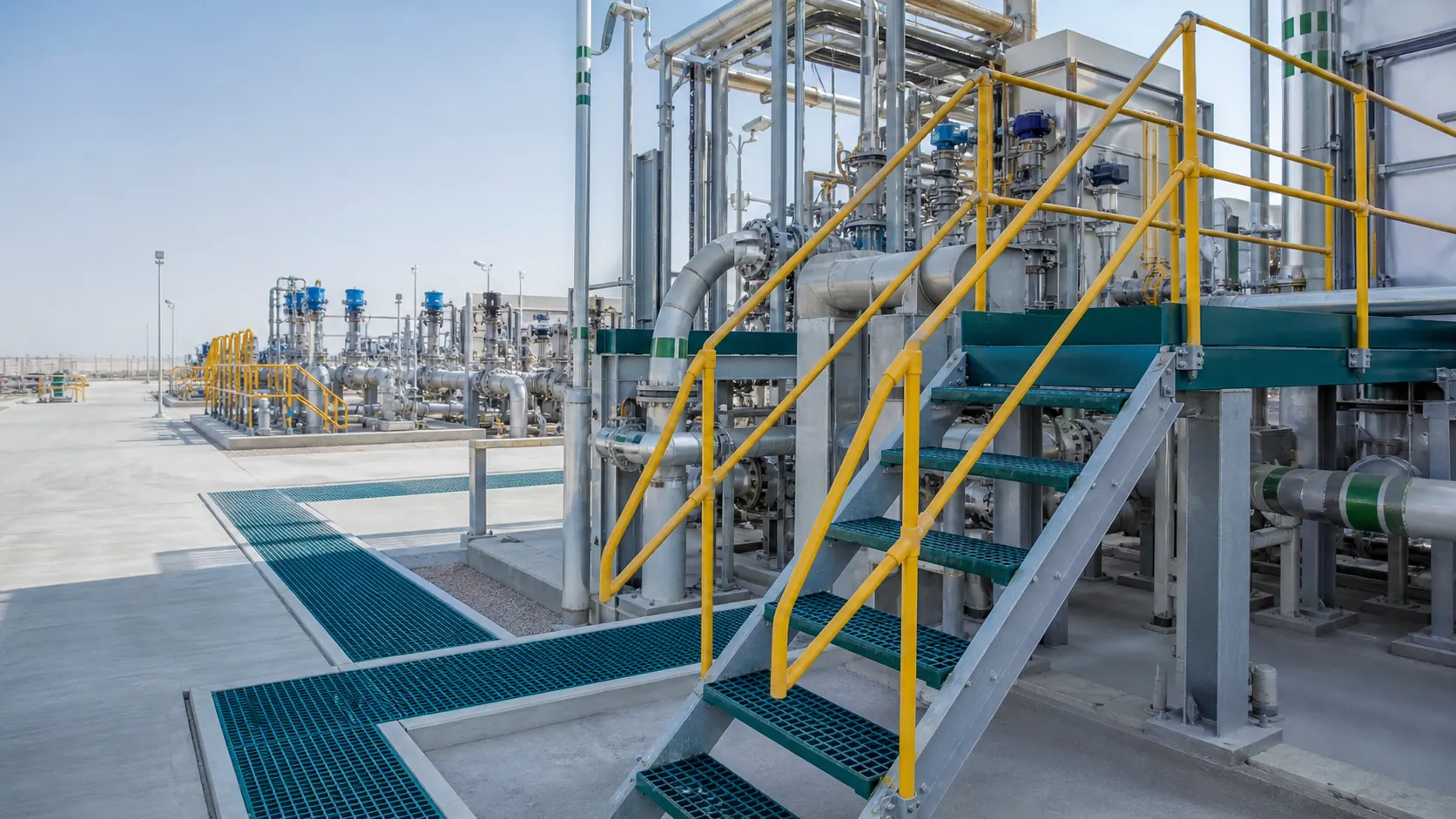
Saudi projects need local context because humidity, industrial traffic, food-service intensity, cleaning routines and construction schedules differ by city and facility type.
- Riyadh: central kitchens, warehouses, pharma support rooms, hospitals, commercial buildings and large industrial facilities.
- Jeddah: humid coastal conditions, food storage, commercial kitchens, hotels, wet rooms and renovation of older service areas.
- Dammam and Jubail: industrial plants, logistics areas, chemical/washdown spaces, loading corridors and heavy maintenance zones.
- Makkah and Madinah: hotel kitchens, laundries, hospital service rooms, food preparation areas and high-use facility corridors.
- Tabuk and other KSA cities: cold storage, construction support, factories, warehouses and project supply requirements.
Related SolidDrops Products and Services
Many hygienic wall projects also need matching flooring, waterproofing, chemical or safety support. SolidDrops can connect PolySto FRP and kerb inquiries with related project needs.
Epoxy and resin flooring
For factories, warehouses, kitchens, commercial spaces and hygienic rooms where the floor must coordinate with kerbs.
Food processing plant flooring
For washable, heavy-duty and food-grade flooring environments with wall protection needs.
Waterproofing systems
For roofs, tanks, wet areas, basements, concrete protection and water-exposed construction areas.
Industrial chemicals
Construction chemicals, sealants, repair materials, coatings and project supply items.
SolidDrops category hub
Flooring, waterproofing, sports flooring, FRP panels, chemicals, pigments, fire alarm systems and building materials.
Building material support
Project supply context for contractors, maintenance teams and procurement teams across Saudi Arabia.
Frequently Asked Questions
Are PolySto FRP sheets suitable for refurbishing existing tiled or painted walls?
They can be suitable for renovation when the existing wall is stable, clean, dry and properly prepared. Send photos and room details so SolidDrops can advise what should be checked before quotation.
Which kerb type should I use in high-care food production areas?
The correct kerb depends on traffic, impact level, cleaning method, floor system, corner details and hygiene risk. High-care areas usually need a stronger kerb and carefully sealed junctions.
How much do FRP kerbs and hygienic wall panels cost in Saudi Arabia?
Cost depends on kerb length, wall area, ceiling area, room use, substrate condition, impact level, city, accessories and installation details. Send drawings, photos and BOQ quantities for a practical quotation.
Are FRP panels better than ceramic tiles for food factories?
FRP panels can reduce grout-line maintenance and create a smoother washable surface. The better option depends on hygiene requirements, substrate, cleaning method, impact exposure and project specification.
Can PolySto FRP and kerb systems be used in cold rooms or deep-freeze areas?
Cold-room suitability depends on temperature, condensation, substrate, panel type, joint detail and cleaning conditions. Share the room temperature and use case before selection.
Do PolySto kerbs work with epoxy or PU flooring?
Yes, hygienic kerbs are commonly coordinated with resin flooring. The important point is sequencing and detailing the junction so wall protection, kerb and floor finish work together.
Can FRP panels and kerbs be installed during renovation?
Yes, renovation is possible when the existing surface is reviewed and prepared correctly. Damaged walls, loose tiles, moisture and uneven substrates should be addressed before installation.
What is the difference between FRP wall panels and stainless wall protection?
FRP panels are used for broad washable wall and ceiling coverage. Stainless steel protection is usually selected for high-impact corners, bollards, door edges, barriers and equipment movement zones.
What information should I send for a faster quotation?
Send city, project type, drawings or photos, BOQ, kerb length, wall area, ceiling area, number of corners, doors, windows, pipe penetrations, expected traffic and cleaning method.
Does SolidDrops cover Riyadh, Jeddah, Dammam and Jubail?
Yes. SolidDrops supports inquiries across Saudi Arabia, including Riyadh, Jeddah, Dammam, Jubail, Makkah, Madinah and Tabuk.
Can SolidDrops support both wall protection and flooring?
Yes. SolidDrops can connect FRP wall protection and kerb inquiries with epoxy flooring, PU flooring, waterproofing, chemicals, pigments and related building material supply where relevant.
How should facility teams maintain hygienic kerbs after handover?
Use compatible cleaning methods, inspect joints and sealants, repair impact damage early and check corners, drains, door edges and pipe penetrations during routine maintenance.
Send Your PolySto FRP Kerbs Inquiry
For a practical recommendation, send drawings, BOQ, city, room use, photos, quantities and expected traffic. SolidDrops will help align the FRP panels, kerbs, wall protection and related flooring, waterproofing or construction material needs.
Specification and Source Check
For PolySto FRP kerbs, CleanRock kerbs and hygienic wall protection in Saudi Arabia, SolidDrops recommends confirming current project specifications, approved drawings, manufacturer datasheets, SDS/TDS documents, authority requirements and BOQ details before procurement or installation. These public references help consultants and buyers verify terminology, compliance context and performance questions during selection.
 Chat Online