
Antimicrobial Flooring in Saudi Arabia
Professional antimicrobial epoxy, PU cement and hygienic resin flooring systems for hospitals, clinics, food plants, laboratories, commercial kitchens, schools and clean industrial spaces across Saudi Arabia.
Call +966 50 213 1112 Email SolidDrops Request flooring guidanceDirect answer
What is antimicrobial flooring?
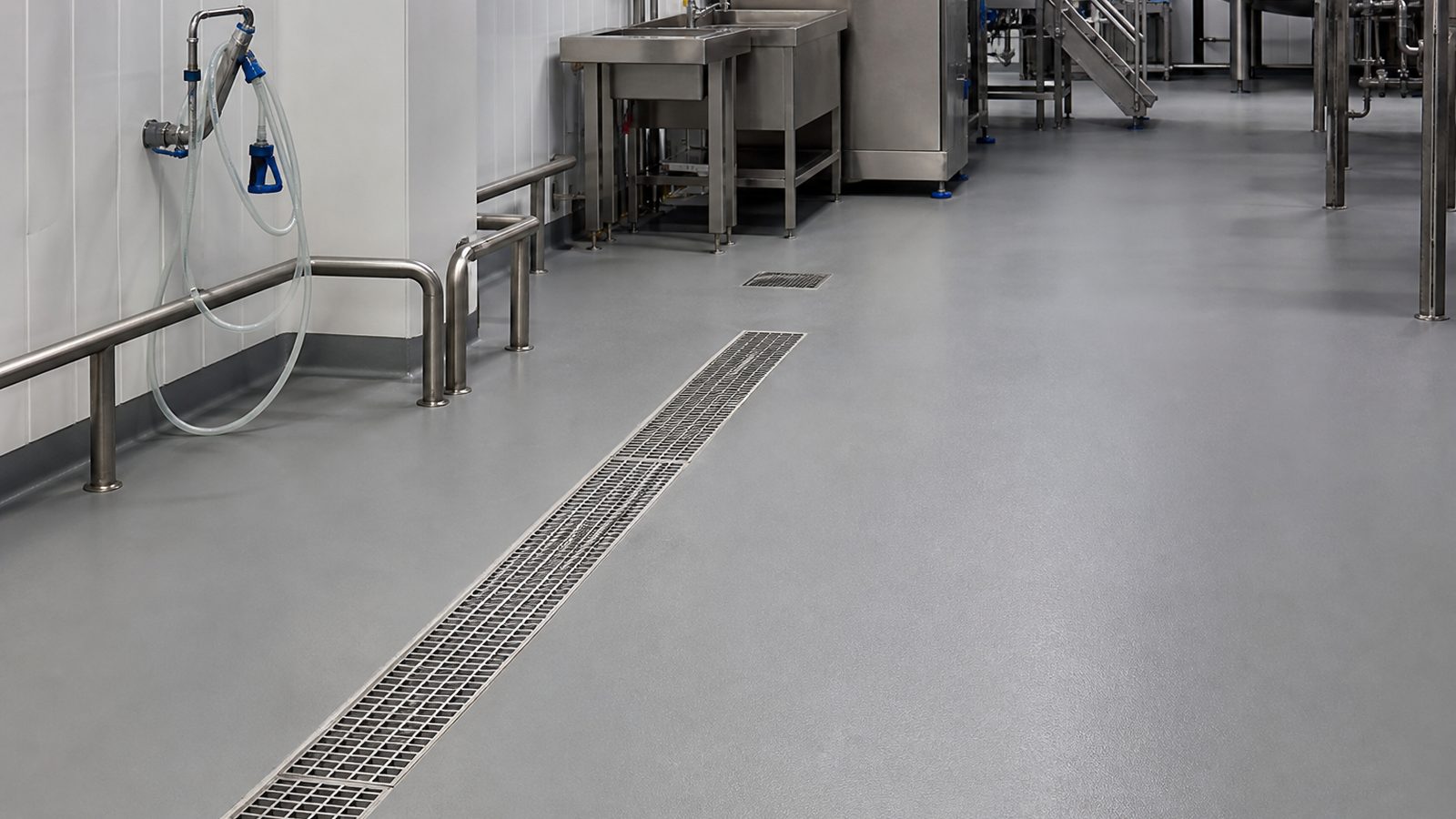
Antimicrobial flooring is a seamless, cleanable floor system designed to help resist microbial growth on the floor surface. In practical projects, this usually means a resin floor such as epoxy, polyurethane or PU cement with a non-porous finish, correct coving, slip profile and optional antimicrobial additives where the environment requires them.
It is not a replacement for cleaning, disinfection or facility hygiene procedures. The value is that the floor is easier to wash down, less likely to trap contamination in joints, and better suited for high-cleanliness environments than porous concrete, cracked tiles or poorly detailed vinyl edges.
Best applications
Where antimicrobial and hygienic flooring is used
Healthcare and clinics
Hospital corridors, patient areas, laboratories, pharmacies, treatment rooms and back-of-house service areas where cleanability and low-maintenance surfaces matter.
Food and beverage plants
Wet production zones, packaging areas, cold rooms, industrial kitchens, bakeries, dairy areas and facilities with washdown cleaning or floor drains.
Pharmaceutical and labs
Clean support areas, storage rooms, production-adjacent spaces and technical rooms that need seamless floors with chemical and stain resistance.
Schools and public facilities
Cafeterias, toilets, multipurpose areas, nurseries, gym support rooms and high-traffic corridors that must be easy to clean.
Commercial kitchens
Slip-resistant, sealed flooring for cooking, preparation, dishwashing and service corridors where water, oils and cleaning agents are common.
Industrial hygiene zones
Warehouses, workshops and maintenance rooms that need durability with practical hygiene, dust control and chemical resistance.
System selection
How SolidDrops selects the right floor system
The correct antimicrobial flooring specification depends on the facility conditions, not only the word "antimicrobial." SolidDrops reviews the substrate, cleaning method, moisture, drainage, traffic, chemical exposure, temperature, slip needs and downtime window before recommending a system.
- Epoxy resin flooring for seamless, durable, easy-clean areas with good chemical and abrasion resistance.
- PU cement or Ucrete-type flooring for demanding food, beverage, wet process and thermal-shock areas.
- Polyurethane topcoats where UV stability, scratch resistance or color retention is a priority.
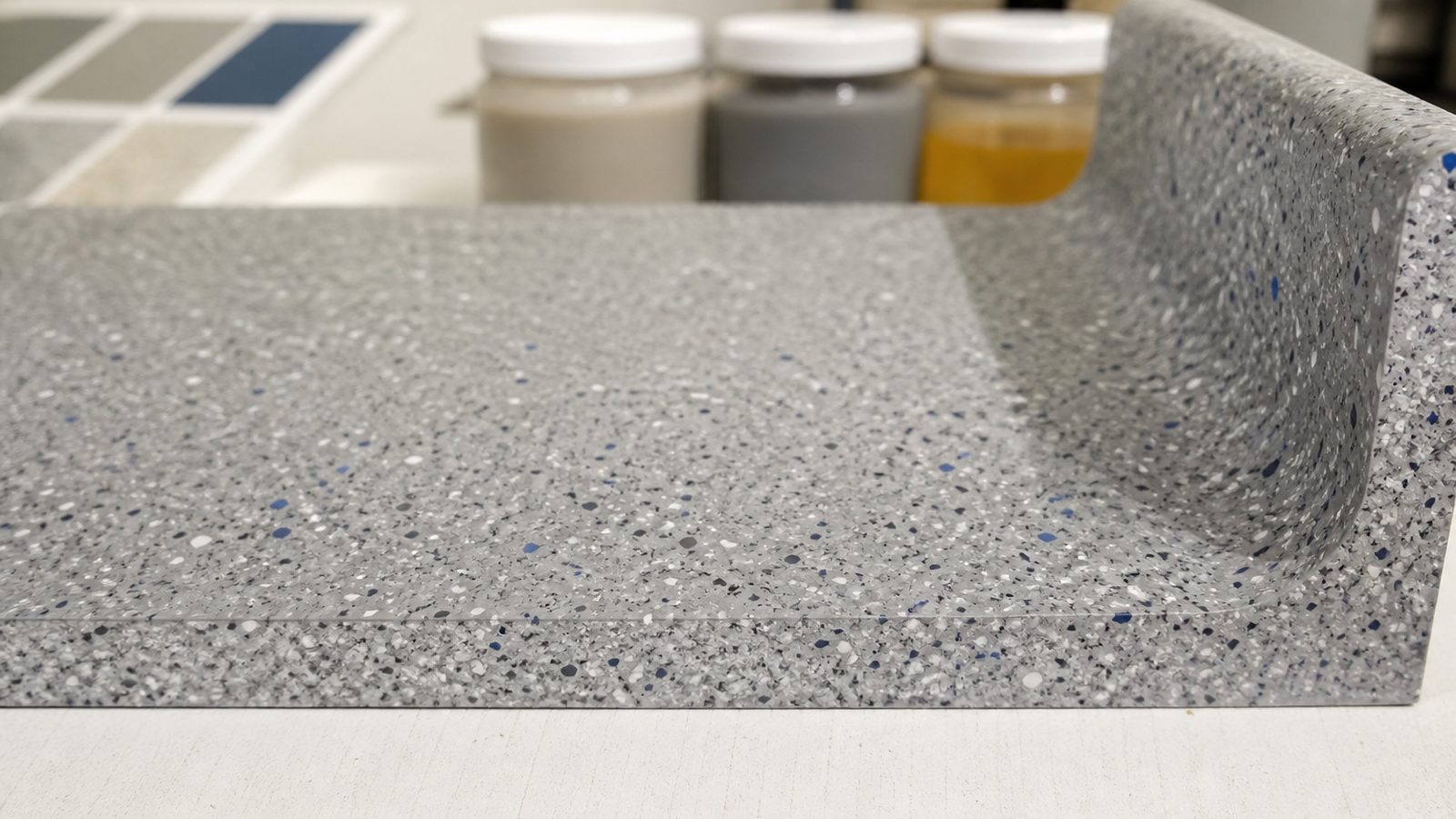
- Integral cove base to improve the floor-to-wall junction and reduce dirt traps.
- Slip-resistant texture matched to water, oil, traffic and cleaning safety requirements.
| Project condition | Typical flooring direction |
|---|---|
| Hospital corridor or clinic | Decorative epoxy or PU resin with cleanable finish and cove option. |
| Food factory washdown area | PU cement flooring with drainage, coving and thermal/chemical resistance. |
| Laboratory or pharmacy support area | Seamless epoxy or PU system selected for chemical resistance and cleanability. |
| Commercial kitchen | Slip-resistant resin flooring with coved skirting and careful drain detailing. |
| Warehouse hygiene improvement | Durable epoxy floor coating for dust control, traffic resistance and easier cleaning. |
Installation process
Professional installation steps
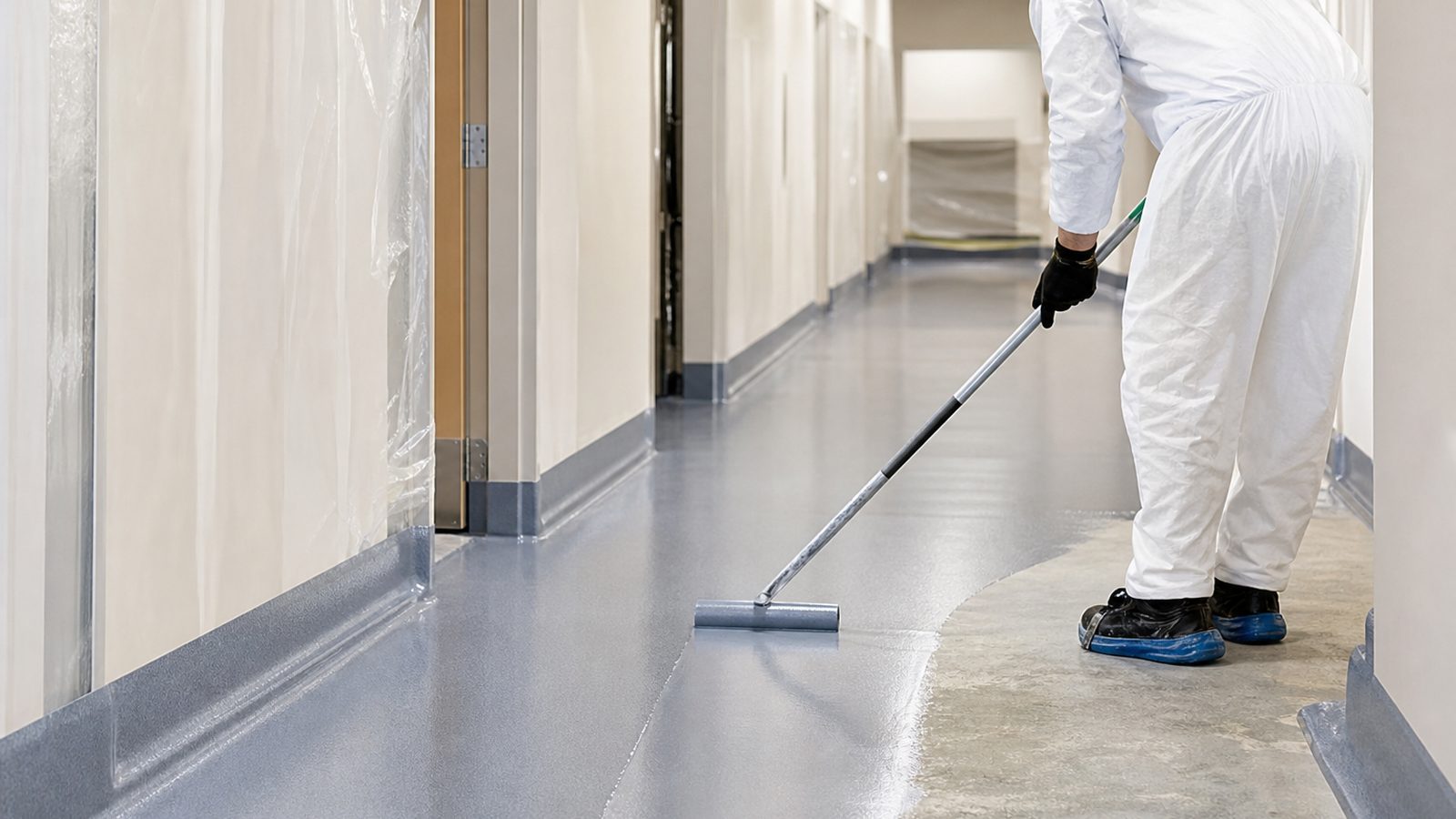
Site survey and substrate check
Review concrete condition, moisture risk, cracks, existing coatings, drains, walls and operating constraints.
System recommendation
Select epoxy, PU cement, polyurethane or hybrid build-up based on hygiene, traffic, chemical and slip requirements.
Surface preparation
Prepare concrete mechanically, repair defects, open the surface profile and treat joints or weak zones where required.
Primer, body coat and coving
Apply the specified system, including cove base, broadcast texture, drain detailing and topcoat as needed.
Handover and maintenance guidance
Confirm cure condition, cleaning method, chemical compatibility and practical care instructions for the facility team.
Performance details
What makes a hygiene floor work long term?
A professional antimicrobial or hygienic floor is a complete detail, not a single coating layer. The floor needs correct concrete preparation, sealed joints, compatible cleaning chemicals, good drainage, suitable slope and the right slip profile for the operating environment.
- Non-porous and seamless finish for easier cleaning.
- Integral cove base to reduce dirt traps at walls.
- Resistance to stains, oils, detergents and site-specific chemicals.
- Slip profile selected for dry, wet or oily conditions.
- Durable build-up for trolleys, forklifts, medical carts or production traffic.
- Maintenance plan that supports hygiene without damaging the coating.
Saudi Arabia coverage
Antimicrobial flooring contractor support across KSA
SolidDrops supports flooring and related building-material requirements across Saudi Arabia, including Jeddah, Riyadh, Dammam, Jubail, Makkah, Madinah, Tabuk and surrounding industrial zones. We help owners, consultants, contractors, facility managers, procurement teams and project engineers choose a practical floor system for the real operating conditions.
For consultantsClarify performance requirements, details and specification direction for hygienic flooring systems.
For contractorsSupport material selection, method considerations and practical installation planning.
For facility teamsReview cleaning pain points, repair needs, downtime limits and upgrade options for active buildings.
Related SolidDrops solutions
Useful internal links for project teams
Epoxy flooring Ucrete / PU cement flooring Polyurethane resin flooring Food grade epoxy flooring Anti-static epoxy flooring Vinyl flooring for hospitals and schools Waterproofing solutions Sports flooring FRP kerbs and panels Chemicals trading Pigments supplier Fire alarm systemsFAQ
Questions buyers ask before choosing antimicrobial flooring
Does antimicrobial flooring remove the need for cleaning?
No. Cleaning and disinfection remain essential. The flooring helps by providing a seamless, non-porous and easier-to-clean surface that can be specified with antimicrobial additives where suitable.
Which is better for food factories: epoxy or PU cement?
For dry or moderate-duty spaces, epoxy may be suitable. For wet processing, thermal shock, hot washdown, organic acids or heavy service, PU cement or Ucrete-type flooring is often the stronger direction.
Can this flooring be installed in an active hospital or clinic?
Yes, but the work must be planned around access, dust control, odor sensitivity, curing time and phased handover. SolidDrops can help review the site constraints before selecting the system.
What affects the cost of antimicrobial flooring in Saudi Arabia?
Cost depends on area size, substrate condition, required thickness, coving, drains, repairs, slip texture, chemical resistance, finish type, access and downtime requirements. A site review gives the most reliable quotation.
Is antimicrobial resin flooring suitable for kitchens and wet areas?
Yes, when the system includes the right slip profile, drainage details, cove base and chemical resistance for cleaning agents, oils and hot water exposure.
Can SolidDrops support Riyadh, Jeddah and Dammam projects?
Yes. SolidDrops supports flooring and related solutions across Saudi Arabia, including Riyadh, Jeddah, Dammam, Jubail, Makkah, Madinah and Tabuk.
How long does installation take?
The schedule depends on surface preparation, system build-up, area size, repairs, temperature, cure time and whether the work is phased. SolidDrops can estimate timing after reviewing the site and usage requirements.
How do I request a recommendation?
Send the location, area size, current substrate, photos, cleaning method, traffic type and operating conditions to [email protected] or call +966 50 213 1112.
Need a hygienic floor specification or quotation?
Share your facility type, city, area, substrate condition, cleaning method and traffic requirements. SolidDrops will help you narrow the flooring system before pricing or procurement.
Call SolidDrops Send project details Chat Online