
Synergy Firessense · LPCB approved direct low-pressure system
Electrical Panel Fire Suppression System in Saudi Arabia
A self-actuating clean-agent system that lives inside the cabinet it protects. The detection tube senses heat at the source and discharges FK-5-1-12 or HFC-227ea directly onto the fire, with no power, no wiring and no electronics to fail. SolidDrops supplies and installs Firessense across the Kingdom.
- LPCB approved
- LPS 1666 certified
- FK-5-1-12 / HFC-227ea
- No external power
- −20 °C to +60 °C
In brief
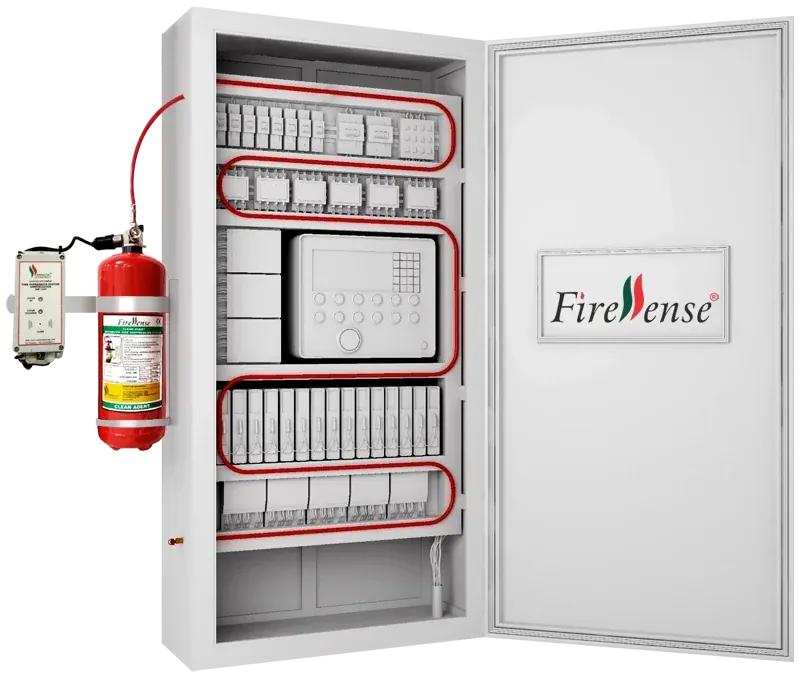
Synergy Firessense is an LPCB-approved electrical panel fire suppression system of the direct low-pressure type, used for switchgear, server racks, UPS units and generator enclosures in Saudi Arabia. A pressurised detection tube runs through the cabinet; when it reaches the fire’s heat it bursts and releases FK-5-1-12 or HFC-227ea clean agent at that exact point. It needs no external power. SolidDrops supplies and installs it.
Key facts
The system in four numbers
Overview
What a direct low-pressure fire suppression system is
A direct low-pressure fire suppression system is a pre-engineered clean-agent system in which a heat-sensitive pressurised tube acts as both the fire detector and the discharge nozzle, releasing agent at the point where the tube ruptures.
Electrical fires start small and start hidden: a loose termination, a failing contactor, an overloaded busbar inside a closed panel. By the time smoke reaches a room detector on the ceiling the cabinet is already burning, and a room-flooding system then has to fill the whole space to reach a fire the size of a shoebox. Firessense puts the detection and the agent inside the enclosure, so it acts on the fire minutes earlier and uses a fraction of the agent.
Because the system has no electronics or moving parts in the detection path and needs no external power, it stays armed through a mains failure, which is exactly when a panel fire is most likely. The pre-engineered concept also removes most of the engineering effort from each application: choose the cylinder, route the tube, mount the bracket. For Saudi projects the most relevant of the manufacturer’s listed applications are data rooms, telecom shelters, generator sets, MV and LV switchgear and CNC shops.
Two clean agents, same hardware
Firessense is supplied with either FK-5-1-12 or HFC-227ea. Both are clean agents under NFPA 2001, both are LPS 1666 certified in this system, and as clean agents they leave no residue on the equipment they protect. The choice comes down to the client’s specification and environmental policy; SolidDrops confirms the option at quotation stage.
Operation
How Firessense detects and suppresses a cabinet fire
-
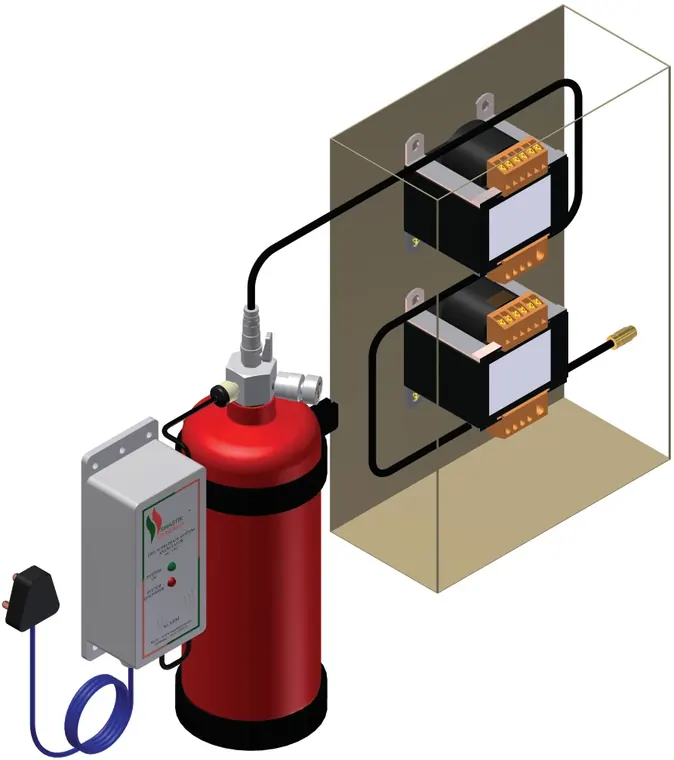
Tube is routed
The pressurised fire detection tube is run through the enclosure past the components most likely to fault, terminated with an end-of-line plug or Schrader valve.
-
Heat reaches the tube
Fire inside the cabinet heats the section of tube closest to it. Because the tube is inside the enclosure, this happens far sooner than a room detector would respond.
-
Tube bursts
The tube ruptures at the hottest point. In a direct system this rupture point becomes the discharge nozzle, so agent is delivered to the fire and not to the rest of the room.
-
Agent discharges
The cylinder valve releases the FK-5-1-12 or HFC-227ea charge through the tube. Discharge is non-toxic and leaves no residue on the equipment.
-
Alarm is raised
The pressure switch on the valve senses the drop in pressure and signals the monitoring panel, which can be wired to the site’s fire alarm or BMS.
Self-actuated by design. Detection and discharge are purely pneumatic. The monitoring panel and pressure switch report what happened; they are not needed for the system to act.
System components
Pre-fabricated components, matched by the manufacturer
Cylinder
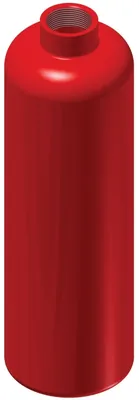
1, 2 or 4 kg agent charge; 15 bar at 21 °C
Cylinder valve
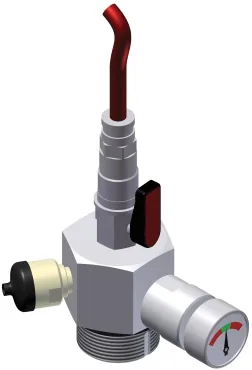
Releases the charge into the detection tube on pressure loss
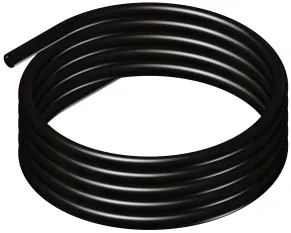
Fire detection tube
Heat-sensitive pressurised tube; detector and nozzle in one
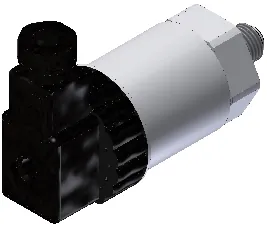
Pressure switch
Senses discharge and signals the monitoring panel
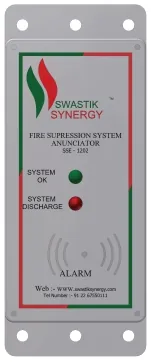
Monitoring panel
System-on and discharge indication; alarm output
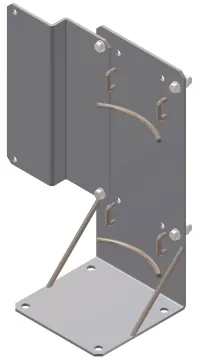
Mounting bracket
Secures the cylinder inside or beside the enclosure
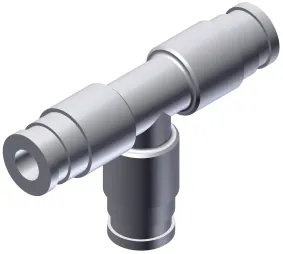
Tee & in-line connectors
Branch and extend the tube through multi-compartment panels
End-of-line plug / Schrader valve
Terminates the tube; Schrader valve allows pressure checks
Technical specifications
Agent properties and cylinder data
| Property | FK-5-1-12 | HFC-227ea |
|---|---|---|
| Standard | NFPA 2001, Clean Agent Fire Extinguishing Systems; LPS 1666 certified | NFPA 2001, Clean Agent Fire Extinguishing Systems; LPS 1666 certified |
| Operating pressure | 15 bar at 21 °C | 15 bar at 21 °C |
| Temperature rating | −20 °C to +60 °C | −20 °C to +60 °C |
| Residue | None; non-toxic on discharge | None; non-toxic on discharge |
| Nominal | Part no. | Ø mm | Height mm | Volume L | Agent kg |
|---|---|---|---|---|---|
| 1 | SSE-CY-111001-1 | 85 | 255 | 1.2 | 1 |
| 2 | SSE-CY-111001-2 | 110 | 300 | 2.3 | 2 |
| 4 | SSE-CY-111001-4 | 140 | 400 | 5.2 | 4 |
System design is based on NFPA, LPS 1666 and NBC 2016. Source: Swastik Synergy Firessense brochure. Cylinder selection for a given enclosure is confirmed by SolidDrops against the manufacturer’s design data.
Applications
Where Firessense is installed
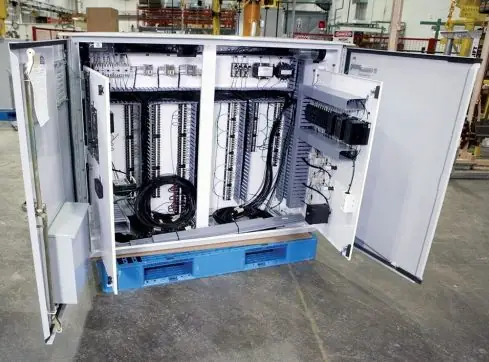
The manufacturer lists ten enclosure types. For Saudi projects the ones that come up most are switchgear and control panels, data and telecom cabinets, UPS rooms, and the generator and transformer enclosures that so many sites depend on for standby or prime power.
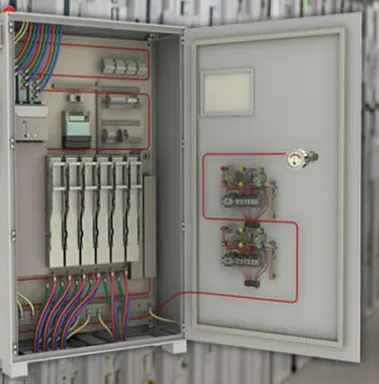
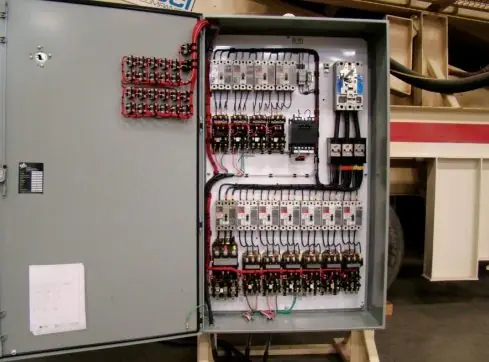 Electrical & electronic cabinets
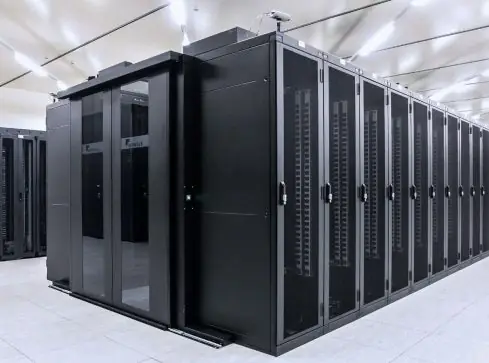 Data processing areas & cabinets
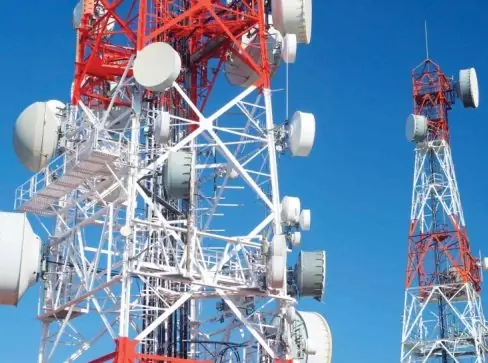 Telecommunication areas
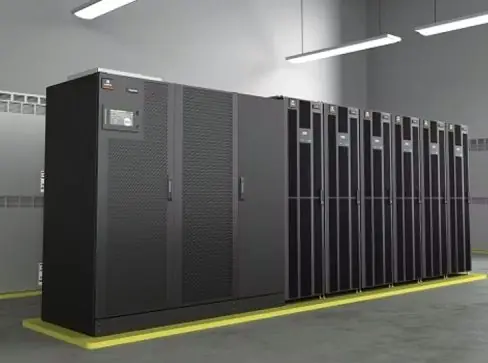 UPS units
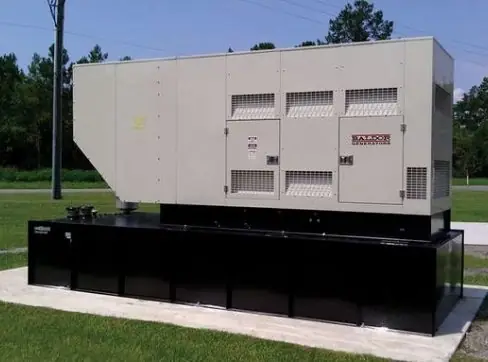 Generator enclosures
 Transformer cabinets
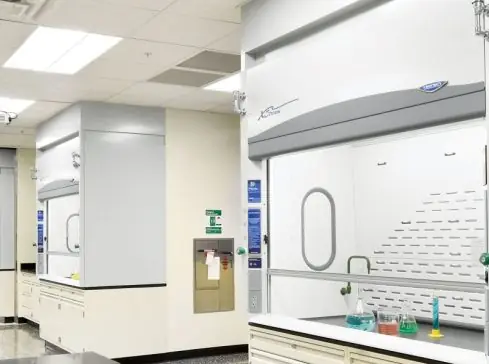 Laboratory fume / exhaust cabinets
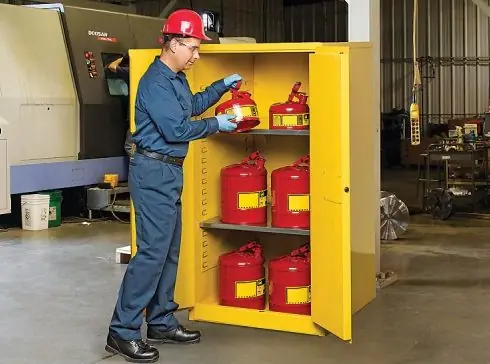 Flammable chemical storage cabinets
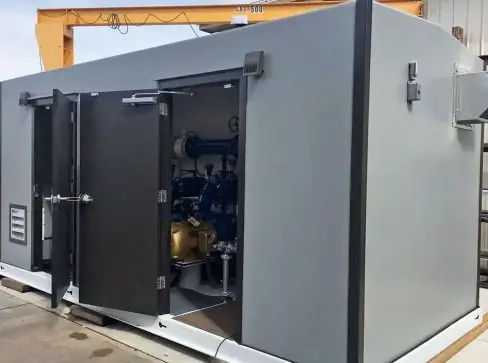 Pump enclosures
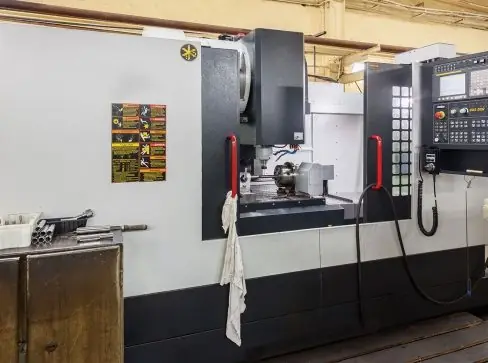 CNC & VMC machining centres
What to send for a quotation
- Number of panels or enclosures to protect
- Internal dimensions of each enclosure (W × H × D)
- Whether the enclosure is single- or multi-compartment
- Photos with the door open, showing the layout
- Ambient conditions: indoor plant room, outdoor kiosk, container
- Agent preference (FK-5-1-12 or HFC-227ea) if specified
- Whether a signal to the fire alarm panel or BMS is required
Saudi site conditions & process
From enclosure survey to commissioning
The −20 °C to +60 °C rating matters more here than in most markets. Outdoor telecom shelters, roadside kiosks and containerised generator sets in the Eastern Province and the Riyadh region routinely sit above 45 °C in summer, and enclosure interiors run hotter still. We check the actual internal ambient before confirming the installation, and we route the tube away from normal heat sources such as heaters and drive resistors so that heat from a real fault, not from normal operation, is what triggers it.
- Enclosure survey. Internal volume, compartments, component layout and door sealing are recorded, with photos.
- System selection. Cylinder size, agent and tube routing are chosen from the manufacturer’s pre-engineered data. Multi-compartment panels get tee and in-line connectors.
- Supply. The cylinder ships charged, with valve, bracket, tube, connectors, end-of-line fittings, pressure switch and monitoring panel.
- Installation. Bracket and cylinder are fixed, the tube is routed and terminated, and the pressure switch is wired to the monitoring panel and, where required, to the site alarm.
- Commissioning. Pressure is verified at the Schrader valve, indication is tested and the handover record is issued for the client and the approving authority.
Because the system is self-contained, there is no shutdown of the protected panel during installation beyond what the site’s own permit-to-work requires.
Selection guidance
Firessense versus room flooding and wet-chemical systems
| Question | Firessense direct low-pressure | Room-flooding clean agent | Kitchen wet-chemical |
|---|---|---|---|
| Protects | The inside of one enclosure or panel | An entire room volume | Cooking appliances, hood plenum, exhaust duct |
| Detection | Heat-sensitive tube inside the enclosure | Room smoke/heat detectors and control panel | Fusible links over the appliances |
| Power needed to act | None | Yes, panel and batteries | None (mechanical) |
| Agent quantity | 1–4 kg per cylinder | Sized to the room, typically far larger | 9–30 L wet chemical |
| Best for | Switchgear, server racks, UPS, generators, CNC | Data halls, archives, control rooms as a whole | Commercial kitchens |
| SolidDrops page | This page | Fire suppression overview | Kitchen fire suppression system |
Frequently asked questions
Electrical panel fire suppression system FAQs
What is a direct low-pressure fire suppression system?
A direct low-pressure system is a pre-engineered clean-agent system in which a pressurised heat-sensitive tube acts as both detector and discharge nozzle. When fire heats the tube it bursts at that point and the cylinder discharges agent through the opening directly onto the fire. Firessense operates at 15 bar at 21 °C and is LPCB approved to LPS 1666.
Does Firessense need electricity to work?
No. Detection and extinguishing are self-actuated and need no external power supply. The tube senses heat and releases the agent pneumatically. The pressure switch and monitoring panel provide indication and an alarm output, but the system discharges whether or not they are powered, which is why the manufacturer describes it as 24-hour protection.
Which agent should I choose, FK-5-1-12 or HFC-227ea?
Both are clean agents under NFPA 2001, both are LPS 1666 certified in Firessense, both operate at 15 bar and across the same −20 °C to +60 °C range, and both leave no residue. The choice is usually set by the project specification or the client’s environmental policy. If the specification is silent, tell us and we will explain the difference at quotation stage.
How big an electrical panel can one cylinder protect?
Firessense is pre-engineered with 1 kg, 2 kg and 4 kg cylinders (1.2, 2.3 and 5.2 litre internal volume). The cylinder is matched to the enclosure’s internal volume and layout using the manufacturer’s design data. Send the internal dimensions and a photo of each panel and SolidDrops confirms the cylinder size and tube routing for you.
Can it be installed in an outdoor kiosk or generator container in Saudi heat?
The system is rated for −20 °C to +60 °C. Generator enclosures and transformer cabinets are listed applications. We check the internal ambient of outdoor enclosures before confirming the installation and route the tube away from normal operating heat sources so that only fault heat triggers it.
Is the discharge safe for people and for the equipment?
The agent does not release toxic vapours on discharge and the manufacturer describes the system as suitable for normally occupied premises. Both FK-5-1-12 and HFC-227ea are clean agents that leave no residue, so switchgear and electronics are not damaged by the discharge itself.
Will the system connect to my fire alarm panel?
Yes. The pressure switch senses the discharge and signals the Firessense monitoring panel, which provides an output that can be wired to the site fire alarm control panel or BMS. SolidDrops also supplies addressable fire alarm systems if the site needs one.
Which cities does SolidDrops cover for Firessense installation?
SolidDrops supplies and installs Firessense across Saudi Arabia, including Jeddah, Riyadh, Dammam, Khobar, Jubail, Makkah, Madinah and Tabuk. Multi-site rollouts for telecom, retail and utility clients are coordinated from our Jeddah office.
Request a quotation
Tell us about the panel, we’ll size the system
Send the enclosure dimensions and a photo with the door open. A SolidDrops engineer reviewing an electrical panel fire suppression system enquiry selects the cylinder and tube routing from the Firessense design data and replies with a quotation. حياكم الله — we work in English and Arabic.
- +966 50 213 1112 (24/7)
- WhatsApp SolidDrops
- [email protected]
- Jeddah, Saudi Arabia · serving the Kingdom
Electrical panel fire suppression enquiry
Fields marked * are required. Attach panel photos or a schedule if you have them.
 Chat Online