
SolidDrops Saudi Arabia
Food Processing Plant Flooring in Saudi Arabia
SolidDrops helps food factories, commercial kitchens, cold rooms and processing facilities in KSA select cleanable flooring, PU cement, epoxy, coving, stainless drain details and repair routes from one practical inquiry.
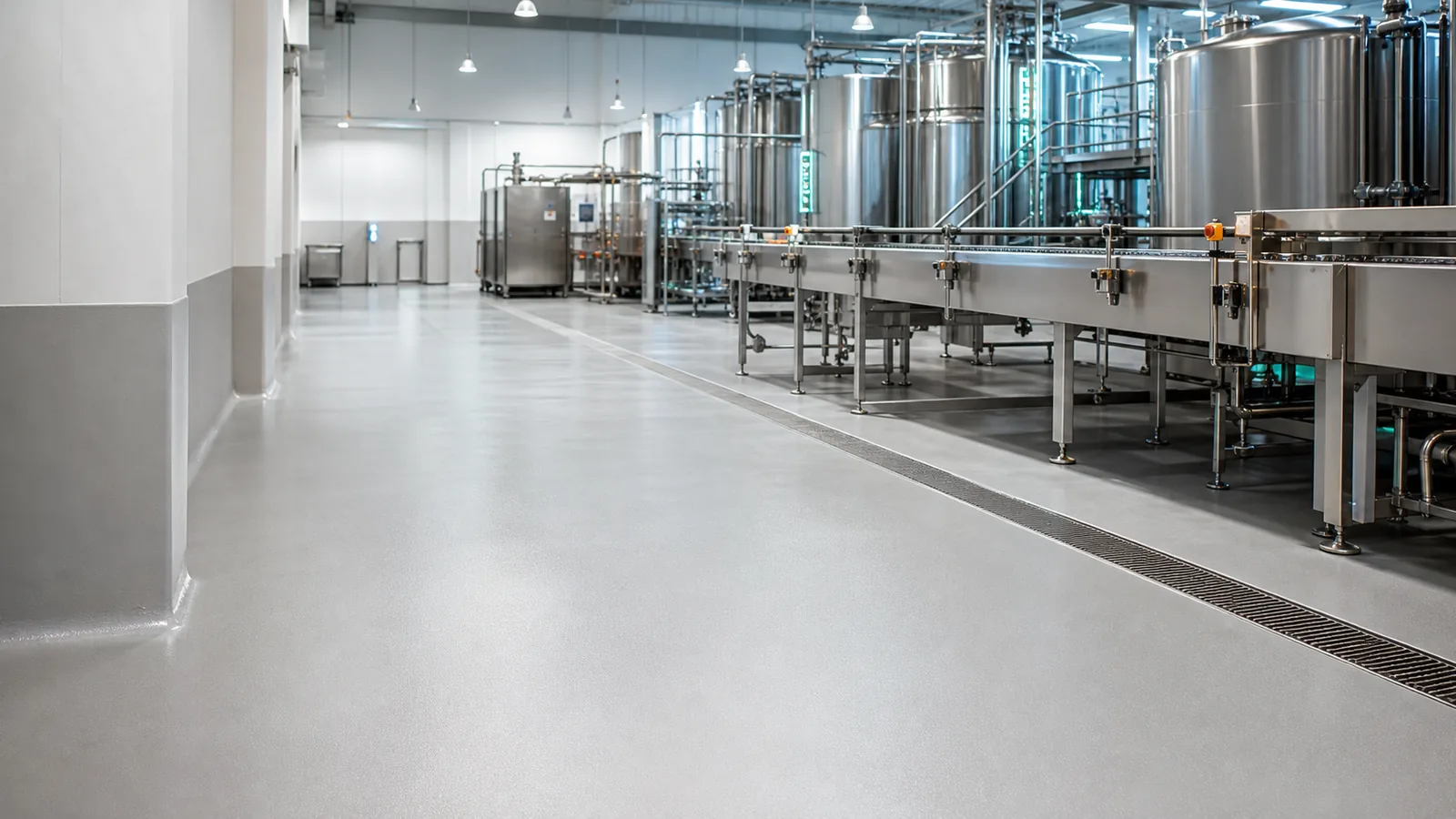
Direct consultant answer
What this page solves for food facility buyers
Food processing flooring must handle hygiene, thermal shock, wet cleaning, oils, acids, forklift traffic, slip risk, coves, drains and shutdown timing. SolidDrops supports the project by mapping each room to the correct product family instead of forcing every area into the same epoxy coating.
This page is built for owners, consultants, contractors, facility managers and procurement teams who need clear project guidance for food-grade epoxy, PU cement, coved skirting, stainless drains, cold rooms, washdown areas and old floor resurfacing across Saudi Arabia.
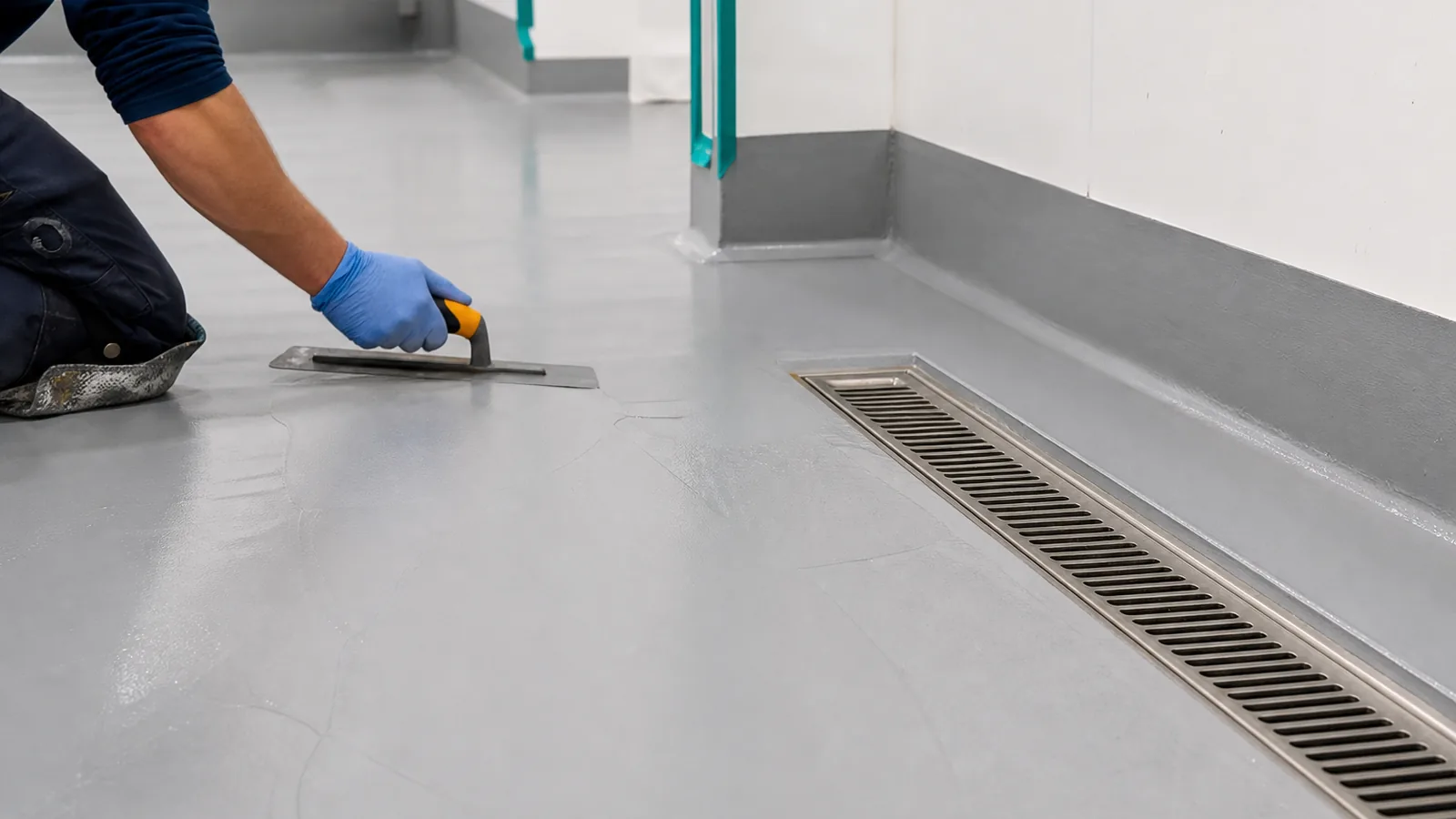
Specification-ready summary
What should be decided before selecting epoxy or PU cement
A strong food facility flooring specification starts with exposure, cleaning, drainage, traffic and repair scope. The material name comes after the room risk is clear.
Hygiene and cleanability
Plan seamless resin, controlled joints, coved wall bases, cleanable corners and drain edges before material selection.
Thermal and chemical exposure
Separate hot washdown, steam, oils, acids, sugars, salts and cleaning chemical exposure from ordinary dry production areas.
Substrate and repair scope
Check slab moisture, weak concrete, oil contamination, cracks, hollow areas, existing coatings, slopes and threshold damage.
Operation and shutdown
Confirm return-to-service timing, room access, cure window, traffic reopening, cleaning method and future repair access.
Safety and movement
Balance anti-slip texture with trolley movement, forklift traffic, worker comfort and how the floor will actually be cleaned.
Consultant documentation
Organize room schedule, system route, thickness, texture, coving, drains, repair items and handover notes for BOQ comparison.
Applications and using areas
Room-by-room flooring selection matrix
Use this matrix to avoid under-specifying wet rooms or over-specifying dry rooms. Final selection still depends on site inspection and product compatibility.
| Using area | Likely system route | Details to confirm |
|---|---|---|
| Wet processing and washdown rooms | PU cement, polyurethane screed or urethane mortar with slip texture | hot water, cleaning chemicals, drain layout, cove height and shutdown window |
| Dry packaging and production | food-grade epoxy, self-leveling epoxy or textured epoxy | traffic load, dust control, cleanability, line marking and slab condition |
| Cold rooms and freezer thresholds | PU cement or thermal-shock resistant resin mortar | temperature change, condensation, forklift traffic and door threshold details |
| Commercial kitchens and bakeries | PU cement, textured epoxy, FRP wall panels and wet-area waterproofing | oils, hot washdown, floor falls, stainless drains and wall junctions |
| Chemical stores and utility rooms | chemical-resistant epoxy or lining system with bund details | chemical list, spill duration, containment, ventilation and substrate repair |
| Receiving, loading and warehouses | industrial epoxy, epoxy mortar repair, line marking and joint treatment | forklift type, pallet traffic, abrasion, impact zones and cleaning method |
Food-flooring systems
Food processing flooring systems for real project decisions
This section stays inside the food processing flooring topic: floors, coves, drains, wet rooms, cold rooms, repair layers, anti-slip texture and hygienic wall junctions.
Food-grade epoxy flooring
Dry production, packaging, food warehouses, corridors, light-to-medium processing rooms and areas where smooth cleanability matters more than thermal shock resistance.
- food-grade epoxy flooring
- self-leveling epoxy
- solid epoxy floor coating
- epoxy screed mortar
- epoxy grout
- anti-static ESD epoxy
- chemical-resistant flooring
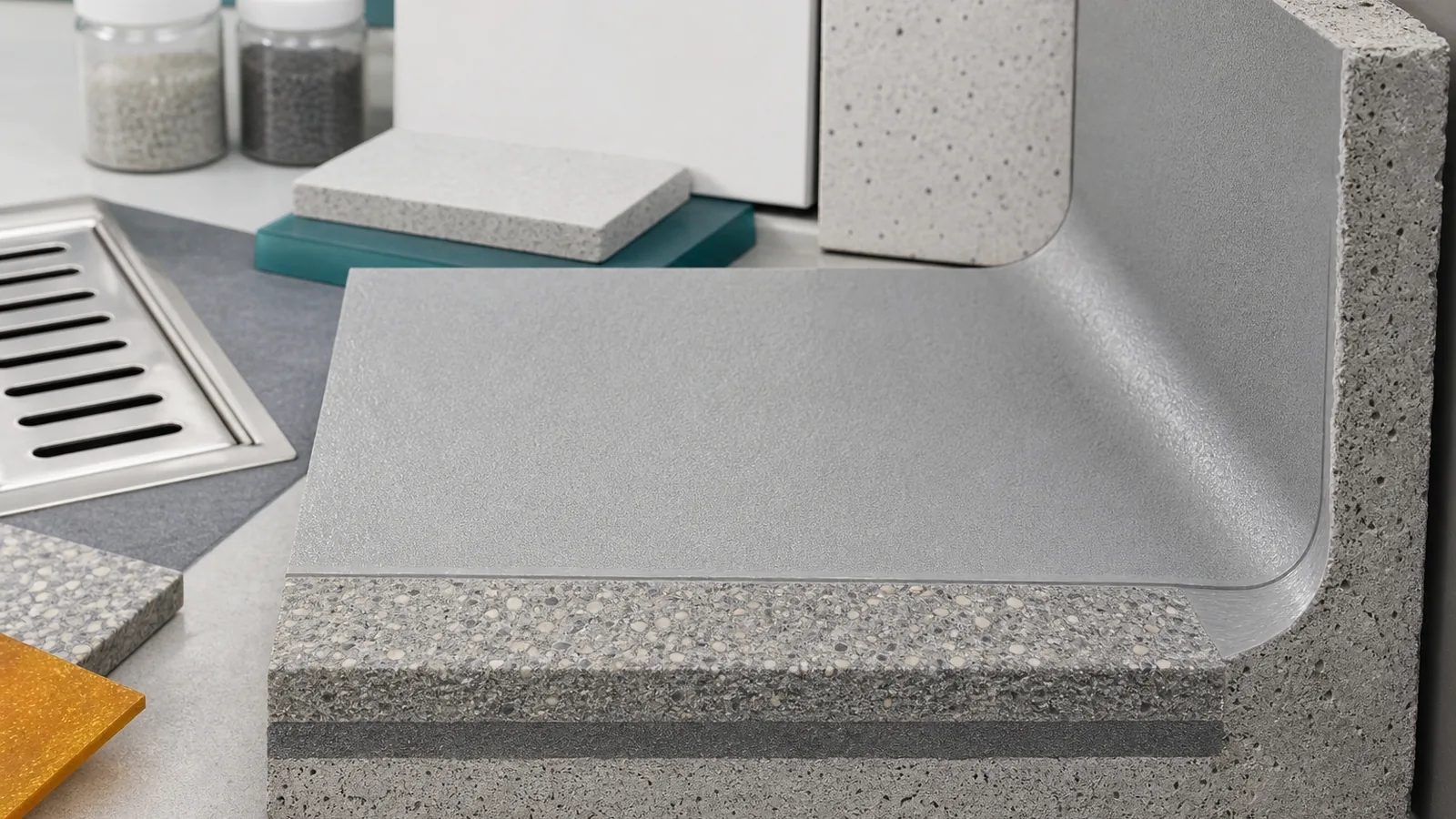
PU cement and polyurethane screed
Wet processing, dairies, bakeries, meat rooms, beverage plants, freezer thresholds and areas exposed to hot water, oils, steam or frequent washdown.
- PU cement flooring
- PU screed
- polyurethane screed
- urethane mortar flooring
- Ucrete-style flooring
- thermal shock resistant flooring
- hot washdown flooring
Coving and stainless drain detailing
Rooms where hygiene depends on floor-to-wall junctions, drain edges, falls, corners and cleanable transitions rather than only the floor coating material.
- coved skirting resin flooring
- food plant cove base flooring
- stainless drain floor detailing
- floor falls and drain interfaces
- wall junction detailing
- joint treatment
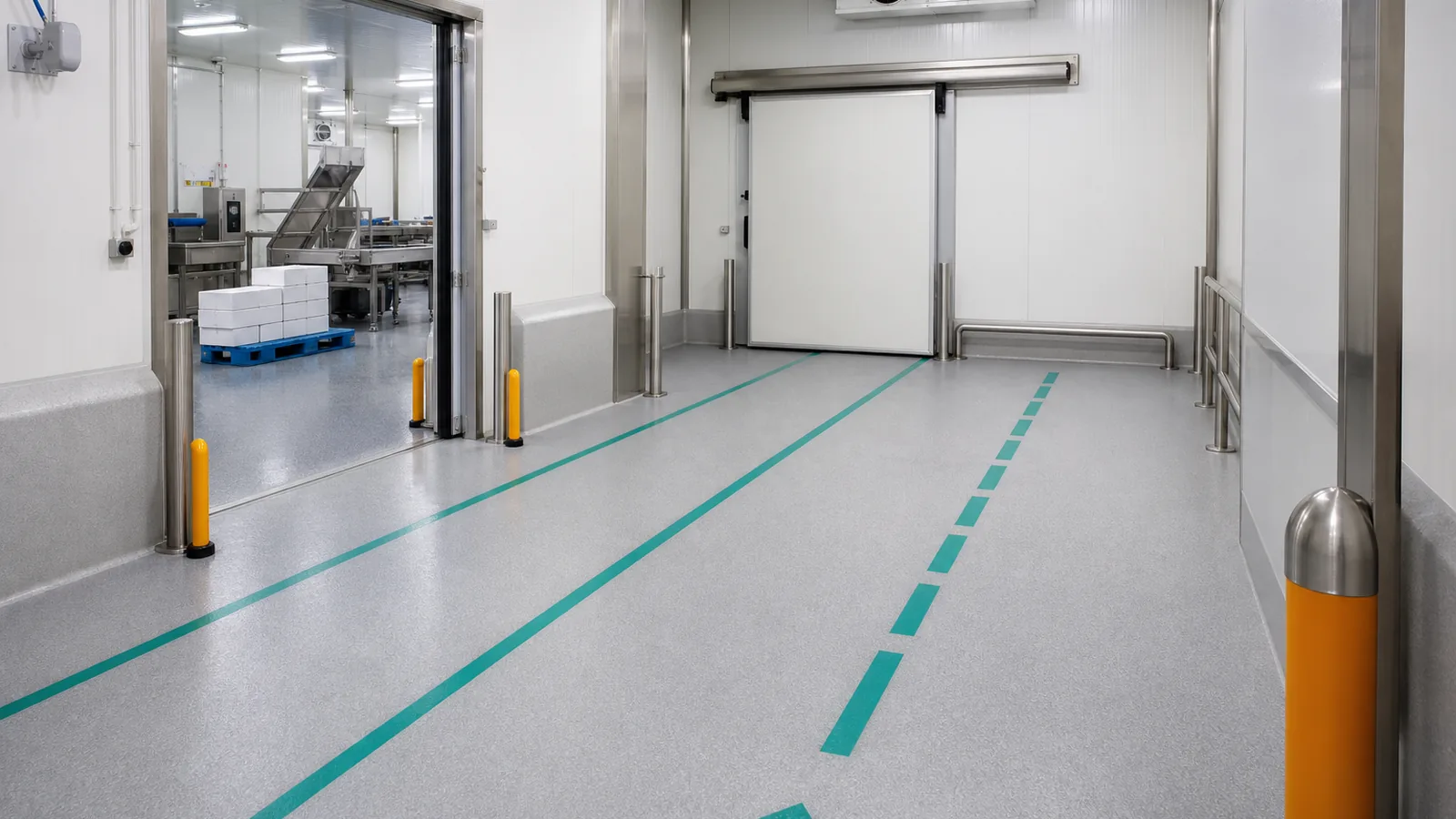
Cold room and freezer threshold flooring
Chilled storage, freezer entrances, packaging rooms, loading routes and transition zones where condensation, temperature change and pallet traffic damage weak floors.
- cold room flooring
- freezer threshold resin mortar
- thermal shock resistant flooring
- condensation-resistant floor planning
- forklift traffic epoxy flooring
- door threshold repair
Anti-slip texture and cleanability
Wet walkways, production routes, commercial kitchens and areas where the floor must balance grip, washability, trolley movement and worker comfort.
- anti-slip resin flooring
- textured epoxy topcoat
- broadcast aggregate profile
- cleanable slip-resistant finish
- line marking and zoning
- maintenance cleaning guidance
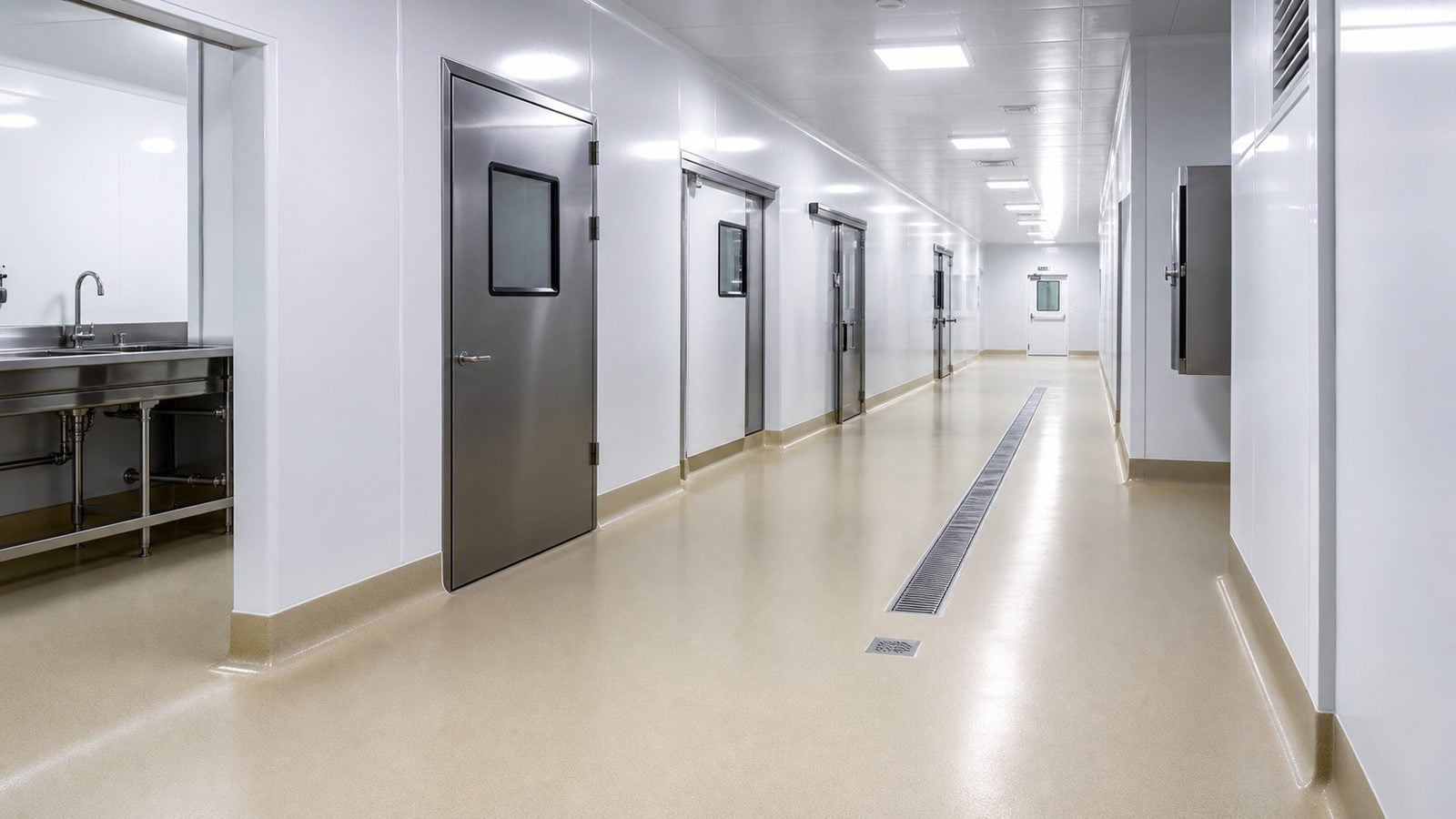
FRP wall and wet-area coordination
Food rooms where washable wall protection, wet-area waterproofing, coves and floor details should be coordinated before the BOQ is finalized.
- FRP wall panels
- GRP wall panels
- hygienic wall cladding
- wet-area waterproofing
- wall protection kerbs
- floor-to-wall coordination
Epoxy vs PU cement
How to choose the right food factory flooring route
Food-grade epoxy and PU cement are not interchangeable. The practical choice depends on washdown temperature, cleaning frequency, impact, substrate repair and how quickly the room must return to service.
| Condition | Better route to review | Why it matters |
|---|---|---|
| Dry packaging, packing tables and clean corridors | Food-grade epoxy or self-leveling epoxy | Good cleanability, color zoning and dust control when thermal shock is not the main risk. |
| Hot washdown, dairies, bakeries and wet processing | PU cement, PU screed or polyurethane screed | Better fit when hot water, steam, oils, cleaning chemicals and thermal cycling are expected. |
| Freezer doors, cold rooms and chilled dispatch | PU cement or thermal-shock resistant resin mortar | Handles temperature transitions, condensation and forklift threshold impact better than a light coating route. |
| Older slabs with spalls, cracks or weak concrete | Epoxy screed mortar, repair mortar and selected resin finish | Repair design must happen before the final floor coating is selected. |
Floor damage and repair
What to inspect before recoating an old food plant floor
Most failed food factory floors have a preparation or exposure problem before they have a coating problem. A repair-first review helps avoid applying a new finish over weak concrete, trapped moisture or contaminated areas.
| Site condition | Flooring risk | Repair check before BOQ |
|---|---|---|
| Oil or food residue contamination | Poor adhesion, fish eyes, soft spots and early coating failure | Degreasing, mechanical preparation, trial area and primer compatibility check. |
| Standing water near drains | Slippery areas, open joints, moisture migration and hygiene risk | Rebuild falls, detail drain edges, select cove height and confirm waterproofing interfaces. |
| Thermal shock at washdown zones | Cracking, debonding and surface stress | Review water temperature, frequency, cleaning method and whether PU cement is needed. |
| Forklift and pallet impact | Gouges, broken joints and damaged thresholds | Use repair mortar, joint treatment, traffic mapping and stronger resin mortar where needed. |
Red flags that change the flooring route
These conditions often change the system thickness, preparation method, drain work, cure window or whether PU cement is a better fit than a standard epoxy coating.
Unknown slab moisture
Moisture can affect adhesion and system choice; test or inspect before pricing the finish as a simple coating.
Damaged drain edges
Open drain edges and poor falls should be repaired before the resin system is treated as complete.
Hot water or steam
Thermal shock changes the selection logic and often moves the review toward PU cement or polyurethane screed.
Oil or food residue in concrete
Contamination can cause fish eyes, soft spots and early failure if preparation is underestimated.
Freezer threshold impact
Cold-room doors, condensation and forklift traffic need stronger threshold planning than a light coating.
No shutdown window
Curing, access and sequencing must be realistic before the material route is confirmed.
Drainage and coving
Hygienic floor details that should not be left until installation
Drain layout, floor falls, stainless drain edges, coved skirting, wall protection and door thresholds should be reviewed before the flooring system is chosen. These details affect cleaning, slip risk, moisture movement and long-term repair needs.
Drains
Confirm drain type, edge condition, floor fall, nearby cracks and whether the drain needs rebuilding before resin work.
Coves
Specify cove height, radius, wall junction and compatibility with FRP wall panels or washable wall protection.
Thresholds
Review cold-room doors, trolley paths and forklift impact zones before choosing repair mortar or PU cement.
Maintenance and cleaning
After-installation care for food processing plant floors
A food-grade resin floor still needs the right cleaning method and periodic inspection. Maintenance records help plan small repairs before damage becomes a hygiene or shutdown issue.
| Timing | Recommended action | Why it helps |
|---|---|---|
| Daily or shift cleaning | Remove oils, powders and food residue using the approved cleaning method for the selected finish. | Avoid aggressive tools or chemicals that were not checked against the flooring system. |
| Weekly inspection | Check drain edges, cove bases, thresholds, joints and impact zones for cracks or open edges. | Early repair protects hygiene details and reduces larger shutdown repairs. |
| Monthly review | Document recurring wet spots, forklift routes, chemical spill points and temperature-stress areas. | Use the record when planning recoating, patch repair or texture adjustment. |
| Shutdown planning | Prepare photos, room schedule, area, cleaning chemicals and traffic load before requesting repair. | This helps SolidDrops recommend epoxy repair, PU cement or another practical route faster. |
Advantages and business benefits
Why a specified food facility floor performs better
Cleaner surfaces
Seamless resin floors, coves and FRP wall interfaces reduce open joints and make cleaning routines more practical.
Better room fit
Slip texture, chemical resistance, thermal shock resistance and traffic planning are reviewed before material selection.
Faster shutdown planning
Consultants and contractors can compare epoxy, PU cement, repair layers, cove details and drain work before the factory shutdown window is fixed.
Installation process
How SolidDrops turns a flooring inquiry into a practical route
The process is designed for faster consultant review, contractor comparison and client decision-making.
Survey and risk mapping
Review city, room use, slab moisture, contamination, drains, wall junctions, cleaning method, traffic and chemical exposure.
System selection
Choose food-grade epoxy, PU cement, polyurethane screed, cove details, drain interfaces, waterproofing coordination and repair mortars by room rather than by one generic product.
BOQ and submittal support
Organize thickness, slip profile, cove details, drain interfaces, repair scope, product family and maintenance notes for consultant and contractor review.
Surface preparation
Mechanically prepare the concrete, remove weak material, repair cracks or spalls, detail coves and confirm the substrate is ready for the selected system.
Installation or supply coordination
Coordinate primer, body coat, epoxy screed mortar, aggregate texture, topcoat, coving, drain details and wall protection based on site conditions.
Handover and maintenance
Protect curing, confirm cleaning method, document maintenance notes and keep a clear inquiry route for future repair or expansion.
Saudi coverage
Food plant flooring support across KSA
SolidDrops supports inquiries all over Saudi Arabia, including Jeddah, Riyadh, Dammam, Jubail, Makkah, Madinah and Tabuk. Local conditions such as humidity, heat, coastal exposure, industrial chemicals, logistics traffic and shutdown timing should be included in the inquiry.
City use cases
Food processing flooring examples across Saudi Arabia
Each city has different building use, logistics, humidity, shutdown and traffic patterns. Share the city and room schedule early so SolidDrops can review the flooring route in context.
Jeddah
humid coastal food warehouses, seafood processing, commercial kitchens and wet rooms.
Riyadh
dry packaging, central kitchens, bakeries, beverage plants and distribution floors.
Dammam
industrial food production, cold storage, chemical exposure and logistics traffic.
Jubail
heavy-duty processing rooms, utility rooms, wet areas and chemical-resistant floor zones.
Makkah
hotel kitchens, catering facilities, service corridors and food preparation rooms.
Madinah
commercial kitchens, chilled storage, packaging zones and hygiene-focused renovation.
Tabuk
cold-chain rooms, food warehouses, freezer thresholds and facility expansion projects.
BOQ-ready checklist
Food plant flooring quotation checklist
Use this checklist before requesting a quotation for food-grade epoxy, PU cement, coving, drains, repair work, cold rooms or commercial kitchen flooring in Saudi Arabia.
1. Location and access
- City, district and facility type
- Floor level, access restrictions and working hours
- Operating facility status and permit needs
2. Area and drawings
- Square meters and room schedule
- BOQ, layout drawings and current photos
- Drain layout, slopes and existing finish details
3. Room use
- Wet processing, dry packaging or warehouse
- Bakery, dairy, meat, seafood or beverage use
- Cold room, freezer threshold or central kitchen
4. Exposure and traffic
- Cleaning chemicals and hot washdown temperature
- Steam, oils, acids, salts, sugars or brine
- Forklifts, pallet jacks, trolleys and impact zones
5. Existing floor condition
- Cracks, spalls, weak concrete or hollow areas
- Old coatings, moisture or contamination
- Failed joints, threshold damage and drain-edge damage
6. Hygiene details
- Coved skirting and floor-to-wall junctions
- Stainless drain interfaces and floor falls
- FRP wall panels and wet-area waterproofing interfaces
7. Timing and shutdown
- Preferred installation date and shutdown window
- Return-to-service requirement
- Phased work needs for rooms that must stay operational
8. Required documents
- System route, thickness, texture and color
- Repair scope, method statement and PDS/SDS
- Maintenance notes and handover expectations
Inspection photos to attach
Send photos of door thresholds, drains, coves, cracks, old coating edges, wet spots, impact zones, freezer doors and any area where cleaning water stands after washdown.
What SolidDrops can return
SolidDrops can review the inputs and suggest a practical flooring route by room, including epoxy vs PU cement direction, repair scope, cove and drain notes, anti-slip texture direction, maintenance considerations and BOQ/submittal points to confirm.
Technical reference basis
Reference points behind the flooring selection logic
SolidDrops still starts with project photos, drawings, room exposure and site conditions. These external references support the page's practical focus on hygiene, cleanability, slip resistance, thermal exposure, epoxy routes, PU cement routes and room-by-room food facility flooring selection.
Sika food and beverage facility flooring guidance
Food and beverage floors should be reviewed for hygiene, cleanability, slip resistance, durability and room exposure before the system is selected.
Open referenceStonhard commercial kitchen flooring guidance
Commercial kitchen floors need practical resistance to moisture, temperature change, abrasion, wear and slip risk in daily service.
Open referenceMapei resin flooring for the food industry
Food-industry resin flooring commonly uses epoxy and polyurethane-cement routes selected by hygiene, traffic, wet-area and cleaning needs.
Open referenceFlowcrete food and beverage flooring selection guide
Different food and beverage zones need different resin flooring decisions instead of one generic coating for every room.
Open referenceRelated project routes
Related SolidDrops pages for deeper product decisions
These pages support deeper product decisions without repeating the main food facility flooring guide.
Epoxy services
Epoxy floor coating, self-leveling epoxy, repair layers and industrial coating support.
View Epoxy servicesUcrete and PU flooring
PU cement and Ucrete-style routes for wet service and thermal shock areas.
View Ucrete and PU flooringWaterproofing contractor
Wet rooms, drains, joint treatment and water-exposed concrete protection that can affect flooring performance.
View Waterproofing contractorFRP hygienic panels
FRP wall protection, hygienic kerbs and floor-to-wall coordination for food facility rooms.
View FRP hygienic panelsContact SolidDrops
Inquiry route for BOQ, photos, drawings and project review.
View Contact SolidDropsBuyer questions
Food processing plant flooring FAQ
Answers are written for procurement, consultants and project teams who need clear next steps.
What flooring is best for a food processing plant in Saudi Arabia?
The best system depends on the room. Dry packaging may use food-grade epoxy, while wet processing, hot washdown, cold rooms and freezer thresholds often need PU cement or polyurethane screed with cove and drain detailing.
When should a food factory choose PU cement instead of epoxy?
PU cement is usually considered when the area has hot water, steam, thermal shock, oils, wet cleaning, cold-room transitions or aggressive cleaning chemicals. Epoxy remains useful for many dry or moderate-duty hygienic rooms.
Can SolidDrops combine flooring with FRP wall panels and waterproofing?
Yes. Food facilities often need the floor, wall, cove, drain, wet-area waterproofing and repair material details reviewed together so the hygienic package works as one system.
Which Saudi cities does SolidDrops support?
SolidDrops supports food processing plant flooring inquiries across Saudi Arabia, including Jeddah, Riyadh, Dammam, Jubail, Makkah, Madinah and Tabuk. Share the city early because humidity, logistics, shutdown timing and site access affect the flooring route.
What information is needed for a food plant flooring quotation?
Send the city, area in square meters, BOQ or drawings, room use, photos, existing floor condition, drainage layout, cove requirements, cleaning chemicals, hot washdown temperature, traffic load and available shutdown window. The downloadable checklist on this page can be copied into the inquiry email.
Can I download a food plant flooring BOQ checklist?
Yes. Use the checklist section on this page to download a short TXT checklist or copy the same items into your inquiry. It covers room use, drawings, drains, coving, cleaning chemicals, temperature, traffic, substrate condition and shutdown timing.
How is food factory flooring cost estimated?
Cost depends on substrate repair, system thickness, moisture, coving, drains, slip texture, shutdown timing, chemical exposure, temperature exposure, access and project location. SolidDrops can review the inputs before recommending a system route.
What should be checked before resurfacing an old food factory floor?
The existing floor should be checked for weak concrete, oil contamination, moisture, cracks, hollow areas, failed joints, drain edges, wall junctions and temperature exposure. These details decide whether epoxy screed mortar, PU cement or another repair route is practical.
How should food factory floors be maintained after installation?
Maintenance depends on the selected system, but the routine should include approved cleaning, regular checks around drains and coves, fast repair of impact damage and a record of chemicals, temperature exposure and traffic changes.
Why do drains and coves matter in food processing flooring?
Drains, floor falls and coved skirting decide how easily water and residue leave the room. Weak drain edges, open wall junctions or poor falls can damage hygiene performance even when the main resin floor material is correct.
Project inquiry
Send your BOQ, photos or room schedule to SolidDrops
For faster review, include the city, area, photos, drawings, room use, traffic, chemicals, drainage, temperature exposure and required shutdown window.
 Chat Online