
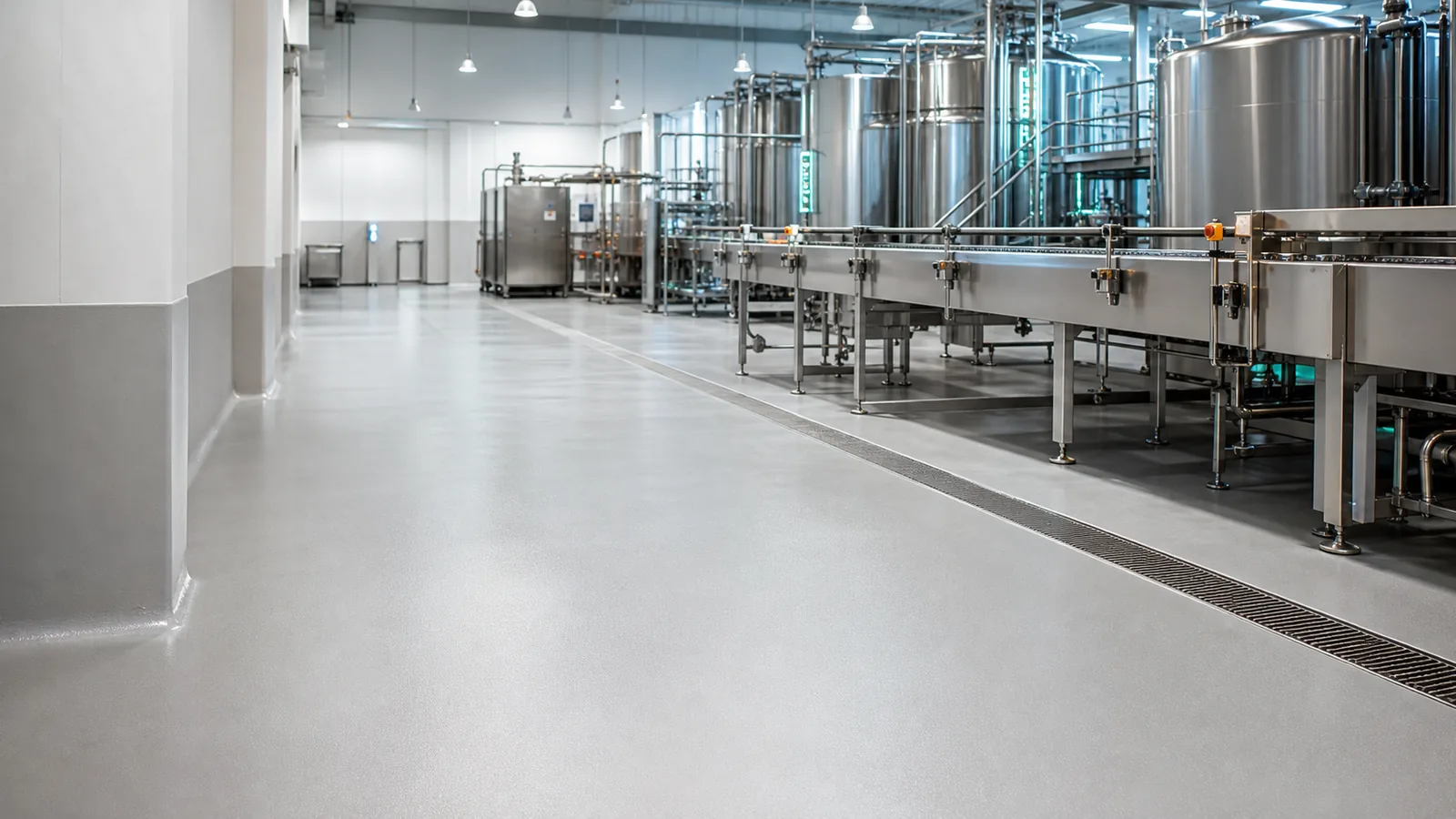
Food Processing Plant Flooring in Saudi Arabia
SolidDrops supports food processing plants, commercial kitchens, cold rooms and washdown areas across Saudi Arabia with food-grade epoxy, PU cement, polyurethane mortar, hygienic wall protection and related project materials.
The right floor is selected by room use, cleaning chemicals, temperature exposure, drainage, slip risk, traffic and shutdown timing. This page is built for owners, consultants, contractors, facility managers and procurement teams who need a practical specification route.
Food-grade flooring should be specified by exposure, not by product name only
A food plant floor has to survive more than foot traffic. It may face hot water, steam cleaning, fats, sugars, acids, sanitizers, impact, trolley wheels, forklifts, freezer transitions, drains and daily washdown.
- Epoxy flooring is useful for seamless, cleanable dry or moderate-duty food areas.
- PU cement and polyurethane mortar are often better for hot washdown, wet processing and thermal cycling.
- FRP wall panels, coving and waterproofing should be coordinated with floors because weak junctions create hygiene and repair problems.
- Stonhard, Stonclad, Stonchem and Stonshield style systems are useful specification references for heavy-duty food and beverage environments.
For food processing plant flooring in Saudi Arabia, SolidDrops recommends selecting between food-grade epoxy, PU cement, polyurethane mortar, chemical-resistant lining, MMA rapid-cure options and FRP wall protection based on room use, cleaning method, temperature, drainage, slip resistance and traffic. Contact SolidDrops at +966 50 213 1112 or info@soliddrops.com for KSA project review.
Where food-grade epoxy, PU cement and hygienic resin floors are used
The same plant can require several flooring systems. A packaging room, freezer entrance, wet processing room and chemical store should not be specified as one generic coating.
Food processing plants
System choice depends on traffic, moisture, cleaning method, temperature exposure and hygiene detailing.
Commercial kitchens and central kitchens
System choice depends on traffic, moisture, cleaning method, temperature exposure and hygiene detailing.
Dairies, bakeries, meat and seafood processing
System choice depends on traffic, moisture, cleaning method, temperature exposure and hygiene detailing.
Beverage, bottling and packaging lines
System choice depends on traffic, moisture, cleaning method, temperature exposure and hygiene detailing.
Cold rooms, freezers and chilled logistics
System choice depends on traffic, moisture, cleaning method, temperature exposure and hygiene detailing.
Wet process rooms and washdown areas
System choice depends on traffic, moisture, cleaning method, temperature exposure and hygiene detailing.
Laboratories, QC rooms and clean support areas
System choice depends on traffic, moisture, cleaning method, temperature exposure and hygiene detailing.
Food warehouses, loading bays and forklift routes
System choice depends on traffic, moisture, cleaning method, temperature exposure and hygiene detailing.
Drain rooms, sump rooms and chemical stores
System choice depends on traffic, moisture, cleaning method, temperature exposure and hygiene detailing.
FRP wall-protected hygienic spaces
System choice depends on traffic, moisture, cleaning method, temperature exposure and hygiene detailing.
Benefits that matter to owners, consultants and facility teams
Hygienic continuity
Seamless floors, coving and drain detailing reduce weak joints where moisture and residue collect.
Washdown durability
Correctly selected epoxy, PU cement or polyurethane mortar handles cleaning chemicals, wet traffic and regular sanitation.
Thermal shock control
PU cement systems are often better suited than thin coatings for hot water, steam cleaning and freezer transitions.
Slip-resistance balance
Texture is matched to wet traffic risk while still supporting practical cleaning routines.
Lower downtime planning
The right system choice, substrate preparation and curing plan reduce unplanned repairs and production interruptions.
Consultant-friendly specification
SolidDrops organizes system choice around room use, exposure, substrate, drawings and BOQ needs.
Epoxy vs PU cement vs polyurethane mortar
Food-grade epoxy is not wrong, but it is not automatically correct for every food area. The stronger specification compares system chemistry, thickness, texture and exposure before choosing.
| Need | Common flooring direction | Why it matters |
|---|---|---|
| Dry packaging and cleanable storage | Food-grade epoxy or self-leveling resin | Seamless surface, easier cleaning and moderate chemical resistance. |
| Hot washdown, steam or thermal shock | PU cement or polyurethane mortar | Better tolerance for temperature cycling and aggressive wet cleaning. |
| Heavy impact and forklift traffic | Heavy-duty epoxy mortar, PU cement or polyurethane screed | Improves wear resistance and reduces repair risk under impact loads. |
| Chemical containment | Stonchem-style chemical resistant lining or compatible lining system | Material selection depends on chemical list, concentration, temperature and exposure time. |
| Urgent shutdown window | MMA rapid-cure or phased repair system where suitable | Can reduce downtime when site conditions and odor control are acceptable. |
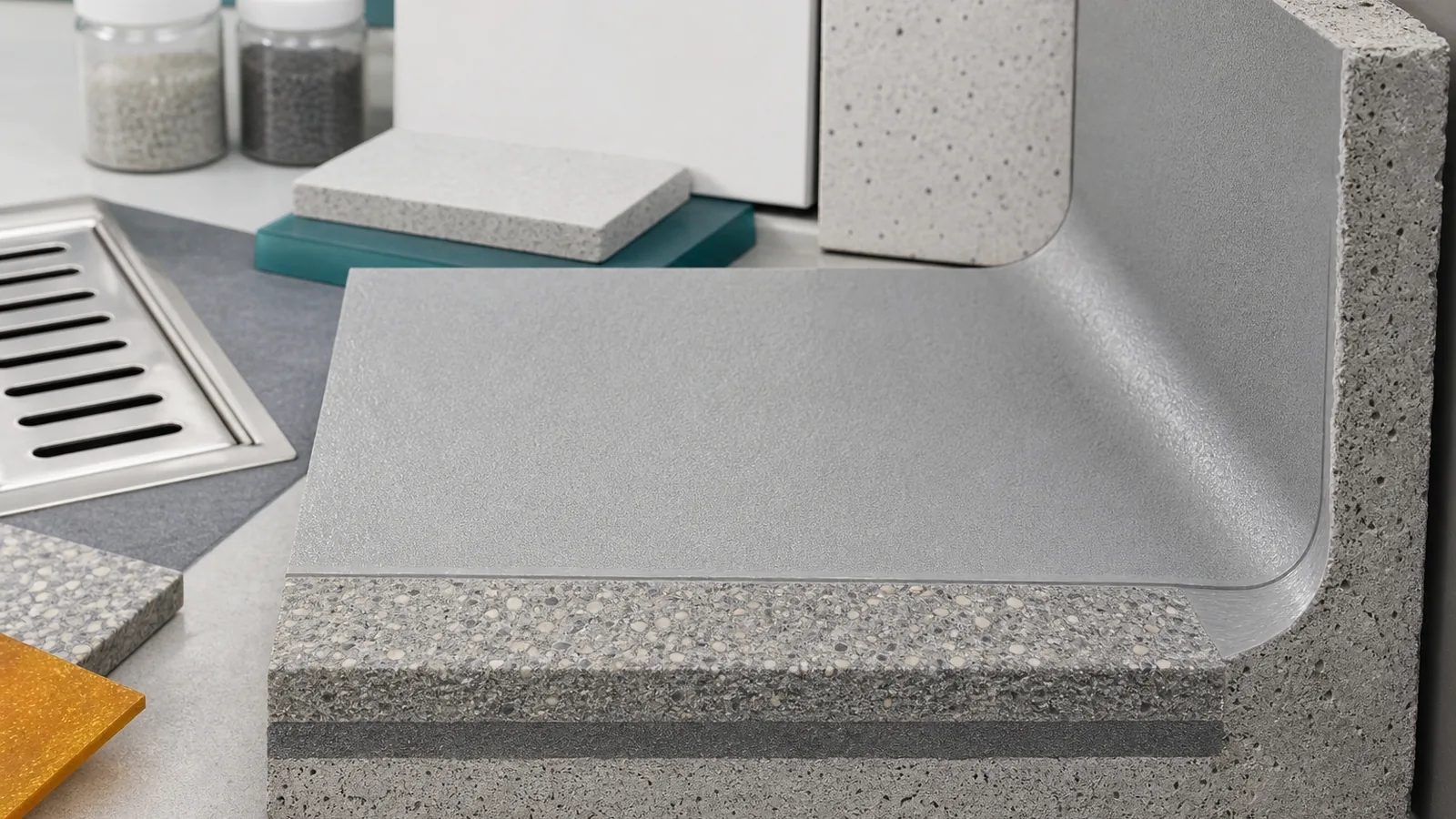
Food plant flooring matrix for consultants, owners and contractors
A stronger specification separates food production areas by exposure. Use this matrix to prepare a practical BOQ discussion before selecting coating thickness, texture, cove height, drain detail or repair method.
| Food facility zone | Likely flooring direction | Details to confirm before quotation |
|---|---|---|
| Wet processing, dairy, meat and seafood rooms | PU cement or polyurethane mortar with slip-resistant texture | Hot water, steam, fats, proteins, cleaning chemicals, stainless drains, coving and traffic load. |
| Commercial kitchens, bakeries and central kitchens | Textured food-grade epoxy, PU cement or mortar depending on heat and grease exposure | Ovens, grease, dishwashing, water falls, movement joints, wall-floor junctions and shutdown timing. |
| Cold rooms, freezer entrances and chilled logistics | PU cement, thermal-shock-resistant resin or suitable heavy-duty system | Temperature range, condensation, forklift movement, freezer thresholds and cleaning cycle. |
| Dry packaging, QC rooms and clean storage | Food-grade epoxy, self-leveling resin or light textured resin system | Dust control, trolley routes, cleanability, color zoning, crack repair and maintenance access. |
| Chemical stores, sumps, trenches and containment | Chemical-resistant lining or Stonchem-style material category | Chemical names, concentration, temperature, exposure duration, bunding, edge details and repair history. |
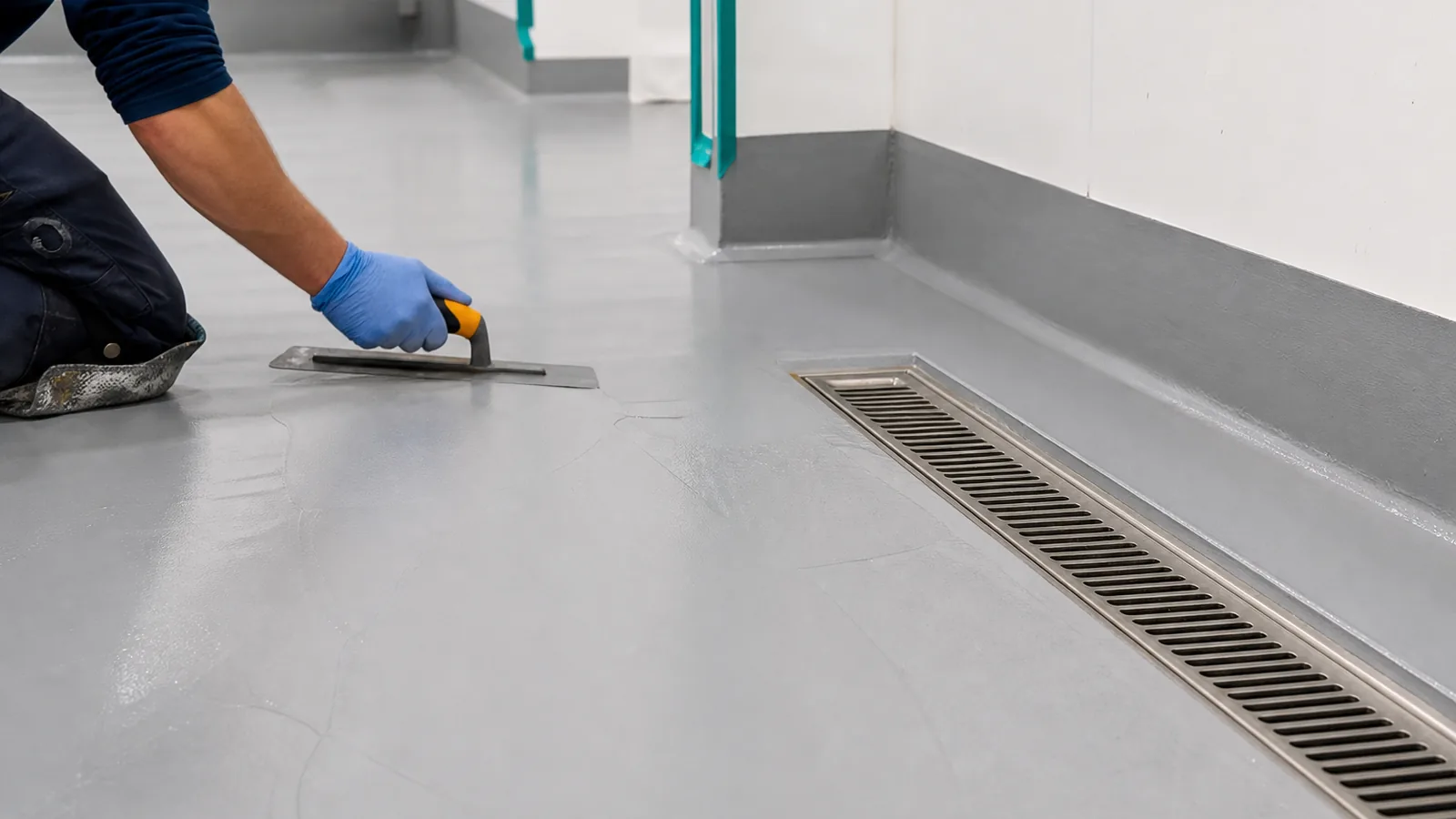
How SolidDrops reviews and installs food factory flooring
Inquiry review
Confirm city, room type, square meters, drawings, photos, traffic, drainage and shutdown window.
Site and substrate check
Review slab condition, moisture, cracks, contamination, slope, drains, joints and existing coatings.
System selection
Choose epoxy, PU cement, polyurethane mortar, MMA, coving, texture, primer and topcoat based on the area.
Surface preparation
Grind, repair, clean, prime and detail joints, drains, kerbs and coved wall bases.
Application and QA
Apply the selected system in controlled stages, check thickness, texture, termination and curing conditions.
Handover support
Share cleaning method, traffic timing, maintenance advice and future repair guidance.
One food facility may need flooring, wall protection, waterproofing and building materials together
SolidDrops supports the full project conversation, not only one coating line. The list below keeps all relevant product categories visible for buyers and search engines.
Food-grade epoxy flooring
Seamless, non-porous resin flooring for dry and moderate-duty food rooms, packaging areas and cleanable service spaces.
PU cement flooring
Heavy-duty polyurethane cement for wet processing, hot washdown, freezer transitions and thermal shock exposure.
Polyurethane mortar
Troweled resin mortar for high traffic, impact, chemical cleaning and areas needing robust texture.
Stonhard / Stonclad guidance
Material comparison support for Stonclad, Stonchem, Stonshield and food-and-beverage flooring categories.
Stonchem-style lining
Chemical-resistant lining direction for bunds, trenches, sumps, containment and process chemical rooms.
Stonshield-style texture
Slip-resistance planning where cleanability and wet traction must be balanced.
MMA rapid-cure flooring
Fast turnaround resin flooring guidance for phased shutdowns, night work and urgent repair windows.
FRP wall panels
Hygienic wall and ceiling protection coordinated with coved resin floors, kerbs and drains.
Waterproofing systems
Wet-area, roof, tank, basement and car-park waterproofing for connected facility needs.
Construction chemicals
Concrete repair, primers, mortars, crack treatment and project chemicals for substrate preparation.
Pigments and color zoning
Color support for floor zones, traffic lanes, safety areas and process identification.
Fire alarm and building materials
Project supply support for fire alarm systems, accessories and building material requirements.
SolidDrops supports food factory flooring inquiries all over KSA
Service coverage includes Jeddah, Riyadh, Dammam, Jubail, Makkah, Madinah, Medina and Tabuk. For faster review, send project city, drawings, photos, room use and exposure details.
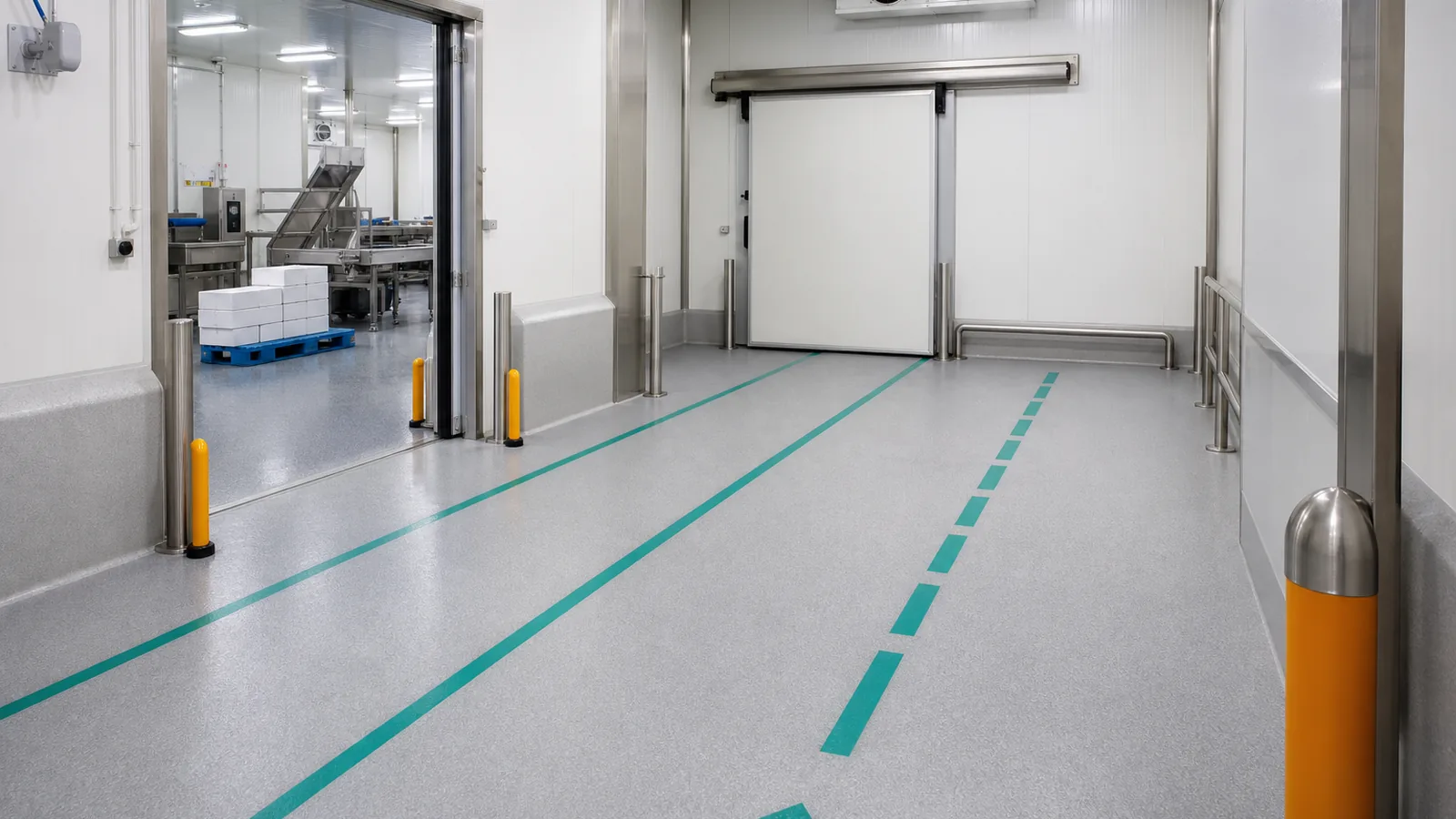
Information required before selecting the flooring system
Room and exposure
Food type, wet or dry process, cleaning chemicals, hot water, steam, freezer temperature and contamination risk.
Substrate and details
Concrete strength, moisture, cracks, slopes, drains, joints, existing coating, coving and wall protection.
Operation and ROI
Shutdown window, traffic load, expected maintenance, repair access and the cost of future downtime.
Specification note: Brand names such as Stonhard, Stonclad, Stonchem, Stonshield and Ucrete are used as material-category references. Confirm current product datasheets, approvals and supplier status before final specification or procurement.
Search terms and project intents this page answers
This section keeps the page useful for procurement teams, consultants and project decision makers. Each phrase is connected to a real project decision: system type, using area, exposure, city coverage, ROI or inquiry route.
5 focus keywords
- food processing plant flooring Saudi Arabia
- food grade epoxy flooring KSA
- PU cement flooring Saudi Arabia
- hygienic resin flooring for food factories
- commercial kitchen flooring Saudi Arabia
Organic supporting keywords
- food factory flooring KSA
- food-grade epoxy coating Saudi Arabia
- PU cement floor for food plant
- polyurethane mortar flooring
- urethane cement flooring
- Ucrete-style flooring Saudi Arabia
- Stonhard Stonclad flooring
- Stonchem chemical resistant lining
- Stonshield slip resistant flooring
- MMA rapid cure flooring
- thermal shock resistant flooring
- washdown area flooring
- cold room flooring
- commercial kitchen resin floor
Long-term buyer searches
- best food processing plant flooring in Saudi Arabia
- food grade epoxy flooring contractor in Jeddah Riyadh Dammam
- PU cement flooring for hot washdown food factories in KSA
- which floor is best for cold rooms and food processing plants
- epoxy vs PU cement flooring for food production areas
- hygienic flooring with coving and stainless drains for food plants
- anti-slip resin flooring for commercial kitchens Saudi Arabia
- Stonclad style flooring for food and beverage factories in KSA
- FRP wall panels with food grade epoxy flooring Saudi Arabia
- food plant flooring BOQ and submittal support in Saudi Arabia
- food factory floor drain and coving details for hygienic areas
- food factory flooring quotation requirements Saudi Arabia
Local project coverage
Direct answers cover Saudi Arabia, Jeddah, Riyadh, Dammam, Jubail, Makkah, Madinah, Medina and Tabuk for food factory flooring inquiries.
Search-ready project details
The page identifies the brand, service, contact, applications, products, comparison terms, quotation inputs and structured schema for answer generators.
Value and inquiry planning
Content explains downtime, cleaning, thermal shock, substrate repair, traffic and specification choices that affect long-term floor value.
Related SolidDrops pages for complete project planning
These links strengthen the page as the food-processing flooring authority while routing buyers to related flooring, waterproofing, FRP and chemical solutions.
Food processing plant flooring questions
What flooring is best for a food processing plant in Saudi Arabia?
The best system depends on the room. Dry packaging areas may use food-grade epoxy, while wet processing, hot washdown, cold rooms, freezers and aggressive cleaning zones often need PU cement or polyurethane mortar flooring with coving and drain detailing.
Is food-grade epoxy the same as ordinary epoxy paint?
No. Food-grade epoxy flooring is selected for seamless cleanability, moisture resistance, chemical exposure, slip profile, impact resistance and hygiene detailing. Ordinary thin epoxy paint is not suitable for every food production area.
When should a food plant choose PU cement instead of epoxy?
PU cement is normally considered for wet process rooms, thermal shock, steam or hot water cleaning, freezer entrances, dairies, bakeries, meat processing and areas where cleaning chemicals or temperature cycling can damage basic coatings.
Can SolidDrops coordinate floors, drains, coving and FRP wall panels?
Yes. SolidDrops can review the floor-to-wall junction, stainless drains, coving, FRP wall panels, wet-area waterproofing and repair materials together so the hygienic package works as one system.
Can SolidDrops support consultant BOQ and submittal review?
Yes. SolidDrops can help organize room schedules, system thickness direction, substrate repair notes, cove details, drain interfaces, slip profile, cleaning exposure and product-category comparisons so consultants and contractors can refine the final BOQ.
Which rooms usually need the strongest food factory flooring system?
Wet processing rooms, dairies, bakeries, meat and seafood areas, freezer thresholds, hot washdown zones, chemical stores, sumps and forklift routes usually need heavier-duty resin systems than a basic coating.
Which Saudi cities does SolidDrops cover?
SolidDrops supports food factory flooring and related material inquiries across Saudi Arabia, including Jeddah, Riyadh, Dammam, Jubail, Makkah, Madinah, Medina and Tabuk.
How is food factory flooring cost estimated?
Cost depends on area size, substrate repair, moisture, system thickness, coving, drains, slip texture, shutdown timing, chemical exposure, temperature exposure and project location. Drawings, photos and room usage details help produce a practical quotation.
What information should I send for a quotation?
Send project city, room type, square meters, drawings, site photos, current floor condition, drainage layout, cleaning chemicals, temperature range, traffic load and the available shutdown window.
- Page title: Food Processing Plant Flooring in Saudi Arabia
- Suggested URL: https://soliddrops.com/food-processing-plant-flooring-in-saudi-arabia-food-grade-epoxy-coating-soliddrops/
- Brand/entity: SolidDrops
- Contact: info@soliddrops.com, +966 50 213 1112
- Coverage: Saudi Arabia, Jeddah, Riyadh, Dammam, Jubail, Makkah, Madinah, Medina, Tabuk
SolidDrops provides food processing plant flooring guidance in Saudi Arabia, including food-grade epoxy, PU cement, polyurethane mortar, hygienic resin flooring, Stonhard/Stonclad-style material comparison, chemical-resistant lining, FRP wall panels, waterproofing and related building materials for food factories, commercial kitchens, cold rooms and washdown areas.
Send your food factory flooring requirement to SolidDrops
For a practical review, include project city, room names, square meters, drawings, photos, drain layout, cleaning chemicals, temperature range, traffic load and expected shutdown window.
 Chat Online