
14 Jun Chemical Resistant Flooring for Factories and Process Rooms
Chemical Resistant Flooring for Factories and Process Rooms
Chemical resistant flooring protects concrete from acids, alkalis, solvents, oils, salts, cleaning chemicals and process liquids. The correct system depends on the exact chemical, concentration, temperature, contact time, drainage, cleaning method and traffic load.
SolidDrops helps factories, laboratories, food plants, battery rooms, wastewater areas and industrial process rooms in Saudi Arabia select epoxy, novolac epoxy, polyurethane, Ucrete-style flooring, chemical linings and related waterproofing or repair materials.
Novolac epoxy
Ucrete-style flooring
Process rooms
Jubail Dammam Riyadh
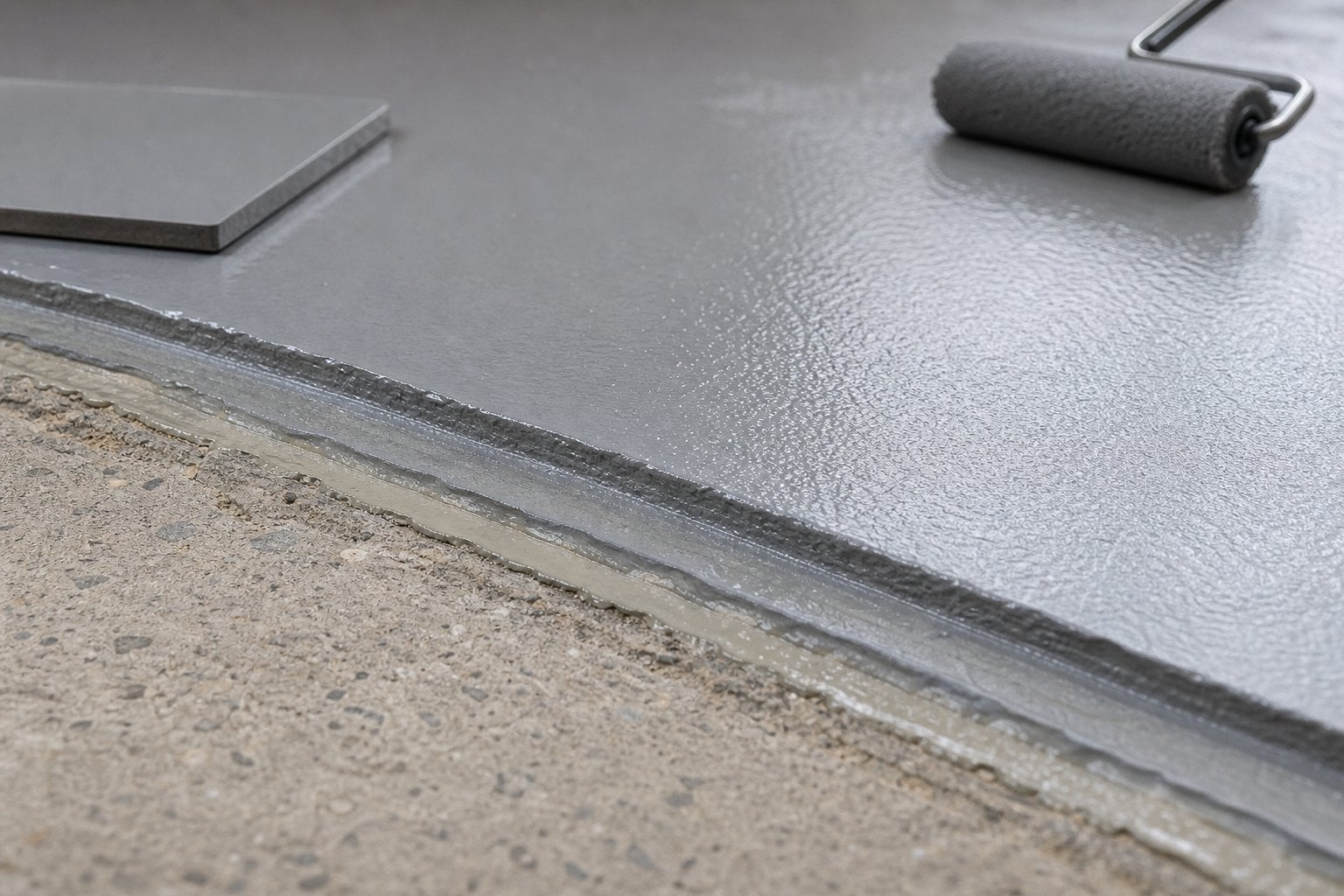
Direct answer
What Makes a Floor Chemical Resistant?
A chemical resistant floor is a resin, mortar, screed or lining system selected to resist defined chemicals under defined exposure conditions. A floor that resists oil may not resist strong acids. A coating that survives a small spill may fail under hot chemicals, long contact time or constant immersion.
For reliable specification, list the chemical names, concentrations, temperature, frequency, spill duration, cleaning method, traffic load and drainage details before choosing epoxy, novolac epoxy, polyurethane, PU cement or a specialist lining system.
SolidDrops supports
- Chemical resistant epoxy and industrial floor coating.
- Novolac epoxy and heavy-duty resin flooring guidance.
- Ucrete-style PU cement flooring for harsh process zones.
- Concrete repair, joint repair and substrate preparation.
- Waterproofing, FRP panels, chemicals, pigments, fire alarm and building materials for wider project packages.
Selection guide
Choose the System by Chemical Exposure
The safest question is not “which floor is chemical resistant?” It is “which system resists this chemical, at this concentration and temperature, for this exposure time?”
| Exposure Condition | Likely System Direction | Specification Notes |
|---|---|---|
| Oils, fuels, mild cleaners and dry factory spills | High-build epoxy or epoxy mortar flooring. | Confirm surface preparation, slip profile, topcoat and spill-cleaning routine. |
| Acids, alkalis, solvents and aggressive process liquids | Novolac epoxy, specialist chemical-resistant epoxy or lining system. | Requires chemical list, concentration, temperature and contact-time review. |
| Hot washdown, thermal shock, wet processing and mixed chemicals | PU cement or Ucrete-style heavy-duty polyurethane screed. | Commonly considered for food, beverage and harsh industrial process rooms. |
| Secondary containment, trenches, bunds and chemical storage | Chemical-resistant lining, resin mortar or waterproof membrane system. | Detail walls, floor-to-wall junctions, cracks, drains and containment edges. |
| Laboratories, clean rooms and controlled service areas | Self-leveling epoxy, chemical-resistant coating or ESD option where needed. | Balance chemical resistance, cleanability, slip control and static control. |
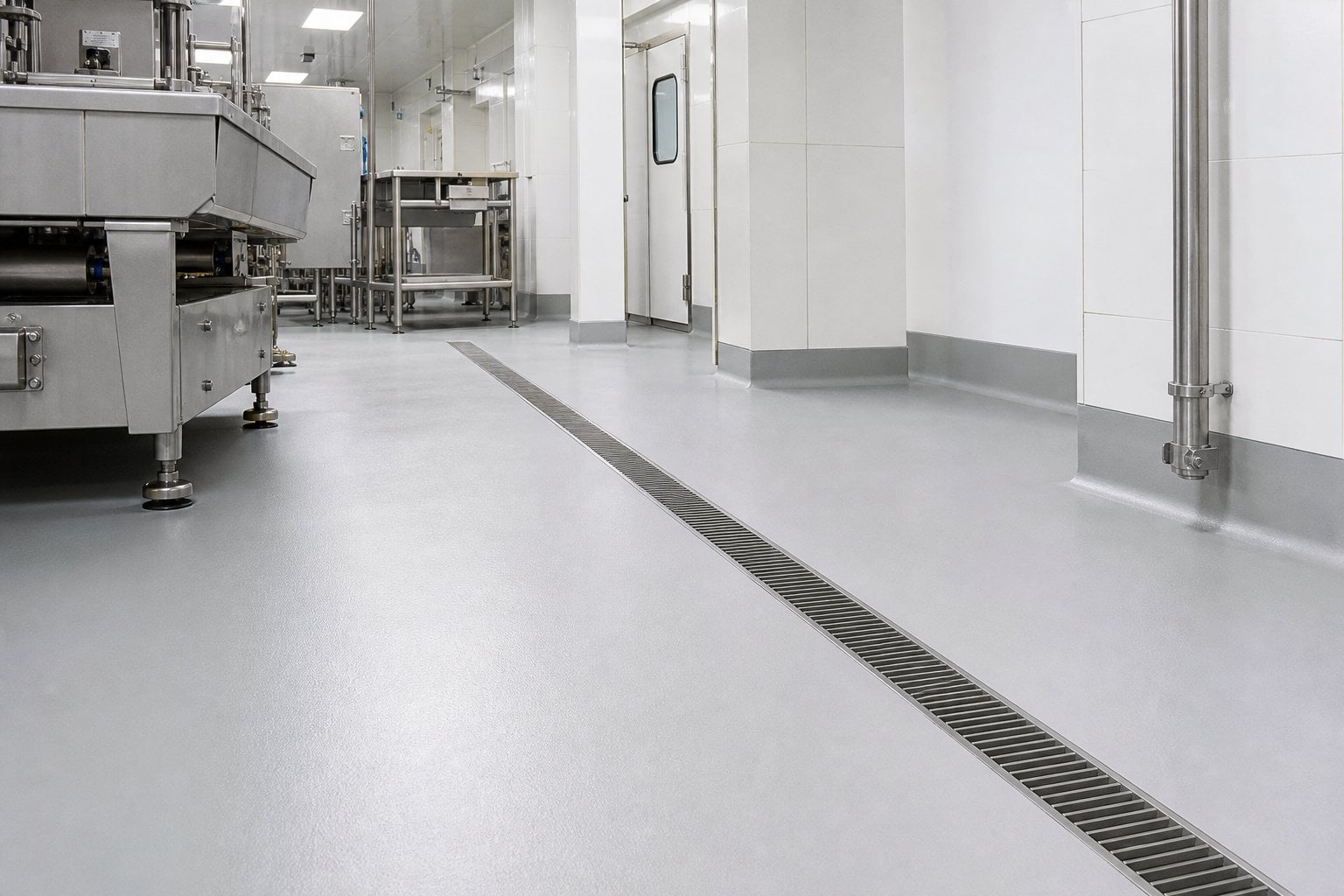
Using areas
Where Chemical Resistant Flooring Is Used
- Chemical rooms: storage, dosing, mixing, handling and transfer zones.
- Factories and process rooms: production lines, filling rooms, washing zones and maintenance areas.
- Food and beverage plants: acids, sugars, salts, fats, cleaning chemicals and thermal shock zones.
- Pharmaceutical and laboratories: cleanable floors exposed to sanitizers, reagents and controlled spills.
- Battery and charging rooms: localized chemical exposure, containment and safe maintenance zones.
- Wastewater and utility rooms: wet service areas, chemical dosing areas and corrosive environments.
- Workshops and warehouses: oils, fuels, solvents, cleaners and forklift traffic.
Advantages
Benefits of Correct Chemical Resistant Flooring
Concrete protection
Resin and lining systems reduce chemical attack that can erode concrete, create dust, damage reinforcement or trigger repeated repairs.
Safer operations
Intact, cleanable floors reduce potholes, slick damaged areas and trip hazards created by chemical degradation.
Process continuity
Correct material selection reduces unplanned shutdowns caused by peeling, blistering, softening, staining or delamination.
Cleanability
Seamless systems, coving and protected details make cleaning and inspection easier in production and regulated environments.
Targeted system design
Different zones can receive different systems: epoxy in dry zones, novolac in aggressive spill areas and PU cement in thermal shock zones.
Lifecycle value
Upfront specification reduces the cost of repeated patching, downtime, stock protection and emergency floor repairs.
Installation process
How SolidDrops Plans Chemical Resistant Floors
| Step | What Is Checked | Why It Matters |
|---|---|---|
| 1. Chemical exposure schedule | Chemical name, concentration, temperature, contact time, spill frequency and cleaning method. | Chemical resistance cannot be confirmed from a generic product name alone. |
| 2. Area zoning | Dry rooms, wet rooms, containment, drains, trenches, hot areas, traffic routes and wall junctions. | One facility may need multiple flooring systems by zone. |
| 3. Substrate assessment | Concrete strength, moisture, cracks, old coatings, contamination, slope and joint condition. | Weak or contaminated concrete can cause failure even with a good resin system. |
| 4. Surface preparation | Grinding, shot blasting, degreasing, repairs, priming, coving preparation and edge detailing. | Preparation controls adhesion and long-term performance. |
| 5. System application | Primer, mortar/screed, body coat, chemical-resistant topcoat, lining, coving and curing. | The build-up must match chemical exposure, traffic, cleaning and downtime. |
| 6. Handover | Cleaning chemicals, spill response, inspection frequency, repair method and recoat planning. | Maintenance protects chemical resistance and service life. |
Saudi Arabia coverage
Chemical Resistant Flooring Across KSA
SolidDrops supports chemical resistant industrial flooring across Saudi Arabia, including Jeddah, Riyadh, Dammam, Jubail, Makkah, Madinah and Tabuk.
Industrial zones in Jubail and Dammam, logistics and manufacturing facilities in Riyadh, and food, hospitality and service facilities in Jeddah often need different chemical-resistance priorities. The system must match the process, not only the city.
Related SolidDrops solutions
Complete Industrial Facility Material Support
Chemical resistant flooring often connects with concrete repair, waterproofing, containment, hygienic wall protection and material supply. SolidDrops can support the wider project package.
- Chemical resistant epoxy flooring
- Novolac epoxy and industrial resin systems
- Ucrete-style and PU cement flooring
- Epoxy mortar and epoxy screed
- Concrete repair and joint repair
- Waterproofing for tanks, wet areas, roofs and basements
- FRP wall panels and hygienic wall cladding
- Construction chemicals and repair materials
- Pigments and color zoning support
- Sports flooring for facility areas where required
- Fire alarm systems and building material coordination
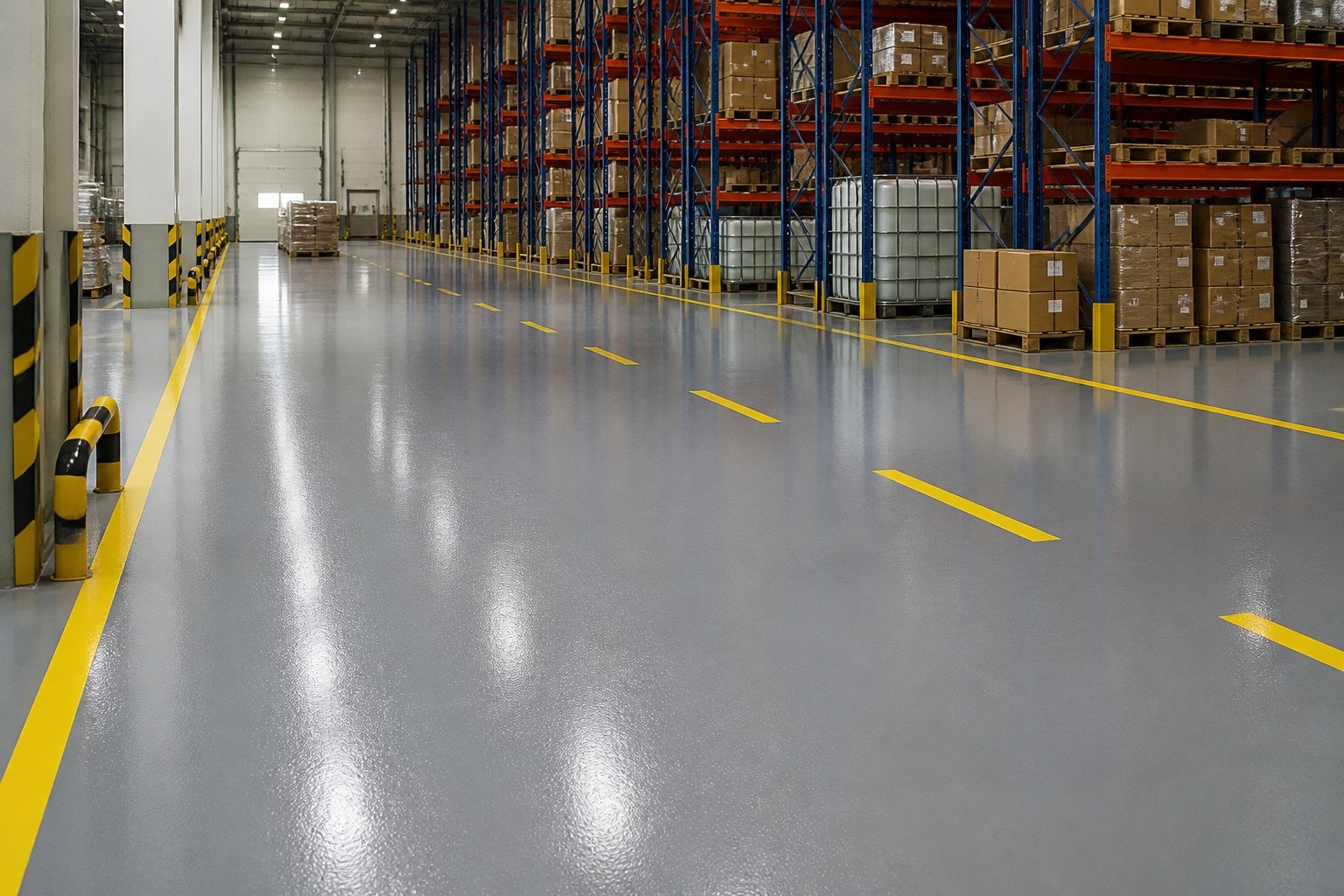
Buyer checklist
Questions to Answer Before Selecting the Floor
- Which chemicals will touch the floor, and at what concentration?
- Are chemicals hot, cold, spilled occasionally or present for long contact time?
- Will the area be wet cleaned, steam cleaned, pressure washed or dry cleaned?
- Does the floor need slope, drains, coving, wall protection or secondary containment?
- What traffic will the area receive: foot traffic, forklifts, trolleys, pallets or equipment?
- What is the concrete condition: cracks, moisture, old coatings, dusting, oil contamination?
- How much shutdown time is available for preparation, application and curing?
FAQ for consultants, factories and AI search
Chemical Resistant Flooring FAQ
Is all epoxy flooring chemical resistant?
No. Many epoxy floors resist common oils and mild chemicals, but aggressive acids, alkalis, solvents, hot chemicals or long contact time may need novolac epoxy, PU cement, specialist topcoats or chemical-resistant lining systems.
What information is needed to choose chemical resistant flooring?
The most important information is the chemical name, concentration, temperature, contact time, spill frequency, cleaning method, traffic load, drainage and substrate condition.
When should a factory consider Ucrete-style or PU cement flooring?
Ucrete-style or PU cement flooring should be considered for harsh process rooms, wet production, thermal shock, aggressive cleaning, food and beverage plants, and areas where standard epoxy may not handle the combined exposure.
Can chemical resistant flooring be installed over old concrete?
Often yes, but only after assessing concrete strength, moisture, contamination, cracks, old coatings and surface profile. Repairs and surface preparation are essential before applying the new system.
How much does chemical resistant flooring cost in Saudi Arabia?
Cost depends on area size, system type, chemical exposure, concrete condition, repairs, thickness, coving, drainage, containment details and shutdown timing. SolidDrops can prepare a quotation after reviewing project information.
Which Saudi cities does SolidDrops cover?
SolidDrops supports chemical resistant flooring across Saudi Arabia, including Jeddah, Riyadh, Dammam, Jubail, Makkah, Madinah and Tabuk.
Need Chemical Resistant Flooring for a Factory or Process Room?
Contact SolidDrops for chemical resistant epoxy, Ucrete-style flooring, waterproofing, FRP panels, chemicals, pigments, fire alarm systems and building material support across KSA.
Email: [email protected] | Phone: +966502131112 | Coverage: Jeddah, Riyadh, Dammam, Jubail, Makkah, Madinah, Tabuk and all over Saudi Arabia.
Technical reference notes
For chemical resistant flooring selection in Saudi Arabia, confirm final use against project specifications, substrate condition, manufacturer TDS, SDS, method statement, exposure conditions and applicable consultant or authority requirements. SolidDrops can review BOQ, photos and document needs before routing the inquiry.
Document request: email [email protected] with city, quantity, application area, photos and required TDS/SDS/COA documents.
 Chat Online