
Best fit
Polyurea is most useful where the project needs a seamless, fast-curing waterproofing or protective membrane across complex details, wet areas or high-risk concrete surfaces.
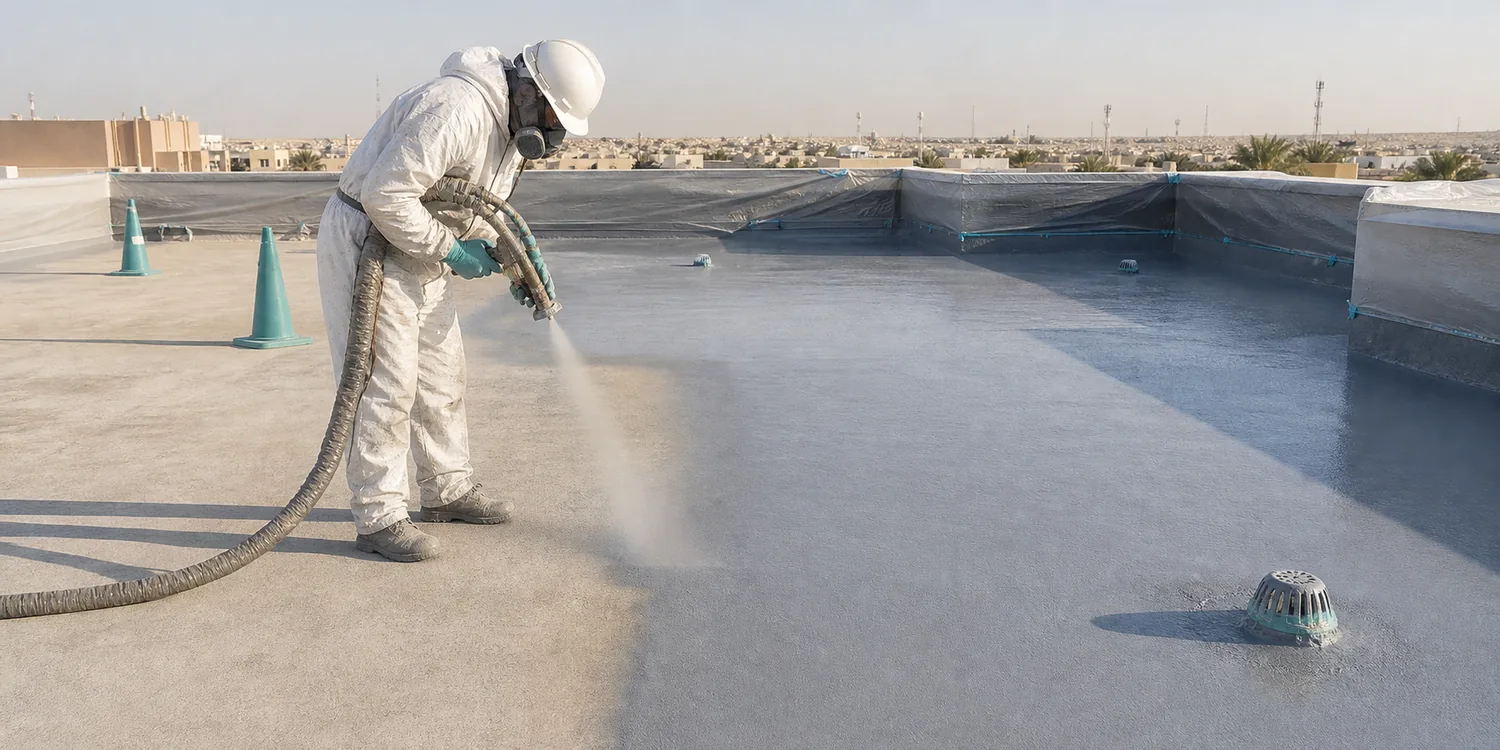
Spray-applied seamless waterproofing membrane
SolidDrops supports polyurea coating inquiries across Saudi Arabia for roof waterproofing, water tank lining, car park deck coating, basement protection, podium decks and containment areas.
Direct answer
Polyurea coating is a spray-applied elastomeric membrane used when a project needs a fast-curing, seamless and durable waterproofing or protective layer. It is commonly reviewed for roofs, tanks, parking decks, basements, podiums, containment areas and wet concrete structures.
The final performance depends on surface preparation, primer compatibility, concrete moisture, spray equipment, membrane thickness, UV or anti-slip topcoat, joint treatment and careful detailing around drains, pipes, parapets and corners.
Project summary
These summary points help consultants, contractors, owners and procurement teams decide whether a polyurea coating review is appropriate before requesting a site assessment or BOQ response.
Polyurea is most useful where the project needs a seamless, fast-curing waterproofing or protective membrane across complex details, wet areas or high-risk concrete surfaces.
The surface must be suitable. Moisture, weak concrete, poor profile, active leaks and wrong primer selection can reduce adhesion and shorten service life.
The fastest review includes photos, drawings, area, substrate, current leakage, water pressure, traffic, chemical exposure and target schedule.
Applications
This page is now focused only on polyurea coating and waterproofing use cases. It does not route the reader into unrelated product categories.
| Area | Where polyurea fits | What SolidDrops checks first |
|---|---|---|
| Roofs and exposed decks | Flat roofs, service roofs, terraces and podium decks where fast cure, details around drains and membrane continuity matter. | Slope, ponding, cracks, UV exposure, parapets, drains, upturn height and final topcoat requirement. |
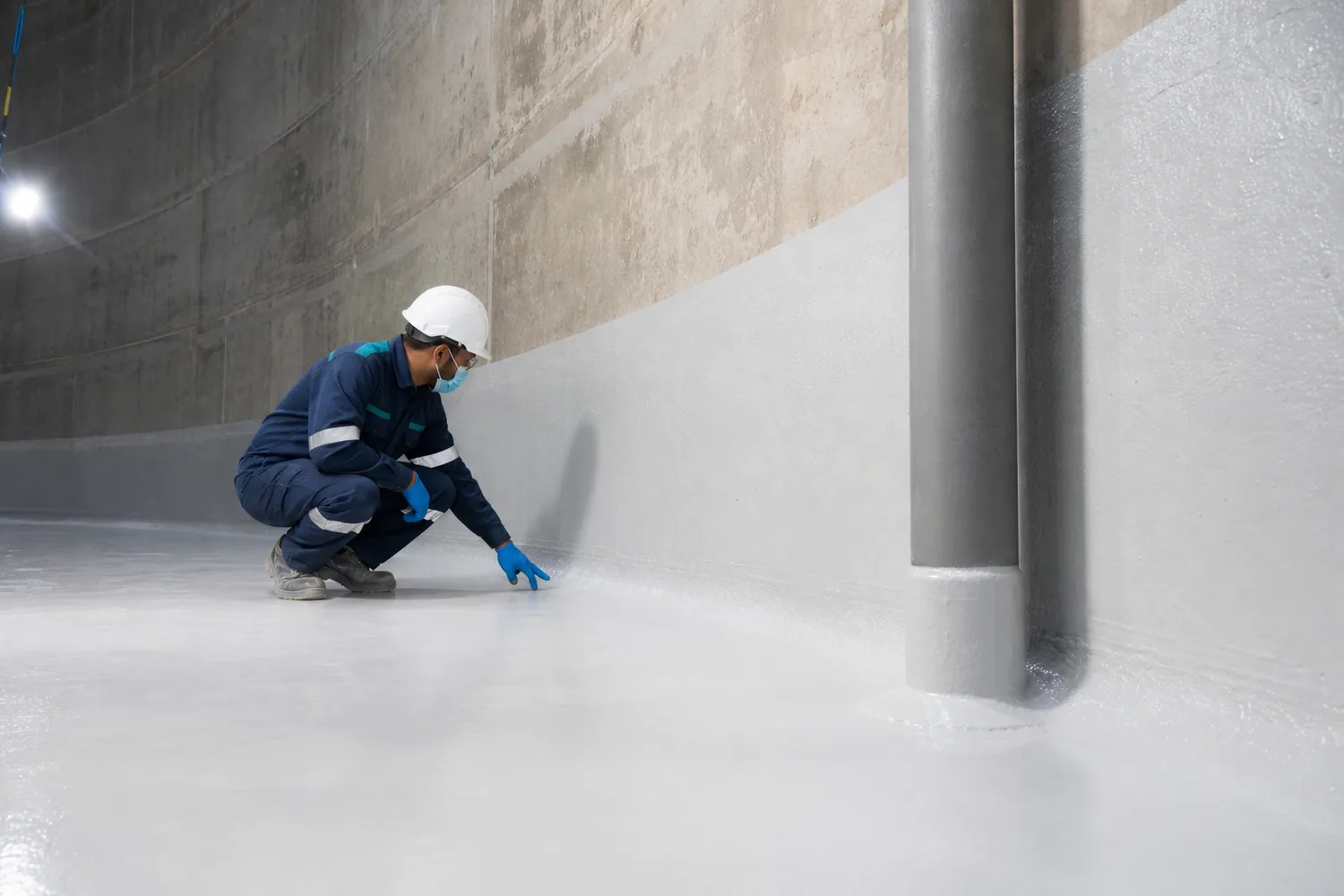
| Water tanks | Concrete or steel tanks that need a continuous lining around wall-floor corners, pipe penetrations and repaired cracks. | Water contact requirement, tank cleaning, surface dryness, ventilation, primer compatibility and whether potable-water suitability is required. |
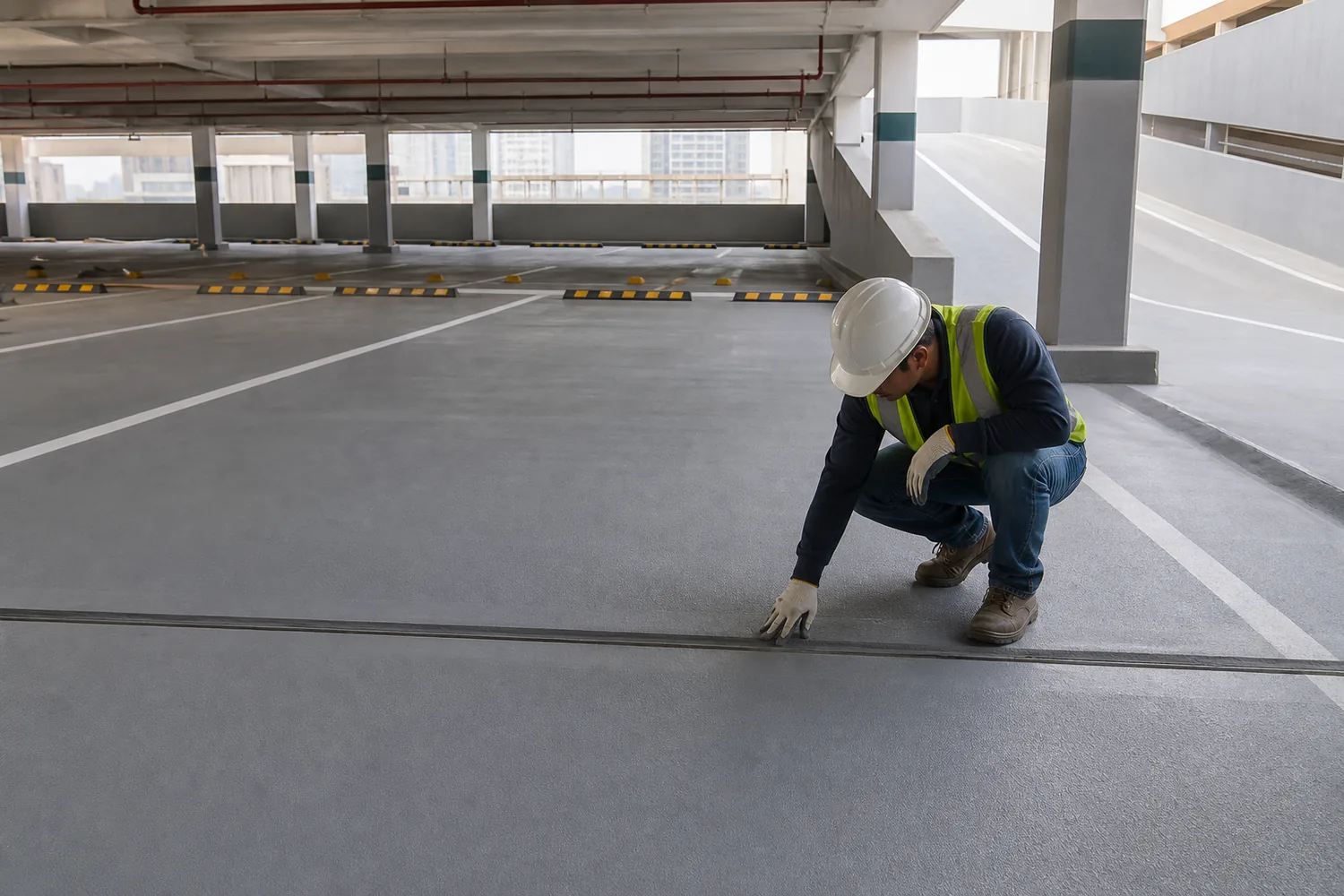
| Car parks and ramps | Parking decks, ramps, podium car parks and traffic zones that need waterproofing below vehicle use and edge protection. | Traffic load, anti-slip finish, joint movement, ramp slope, tyre heat, turning zones and protection from mechanical damage. |
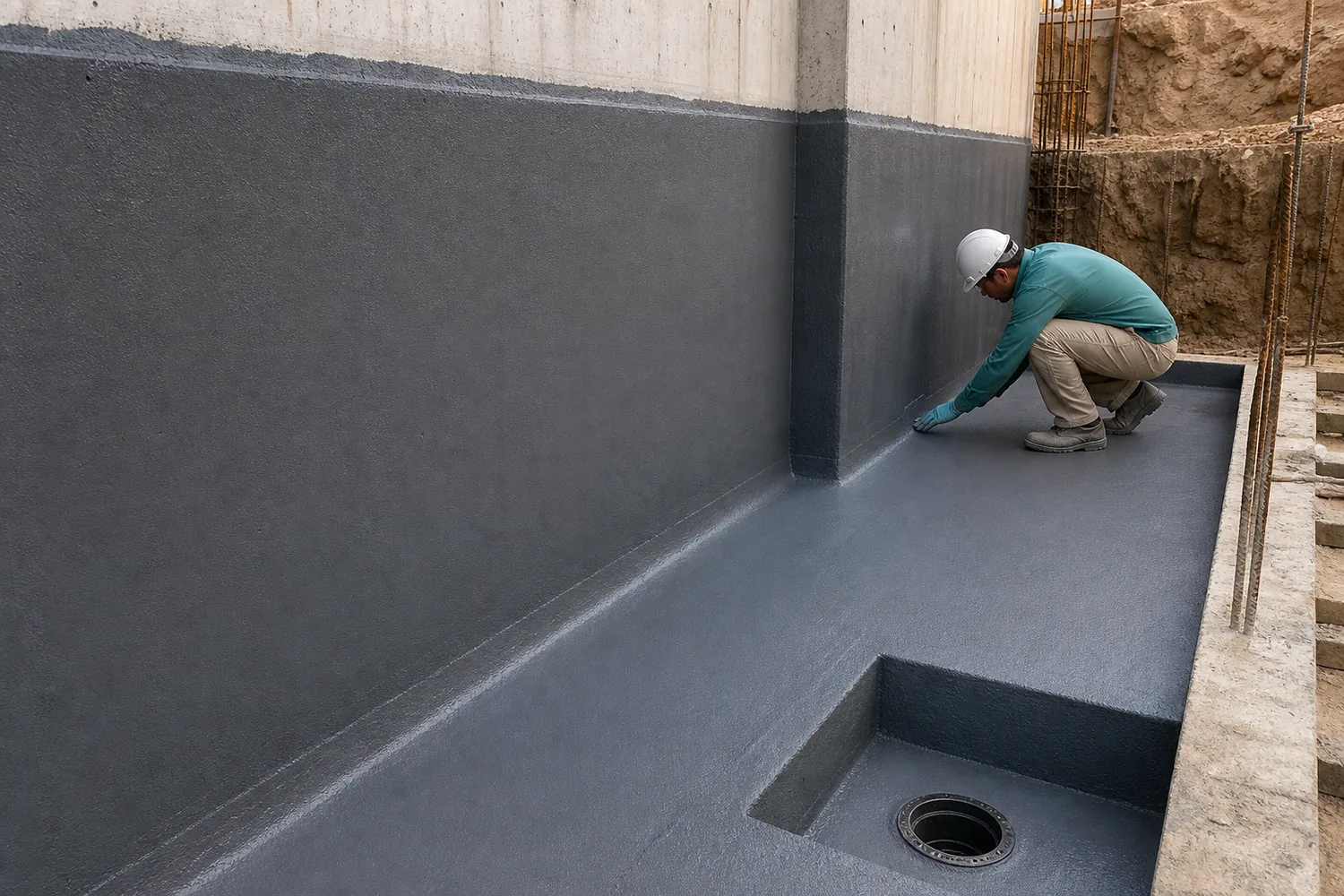
| Basements and foundations | External retaining walls, basement slab transitions, lift pits and below-grade concrete where the membrane must be continuous before protection/backfill. | Positive-side access, hydrostatic pressure, cracks, water stops, protection board, drainage path and termination detail. |
| Containment and plant areas | Bunds, equipment bases, process areas and washdown spaces where a seamless coating can support containment and concrete protection. | Chemical exposure, temperature, immersion risk, cleaning method, edge detailing and repair history. |
| Pools, fountains and wet structures | Selected wet structures where polyurea is specified as a waterproofing layer under the chosen finish or protection layer. | Water pressure, compatible finishes, movement joints, substrate moisture and test requirements. |
Selection matrix
Polyurea coating selection should start with the area, exposure and failure risk, not only the product name. The matrix below helps project teams ask the right questions before quotation.
| Project condition | Polyurea fit | Critical checks before quotation |
|---|---|---|
| Roof deck with drains and parapets | Use polyurea when the brief needs a seamless membrane across the field area, upturns, scuppers, drains and repaired cracks. | Prioritize slope correction, dry substrate, primer, drain detailing, UV-stable finish and access around rooftop equipment. |
| Water tank or reservoir lining | Use polyurea when the tank requires continuous waterproof lining around corners, floor-wall junctions and pipe sleeves. | Confirm water type, cleaning method, ventilation, holiday testing, immersion suitability and product approval before selection. |
| Car park deck or ramp | Use polyurea when waterproofing, rapid cure and surface protection need to work around vehicle movement and joint details. | Check traffic zones, turning stress, ramp slope, anti-slip finish, protection layer, movement joints and tyre heat exposure. |
| Basement retaining wall | Use polyurea on the positive side where the wall can be prepared, coated, protected and drained before backfill. | Confirm access, water pressure, crack repair, termination height, protection board, drainage layer and backfill method. |
| Containment bund or plant area | Use polyurea when a seamless coating must protect concrete from water, selected chemicals and frequent cleaning. | Confirm chemical list, temperature, immersion duration, edge height, equipment bases, drain points and maintenance access. |
Advantages
Polyurea is not a one-size-fits-all coating. Active leaks, damp concrete, weak substrate, negative-side pressure, poor profile, incompatible primer, missing topcoat or bad edge details can reduce performance. SolidDrops reviews the project condition before recommending a direction.
Specification checks
For consultant review and clearer project decisions, the page now answers the practical questions buyers ask before sending an inquiry.
| Check | Why it matters |
|---|---|
| Substrate | Concrete or steel must be sound, clean, profiled and compatible with the primer. Weak concrete, laitance and old failed coating should be removed before application. |
| Moisture | Polyurea work needs a clear moisture strategy. Damp concrete, active leaks, condensation and dew point risk can cause adhesion problems. |
| Edges and penetrations | Drains, pipe sleeves, parapets, corners, upturns, joints and terminations decide long-term waterproofing performance. |
| Thickness | The required film thickness depends on exposure, movement, traffic, immersion and project specification. Thickness should be checked during application. |
| Topcoat | Exposed roofs and traffic areas may need a UV-stable or anti-slip finish over the selected polyurea build-up. |
| Testing and handover | Visual inspection, detail checks, thickness records, adhesion checks or water testing may be required depending on the project. |
Quality controls
A professional polyurea coating package should control the site conditions, not only the spray application. In site reviews, polyurea coating failure causes moisture primer thickness and surface profile issues to be checked together before spray work starts. These checks reduce avoidable leakage, blistering, weak adhesion and early repair risk.
| Risk | Why it matters | Control before handover |
|---|---|---|
| Moisture or dew point risk | Moisture trapped under the membrane can affect adhesion, cause blistering or reduce service life. | Check substrate moisture, weather window, condensation risk and dew point before primer and spray work. |
| Weak or contaminated concrete | Dusting concrete, laitance, oil, curing compounds or old failed coatings can prevent a strong bond. | Mechanically prepare the surface, remove loose material, clean contaminants and repair defects before coating. |
| Poor detail treatment | Most leaks start at drains, corners, pipe sleeves, joints, parapets and terminations rather than the middle of the slab. | Build detail drawings or site sketches for all penetrations, upturns, joints and edge terminations before application. |
| Wrong finish for exposure | A membrane that works under protection may need a different finish when exposed to sun, traffic or abrasion. | Specify UV-stable topcoat, anti-slip broadcast, protection layer or traffic finish where the exposure requires it. |
| No inspection records | Without thickness, adhesion or detail checks, it is harder to confirm the installed system matches the requirement. | Record substrate condition, primer use, film thickness, detail photos, test results and handover notes. |
Installation process
The exact method statement depends on the selected system and project condition, but most successful polyurea coating work follows this sequence.
Review drawings, photos, leakage history, use area, traffic, water contact and target schedule.
Check concrete strength, cracks, dusting, contamination, moisture and previous coating failure.
Clean, grind or blast the surface, repair defects, treat cracks and mask sensitive areas.
Apply compatible primer and prepare corners, drains, pipe sleeves, upturns, joints and terminations.
Spray the polyurea membrane to the specified thickness with the correct equipment and site controls.
Add topcoat or anti-slip finish when required, inspect details, record checks and issue maintenance guidance.
Saudi Arabia coverage
SolidDrops supports project inquiries all over Saudi Arabia, including Jeddah, Riyadh, Dammam, Jubail, Makkah, Madinah and Tabuk. Send the location, area, photos and drawings so the team can review the right polyurea scope.
Saudi heat, dust, UV exposure, roof movement, tank ventilation, parking traffic and basement water pressure all affect the final coating system. These conditions should be reviewed before a quotation or BOQ response is finalized.
Use this polyurea waterproofing inquiry checklist for consultants and procurement teams before sending photos, drawings or BOQ details.
Local project intent
Search demand changes by city and project type. The same polyurea page now covers roof, tank, basement, car park and industrial containment intent across major Saudi project locations.
| City or region | Common polyurea inquiry patterns |
|---|---|
| Riyadh | High heat, roof movement, tank rooms, basements, commercial roofs and car park decks. |
| Jeddah | Humidity, coastal exposure, service roofs, water tanks, podium slabs and basement leakage concerns. |
| Dammam and Jubail | Industrial containment, plant areas, utility rooms, concrete tanks and traffic deck waterproofing. |
| Makkah and Madinah | Hotel, commercial, service roof, water tank, podium and maintenance shutdown scopes. |
| Tabuk and wider KSA | Project-by-project review for roof decks, basements, tanks, ramps and infrastructure waterproofing. |
Project coverage
SolidDrops reviews spray polyurea waterproofing, roof coating, tank lining, parking deck coating, basement protection, containment lining, membrane thickness, primer selection, surface preparation and Saudi project conditions as part of the project discussion.
Technical notes
Current industry references consistently emphasize the same themes: polyurea can be valuable for complex waterproofing, but surface preparation, moisture control, detail treatment, thickness and inspection remain decisive.
| Topic | Practical takeaway |
|---|---|
| Versatile waterproofing uses | Industry references describe polyurea use across tanks, parking garages, reservoirs, tunnels, decks and difficult waterproofing projects. |
| Surface preparation | Surface preparation, moisture control, cleaning, old coating removal, surface profile and primer selection are repeatedly identified as performance-critical. |
| Application speed | Polyurea systems are commonly selected for fast cure and rapid return-to-service requirements, but preparation and inspection still control the final result. |
| Inspection | Thickness checks, adhesion checks, holiday or spark testing for lining work, and detail records can be required depending on specification. |
FAQ
Polyurea coating can be reviewed for roofs, water tanks, car parks, podium decks, basements, retaining walls, containment areas, service decks and selected wet structures. The right build-up depends on substrate, exposure, water pressure, traffic and detailing.
Polyurea can be used for some tank-lining applications when the selected system, primer, surface preparation and water-contact requirements are suitable. For potable water tanks, the exact product approval and project specification must be checked before selection.
Yes, polyurea can support parking deck waterproofing when it is detailed correctly around joints, ramps, drains and edges. A traffic, anti-slip or protective finish may be required depending on vehicle movement and exposure.
Polyurea is strongest when it can be applied on the positive side of the structure, such as external retaining walls before protection and backfill. Negative-side seepage, active leaks and hydrostatic pressure need careful assessment before any coating is selected.
Spray polyurea is known for very fast cure and fast return to service, but actual handover depends on surface preparation, primer cure, thickness, detail work, inspection and any protection or topcoat required.
Cost depends on area, surface condition, access, preparation method, crack repair, primer, thickness, number of details, topcoat, testing, shutdown limitations and whether the work is a roof, tank, basement or parking deck.
Send the city, photos, drawings or BOQ, approximate area, current substrate, exposure, water pressure or leakage history, traffic, tank use if relevant, and target schedule. These details help route the inquiry faster.
SolidDrops supports polyurea coating inquiries across Saudi Arabia, including Jeddah, Riyadh, Dammam, Jubail, Makkah, Madinah and Tabuk.
The best preparation depends on the substrate, but the surface usually needs cleaning, removal of weak or contaminated material, mechanical profiling, crack repair, moisture checks and compatible primer before spraying.
Exposed roof and traffic areas may need a UV-stable, anti-slip or protective topcoat depending on sun exposure, abrasion, foot traffic, vehicle movement and the selected system.
Polyurea can provide crack-bridging behavior when the correct build-up is specified, but active cracks, structural movement and expansion joints need separate review and detail treatment.
Inspection may include visual checks, wet or dry film thickness records, adhesion testing, detail photos, water testing, spark or holiday testing for lining work and final handover notes.
Only after the old coating is inspected. Loose, contaminated or incompatible coating should be removed, and any retained coating must be checked for adhesion and compatibility before primer or polyurea application.
Common causes include poor surface preparation, moisture, wrong primer, insufficient profile, weak concrete, missed details, incorrect thickness, unsuitable exposure finish and missing inspection controls.
This page is focused on polyurea coating and waterproofing for roofs, tanks, car parks, basements, podiums and containment areas.
Send photos, drawings or BOQ with city, area, substrate, exposure and target schedule.
 Chat Online
Use this feature to chat with our agent.