Vinyl Flooring: Complete Guide to LVT, PVC Plank, Vinyl Flooring Tile, ESD, Hospital & School Floors

Vinyl Flooring: Complete Guide to LVT, PVC Plank, Vinyl Flooring Tile, ESD, Hospital & School Floors plank, vinyl flooring tile, ESD vinyl flooring, hospital flooring, and school flooring—installation, maintenance, cost, and buying checklist." />

Guide Specification Installation Focus keyword: vinyl flooring

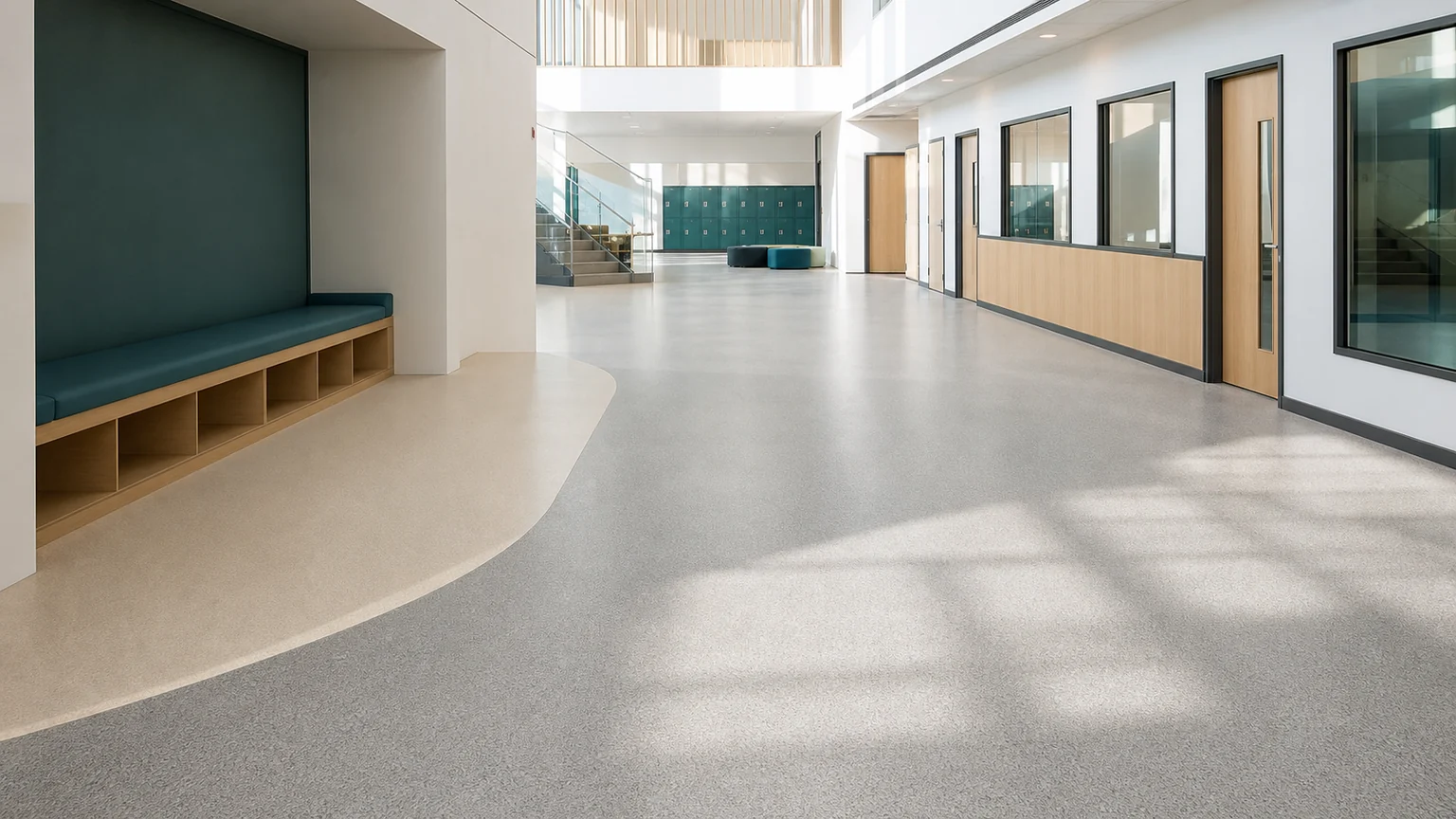
LVT wood‑look vinyl flooring in a bright school corridor with wayfinding patterns
Illustrative image: LVT/PVC plank wood‑look surface in an education corridor. Use descriptive image alt text for SEO.

Vinyl Flooring: The Complete Buyer’s & Specifier’s Guide to LVT, PVC Plank, Vinyl Flooring Tile, ESD Options, Hospital & School Flooring

If you’re exploring vinyl flooring for a home, clinic, classroom, corridor, lab, or retail floor, you’re in the right place. In this comprehensive guide, we’ll demystify LVT, PVC plank, and vinyl flooring tile, explain where ESD vinyl flooring fits, and walk through the unique requirements of hospital flooring and school flooring. You’ll find plain‑English guidance, step‑by‑step installation advice, and a buying checklist that keeps you on budget without sacrificing performance or design.

Understanding Vinyl Flooring: Core Concepts & Key Terms

Vinyl flooring is a resilient surface made primarily from polyvinyl chloride (PVC) with layers engineered for stability, design, and wear. Think of it like a lasagna for your feet: a stable base, a decorative layer that gives you the wood or stone look, and a tough wear layer on top that takes the abuse. Because it’s manufactured, the possibilities for patterns, textures, and performance tweaks are almost endless, which is why you see it in homes, offices, hospitals, and schools alike.

What is vinyl flooring?

At its simplest, vinyl flooring is a multi‑layer composite. The core gives it strength, the print film delivers the design, and the clear wear layer protects everything from scuffs, stains, and micro‑scratches. Some products add acoustic backings for quieter rooms or antimicrobial treatments for cleaner surfaces. You’ll find glue‑down formats for heavy‑duty spaces and floating click systems for faster installs. The result is a surface that’s comfortable underfoot, easy to clean, and visually convincing in wood, stone, terrazzo, or abstract looks.

LVT, PVC plank, and vinyl flooring tile—how they differ

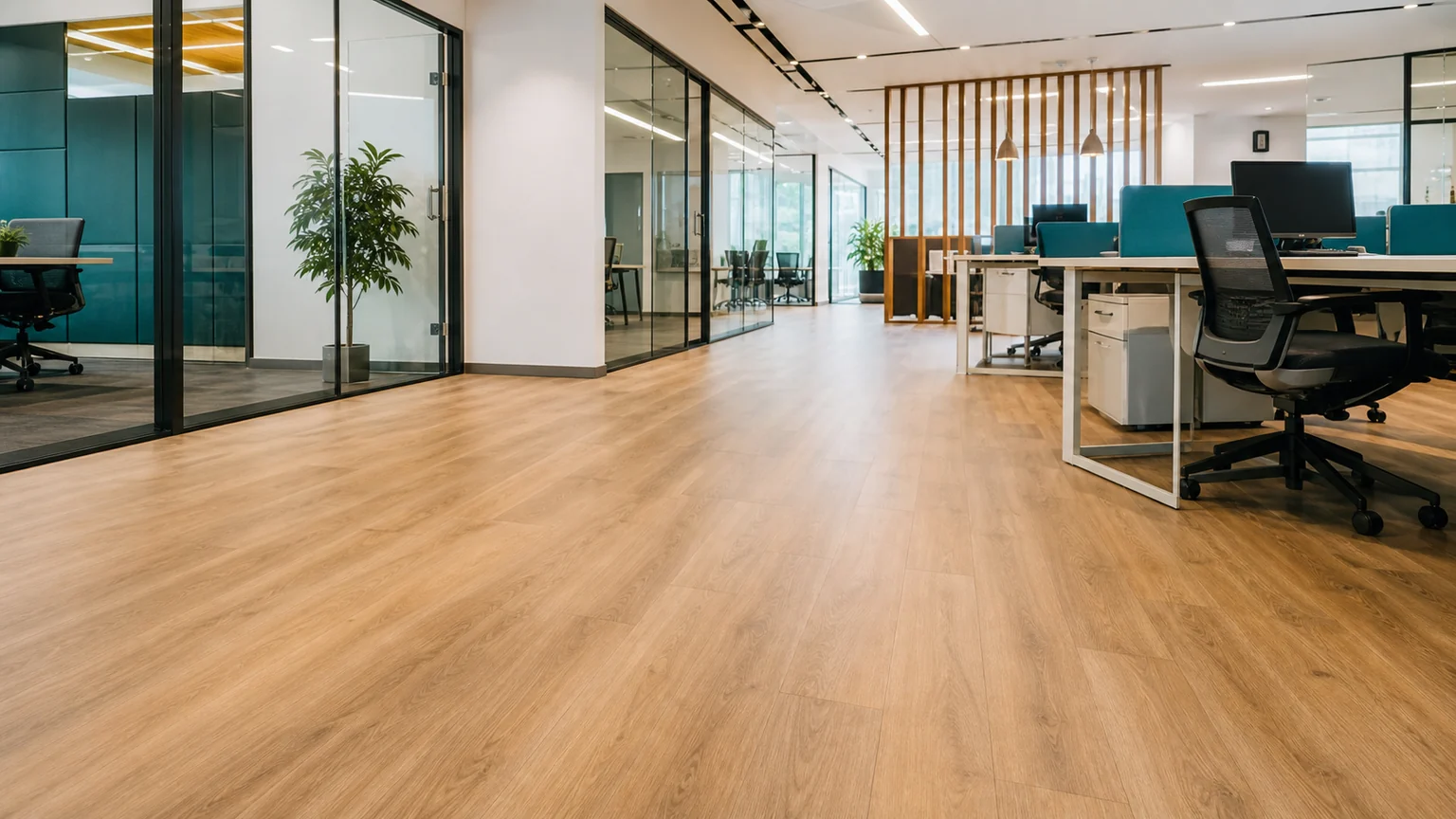
LVT stands for luxury vinyl tile, and despite the name, it comes in both tile and plank formats. It’s prized for high‑definition visuals and realistic embossing that matches the print for a “registered” texture. PVC plank typically refers to plank‑shaped vinyl boards (often called “vinyl plank flooring”), popular for wood‑look designs and quick installations. Vinyl flooring tile usually points to square pieces—think classic 12×12 or modern large‑format tiles—ideal for checkerboards, stone‑looks, or modular layouts that are easy to repair by swapping a single tile.

Rigid cores (SPC/WPC) and sheet vinyl at a glance

Within the vinyl family, you’ll also hear about rigid cores like SPC (stone‑plastic composite) and WPC (wood‑plastic composite). SPC tends to be denser and more impact‑resistant, while WPC can feel softer underfoot. Both are often used with click‑together floating installs, which minimize downtime. Sheet vinyl, by contrast, is a roll‑good that excels at seamless rooms, especially in healthcare where fewer seams can mean fewer places for dirt and microbes to hide. Deciding among these depends on your traffic, moisture, and maintenance realities.

Benefits & Limitations of Vinyl Flooring

When you choose vinyl flooring, you get a potent combination of design freedom, durability, and practicality. It handles moisture better than many traditional materials, stands up to busy households and commercial corridors, and offers excellent value. That’s why LVT, PVC plank, and vinyl flooring tile have become go‑to solutions for renovations where speed and reliability really matter.

Where vinyl flooring shines for homes and businesses

The big advantages are waterproof performance in most product categories, easy cleaning, and highly convincing visuals that mimic wood and stone without the maintenance headaches. In commercial spaces, glue‑down LVT can handle rolling loads, foot traffic, and frequent cleaning. In homes, PVC plank with click systems can transform a space over a weekend. For design‑driven projects, vinyl flooring tile makes it simple to create patterns, borders, and wayfinding cues without custom fabrication.

Practical limitations and when to consider alternatives

No material is perfect. Some floating vinyl products don’t love extreme heat or prolonged sun exposure and may expand or fade, especially behind big south‑facing windows without shades. Heavy point loads can indent softer cores, and very uneven subfloors telegraph through thinner tiles. If your space sees forklift traffic, welding slag, or high‑heat spills, consider heavier commercial vinyl, rubber, or even polished concrete. The key is matching the exact product—LVT, PVC plank, or vinyl flooring tile—to the way the space is really used.

ESD Vinyl Flooring (Electrostatic Discharge)

ESD vinyl flooring controls the static electricity that can build up as we walk and move. In electronics manufacturing, server rooms, device repair benches, and labs, a tiny electrostatic discharge can damage components or corrupt data. ESD floors create a controlled, low‑resistance pathway that gently dissipates static to ground, preventing sudden, damaging zaps while people work and equipment hums along.

How ESD vinyl flooring works and where it’s used

An ESD vinyl flooring system contains conductive elements—often carbon or metalized content—within the tile or sheet. When properly installed and grounded, the floor shuttles static safely to earth. You’ll see ESD categories called static dissipative and conductive, with different resistance ranges measured in ohms; your application (for example, sensitive assembly lines versus general electronics areas) determines which range is appropriate. Common use cases include PCB assembly, cleanrooms, clinics with sensitive imaging devices, and data centers.

Specifying, installing, and maintaining ESD systems

Success with ESD vinyl flooring depends on the whole system: the floor material, a conductive adhesive, grounding points (often via copper tape), and periodic testing to verify performance. Subfloors must be clean, dry, and smooth, because contamination or moisture can break the conductive path. Maintenance requires ESD‑safe cleaners and finishes if finishes are used at all, plus regular verification with handheld meters. Treat ESD like a safety system—design it, install it, and maintain it with the same rigor you would a fire alarm.

Hospital Flooring: What Healthcare Environments Really Need

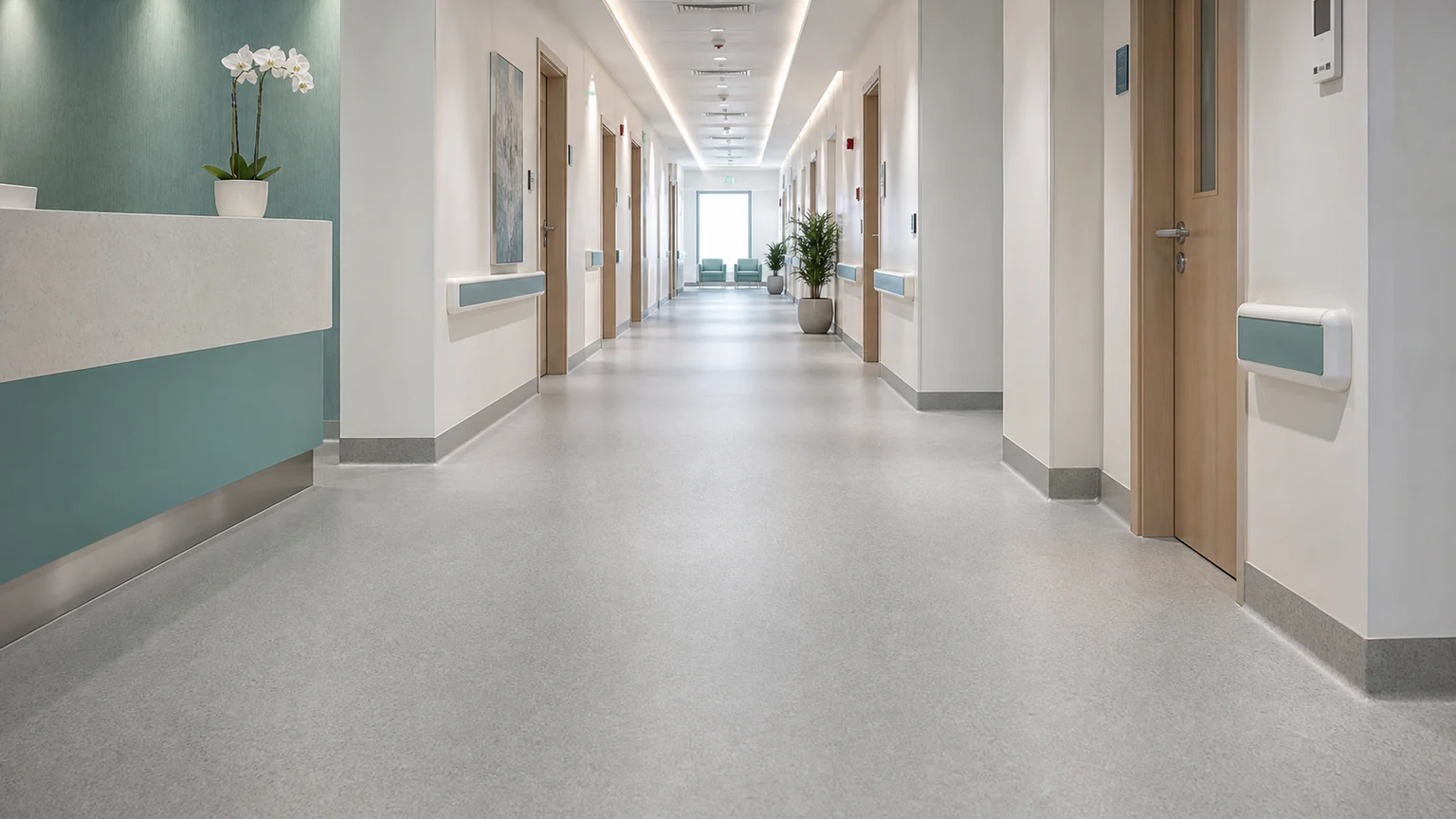
Hospital flooring must juggle infection control, cleaning frequency, rolling loads, slip resistance, and staff comfort, all while supporting wayfinding and a calm patient experience. Vinyl is a staple in healthcare because sheet formats reduce seams, finishes are designed to tolerate disinfectants, and colors can be tuned to create soothing, legible spaces from ICU to imaging.

Infection control, seams, coving, and cleanability

Seams are potential weak points in any healthcare floor. Heat‑welded seams on sheet vinyl and coved skirting that curves the floor up the wall create cleanerable junctions that help keep pathogens at bay. Scrubbable wear layers stand up to hospital‑grade disinfectants, and homogeneous products simplify stain recovery after spills. The right hospital flooring specification includes chemical resistance, stain recovery, and a maintenance protocol that won’t degrade the wear layer or dull the finish over time.

Comfort, acoustics, and wayfinding with vinyl

Hospitals are noisy and hard‑working. Acoustic backings under vinyl flooring reduce footfall noise and create a more restful environment, especially in patient corridors and recovery areas. Slip‑resistant textures in wet rooms support staff safety, and color‑blocked vinyl flooring tile patterns make wayfinding intuitive so patients and visitors know exactly where to go. Consider brighter, uplifting palettes near pediatrics and more muted tones in oncology and ICU for a supportive environment that respects clinical needs.

Daily maintenance realities in clinical spaces

A hospital’s maintenance team needs floors that clean fast and predictably. Vinyl answers with smooth, non‑porous surfaces that resist stains and tolerate auto‑scrubbers. The best programs pair microfiber dusting, pH‑neutral cleaners, and occasional restorative maintenance to keep finishes clear and bright. When you specify hospital flooring, make sure the cleaning chemicals your team already uses are compatible; consistency prevents cloudy finishes and protects the warranty.

School Flooring: Durable, Quiet, Safe

School flooring experiences everything from sneakers to science experiments. Vinyl delivers durability for corridors and classrooms, supports fun colors for learning zones, and keeps custodial teams sane with straightforward cleaning. Whether you choose glue‑down LVT for busy hallways or cushioned PVC plank in media centers, the key is selecting wear layers and construction designed for youthful energy and long days.

Traffic, impact, and long‑term durability

Kids drop backpacks, slide chairs, and roll carts. Your school flooring specification should include a robust wear layer, scuff and scratch resistance, and if possible, textures that camouflage minor scuffs between cleanings. Modular vinyl flooring tile makes targeted repairs easy—replace a few tiles near the water fountain and move on. In entry vestibules, consider walk‑off zones and protective mats to capture grit before it hits the main corridors.

Noise control and student comfort

Acoustics impact focus. Vinyl with an acoustic underlayment reduces footfall noise and reverberation, improving speech intelligibility in classrooms. A touch of resilience also eases fatigue for teachers who stand all day and offers a comfortable underfoot feel for younger students sitting on the floor during story time. When you choose LVT or PVC plank for learning spaces, look for products with published acoustic ratings to support your design intent.

Budgets, schedules, and procurement tips

School timelines are unforgiving—there’s summer, and then there’s “too late.” Plan your school flooring delivery and acclimation windows early, confirm adhesive availability, and book installers before the rush. For budgets, consider total cost of ownership: a slightly higher‑grade wear layer can avoid mid‑life replacement. If you bid through cooperative purchasing or open spec, call out performance criteria clearly so you don’t end up with a visually similar but less durable substitute.

LVT vs PVC Plank vs Vinyl Flooring Tile: Head‑to‑Head

Choosing among LVT, PVC plank, and vinyl flooring tile is less about the name and more about the job to be done. Each format offers specific installation, design, and maintenance advantages, and the smartest choice aligns with how your space truly behaves—from moisture and traffic to rolling loads and cleaning schedules.

Performance and durability in real‑world use

Glue‑down LVT is a workhorse for commercial corridors, clinics, and retail because it resists movement under rolling loads and feels solid. PVC plank with click systems speeds residential and light‑commercial projects, and rigid cores (SPC/WPC) can bridge minor subfloor imperfections. Vinyl flooring tile shines in modular repairs and pattern play. If you expect heavy rolling loads, lean toward glue‑down; if speed and DIY are priorities, click plank may be the hero.

Aesthetics, formats, and design flexibility

All three deliver high‑fidelity wood and stone looks, but LVT often leads in hyper‑realistic visuals and registered embossing. PVC plank screams “wood floor” with long, varied boards that make rooms feel larger. Vinyl flooring tile is your ticket for checkerboards, herringbone, or large‑format stone. Layer in borders, insets, and custom cuts for wayfinding or branding without the custom pricing you’d expect with natural materials.

Cost and total cost of ownership (TCO)

Materials span a wide range, and installation method shifts your budget too. Floating PVC plank saves on adhesive and labor but may not be ideal for heavy carts. Glue‑down LVT can cost more upfront yet win on longevity under abuse. Vinyl flooring tile excels in easy repairs, which helps TCO. Look beyond the carton price: factor prep, trims, transitions, maintenance chemicals, and the value of avoiding mid‑life patchwork.

Installation Guide (Step‑by‑Step)

Installing vinyl flooring is part science, part craft. The science is in moisture readings, temperature, and adhesive chemistry; the craft is in layout, cuts, and clean seams. Even when you hire a pro, understanding the steps sets expectations and improves outcomes because you’ll recognize quality work as it happens.

Step 1 — Subfloor testing and prep

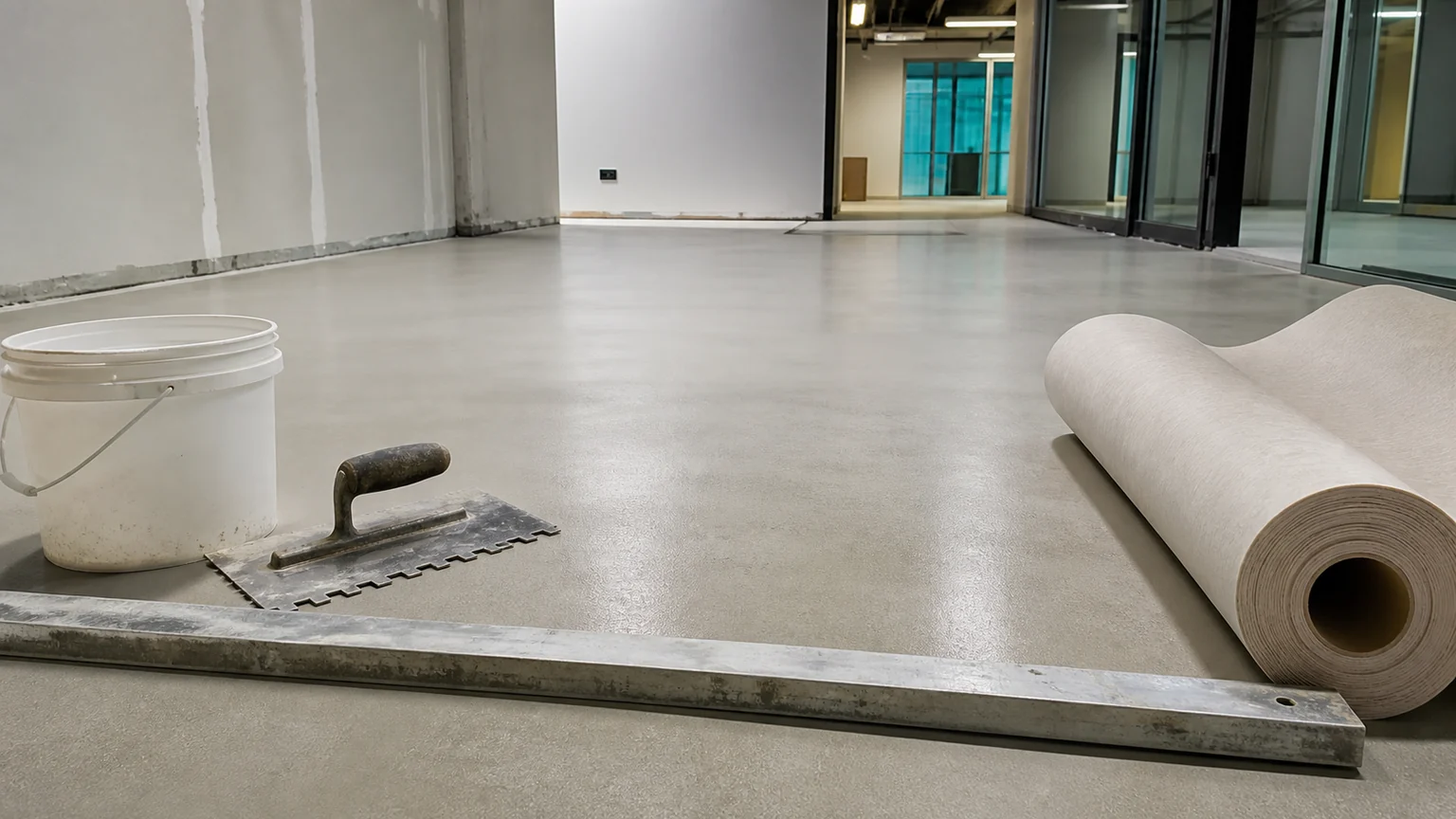
Every great floor starts below the floor. Check moisture in concrete with recognized in‑situ RH or similar tests, verify that wood substrates are dry and sound, and remove waxes, paints, and contaminants. Fix dips and humps with patching compounds and grinding, and vacuum thoroughly. LVT, PVC plank, and vinyl flooring tile are thin and will telegraph imperfections, so aim for a smooth, flat surface that meets your manufacturer’s tolerance.

Step 2 — Acclimation and jobsite readiness

Bring flooring and adhesives into the space and let them acclimate to the room’s temperature and humidity as specified by the manufacturer. Ensure HVAC is operational, windows are in, and wet trades are complete. Stack boxes flat and mix planks or tiles from multiple cartons for color variation. This is also the time to check dye lots and make sure your vinyl flooring all matches before anything hits the floor.

Step 3 — Layout, expansion, and doorways

Snap control lines to square the room and dry‑lay a few rows to see how edges will fall. Avoid sliver cuts at walls by shifting the layout a bit. Undercut door jambs for a clean, professional fit. Floating PVC plank systems need expansion gaps at perimeters and around fixed objects, while glue‑down LVT and vinyl flooring tile generally sit tighter but still need room for transitions, trims, and movement joints where specified.

Step 4 — Cutting, fitting, and transitions

Use sharp blades and straightedges, and swap blades frequently; a dull knife tears wear layers and invites future failure. Scribe irregular walls for a tight fit, and stage your transitions and reducers so heights match perfectly across rooms. Plan ahead for insets or borders so your vinyl flooring tile pattern hits the centerline you intended, not an awkward offset that looks like a mistake.

Step 5 — Adhesives, click systems, rolling, and cure

If you’re installing glue‑down LVT or vinyl flooring tile, follow the adhesive’s trowel notch and open time religiously. Spread, wait until tacky if required, then place tiles, rolling with a 75–100 lb floor roller in two directions for bond. For click PVC plank, lock boards tightly and stagger end joints as specified. Protect the floor during cure; heavy furniture, rolling traffic, or early cleaning can skew seams and compromise adhesion.

Care, Cleaning & Lifecycle Maintenance

The secret to a floor that still looks great years later is simpler than you think: routine, compatible cleaning. Vinyl flooring rewards consistency with long life, and the right tools—dust mops, pH‑neutral cleaners, and gentle pads—keep finishes clear and scratch‑free without adding layers of gummy residue that attract dirt.

Daily/weekly routines that prevent damage

Dry dust or vacuum daily to remove grit before it becomes sandpaper underfoot. Damp mop or auto‑scrub with a neutral cleaner appropriate for LVT, PVC plank, or vinyl flooring tile. Use walk‑off mats at entrances and protective felt or glides under chairs and tables. In classrooms and offices, chair caps and floor savers fight micro‑scratching. The goal is less abrasion, fewer scuffs, and steady clarity in the wear layer.

Periodic deep care, finishes, and stain response

Over time, you may need periodic deep cleaning with slightly stronger solutions or mechanical agitation—always within the product’s guidelines. Some floors feature no‑polish finishes; others benefit from protective treatments in high‑traffic zones. Handle stains quickly: wipe spills, then clean with the manufacturer’s recommended process. Avoid steam mops and high‑alkaline or solvent cleaners that can cloud finishes or weaken adhesive bonds.

Special notes for ESD, hospitals, and schools

ESD vinyl flooring demands ESD‑compatible cleaners and, where used, ESD waxes that don’t insulate the surface. Hospital flooring must tolerate disinfectants without hazing; validate chemical compatibility with your standard hospital cleaners. School flooring thrives on schedule—build simple checklists for custodial teams so every hallway gets the same reliable care, every time. Little habits prevent big replacements.

Cost, Budgeting & Warranty Essentials

Budgeting for vinyl flooring is about more than price per square foot. You also need prep, adhesive, trims, transitions, thresholds, base, and sometimes moisture mitigation. Labor rates vary by region and schedule. When you capture the whole picture, you can compare systems honestly and avoid surprise change orders that blow up timelines.

Typical material and install ranges

Entry‑level residential PVC plank can be very affordable, while commercial‑grade glue‑down LVT and specialized healthcare or ESD vinyl flooring command higher prices due to heavier wear layers, chemistry, and system components. Installation spans from quick floating systems to meticulous glue‑down or heat‑welded seams that take longer. Ask for line‑item bids so you can see exactly what you’re paying for, from patching to baseboards.

What really affects price—and value

Subfloor condition is the sleeper cost: leveling, moisture mitigation, and demo add up fast. Product thickness, wear layer, and brand warranties also move the needle, as do logistics like elevator access and after‑hours work. Value emerges when you weigh lifespan, repairability, and maintenance. A resilient vinyl flooring tile that lets you surgically replace damage can beat a cheaper option that forces full‑room replacement after a few bad scuffs.

Buying Checklist & Mistakes to Avoid

Smart buyers and specifiers ask grounded questions and check samples under real light before signing. They also confirm chemistry, warranty, and maintenance requirements up front so the team stays aligned from the first box opened to the last baseboard installed.

The 10‑point checklist before you buy

  1. Confirm true usage: rolling loads, moisture exposure, sun intensity, and cleaning regimen.
  2. Match wear layer and slip texture to your risk profile and traffic level.
  3. Compare LVT, PVC plank, and vinyl flooring tile samples in daylight.
  4. Choose adhesive or click system and verify transitions, trims, and base details.
  5. Review maintenance instructions and chemical compatibility before purchase.
  6. Plan lead times, installer qualifications, and scheduling windows.
  7. Budget for subfloor prep, moisture mitigation, and primers if needed.
  8. Request line‑item bids to understand all costs transparently.
  9. Check warranties, exclusions, and registration requirements.
  10. Document post‑install care: mats, chair glides, and approved cleaners.

Common pitfalls and how to sidestep them

Avoid underestimating subfloor prep, skipping acclimation, or mixing incompatible cleaners that haze the finish. Don’t place floating PVC plank where heavy carts or high heat will stress the joints. For hospital flooring, don’t specify seams that can’t be welded where hygiene matters most. For ESD vinyl flooring, don’t ignore grounding and verification testing. In schools, don’t forget acoustics—quiet floors teach better.

Helpful links: Consider adding one internal link—for example, vinyl flooring installation services—and one external link to a neutral resource such as the EPA’s Indoor Air Quality page to satisfy RankMath’s internal/external link checks.

SEO Implementation Notes (RankMath‑Ready)

For optimal discoverability, use “vinyl flooring” as your focus keyword and include key variations like ESD vinyl flooring, hospital flooring, school flooring, LVT, PVC plank, and vinyl flooring tile throughout headings and body copy naturally. Craft an SEO title such as “Vinyl Flooring: Complete Guide to LVT, PVC Plank, Vinyl Flooring Tile, ESD, Hospital & School Floors.” Write a meta description around 150–160 characters that promises value (e.g., installation tips, comparisons, and checklists). Place the primary keyword in the first paragraph, in at least one H2, and sprinkled semantically elsewhere. Add relevant internal links (services, portfolio) and one reputable external resource. Use descriptive image alt text like “LVT wood‑look vinyl flooring in school corridor.” Include the FAQ section below and consider FAQ schema (already embedded) for rich results.

Conclusion

Vinyl flooring earns its reputation by doing the quiet, everyday work of resisting spills, rolling carts, and busy feet while still looking like the floor you dreamed up in your mood board. Whether you choose LVT, PVC plank, or vinyl flooring tile, and whether you’re outfitting a living room, an ICU, or a third‑grade classroom, the formula for success stays simple: match the product to the job, install it correctly, and maintain it consistently. Do that, and you’ll get a floor that performs beautifully for years.

FAQs

1) Is LVT the same as vinyl plank, and when should I choose one over the other?

LVT is a category—luxury vinyl tile—that includes both tile and plank formats, while PVC plank usually refers to the plank shape specifically. Choose LVT glue‑down for high‑traffic commercial spaces with rolling loads and frequent cleaning. Opt for click PVC plank when speed, lower prep, and DIY‑friendly installation are priorities, particularly in residential or light‑commercial rooms with stable temperatures.

2) Can vinyl flooring go in kitchens, bathrooms, and basements?

Yes, most vinyl flooring is water‑resistant or waterproof and is a great fit for kitchens and bathrooms when installed correctly. In basements, moisture testing and proper subfloor preparation are crucial before using LVT, PVC plank, or vinyl flooring tile. Floating systems may benefit from vapor barriers, while glue‑down options need adhesives designed for the moisture profile of the space.

3) What makes ESD vinyl flooring different from regular vinyl?

ESD vinyl flooring contains conductive pathways that safely dissipate static electricity to ground, protecting sensitive electronics and equipment. It’s installed as a system—conductive adhesive, grounding points (often copper tape), and routine verification tests—to ensure it performs within the required resistance range. Regular vinyl doesn’t provide that controlled static pathway, so it isn’t suitable for ESD‑critical spaces without additional measures.

4) How do I keep hospital and school vinyl floors looking new?

For hospital flooring, pair daily dust removal with compatible disinfectants and periodic deep cleaning that preserves the wear layer’s clarity. For school flooring, consistent routines with microfiber dust mops, pH‑neutral cleaners, and chair glides prevent premature wear. In both settings, entrance mats trap grit, and prompt spill cleanup avoids stains. Following the manufacturer’s maintenance guide protects the finish and the warranty.

5) What thickness and wear layer should I look for?

There’s no one‑size‑fits‑all number, because performance depends on construction quality, not just thickness. For busy commercial areas, a thicker wear layer on LVT or vinyl flooring tile often pays off in fewer replacements and easier maintenance. In homes, modest wear layers on PVC plank can be more than sufficient. Prioritize reputable brands with published performance data and warranties, then match those specs to your traffic and cleaning realities.


Chat Online
1