
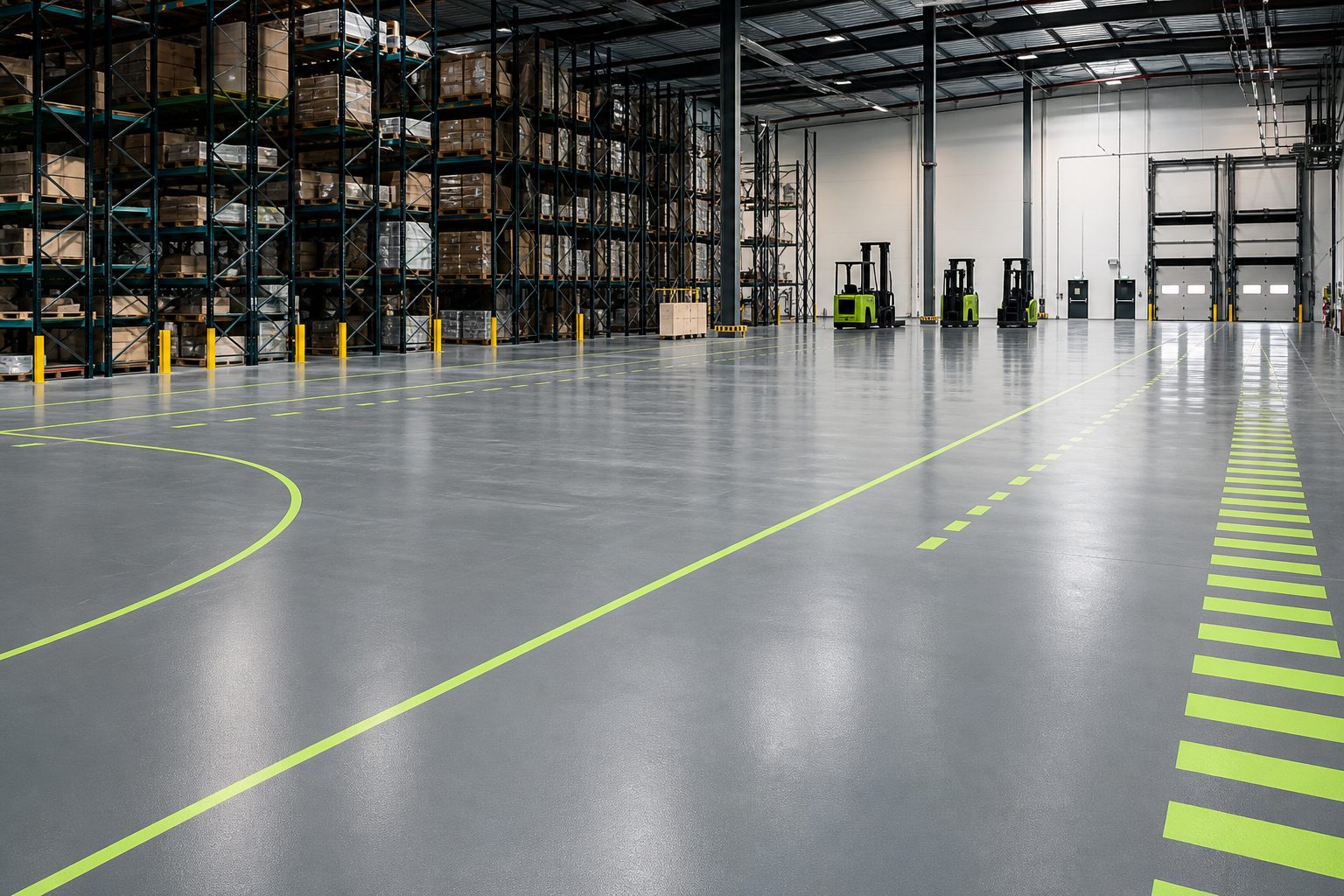
Wheel paths reveal the real duty
Logistics & warehousing
Turning circles, braking points and pallet-drop areas usually need more attention than the straight aisle. Zone the floor specification around how traffic actually moves.
Industrial flooring decision guide
Use this comparison guide to identify the operating conditions that should drive the system choice before a detailed specification or quotation is prepared.
Epoxy, polyurethane, PU-cement and joint systems selected around traffic, chemistry, temperature, hygiene and downtime—not a generic coating name.
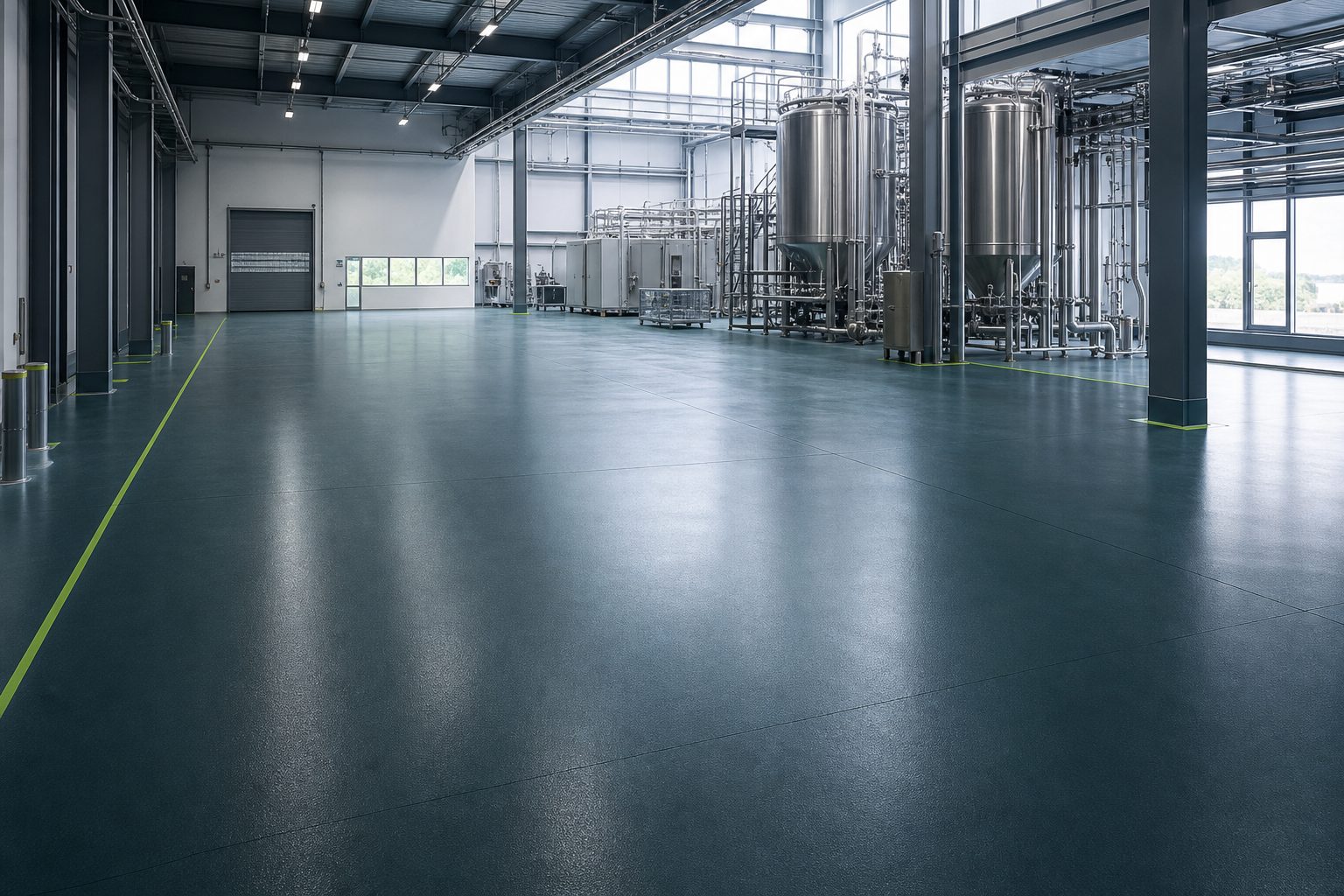
The best system is the lowest-risk match for the site—not the thickest or most expensive option.
Dry warehouse: start with epoxy paint or self-levelling epoxy.
Hot washdown: shortlist PU-cement / polyurethane screed.
Heavy impact: assess epoxy mortar, screed or a heavy-duty composite build.
Exterior / UV: consider a compatible UV-stable PU finish.
Moving joints: keep them expressed with a designed joint system.
Each page states where the system fits, where it does not, what the proposal must include and what questions a buyer should ask.
A thin-film resin coating for dust control, colour zoning and light-to-medium industrial traffic on sound concrete.
View systemA flow-applied resin floor for clean, continuous finishes in production, healthcare support, laboratories and commercial facilities.
View systemAggregate-filled, trowel-applied epoxy for restoring worn concrete, forming falls and resisting concentrated mechanical loads.
View systemA cementitious polyurethane floor for wet processing, thermal cycling, food production and aggressive cleaning environments.
View systemA performance-led floor build for forklift routes, impact zones, chemical exposure and continuous industrial operations.
View systemBonded repair and fairing for cracks, blowholes, edges, coves and local defects before the flooring system is applied.
View systemProduct-specific polyurethane concrete systems considered for high-temperature, chemical and hygiene-critical industrial areas.
View systemBrand-led resin flooring evaluation for heavy-duty, hygienic, decorative and specialist project requirements.
View systemFlexible or rigid joint materials selected for movement, traffic, chemicals, hygiene and the geometry of the joint.
View systemPolyurethane finish coats used to add colour stability, abrasion resistance, cleanability or a controlled gloss over compatible systems.
View systemJoint covers, nosing, sealants and resin transitions designed around structural movement and wheeled traffic.
View systemThese are not portfolio claims. They are visual decision guides showing the conditions that should shape the first technical conversation.
Turning circles, braking points and pallet-drop areas usually need more attention than the straight aisle. Zone the floor specification around how traffic actually moves.
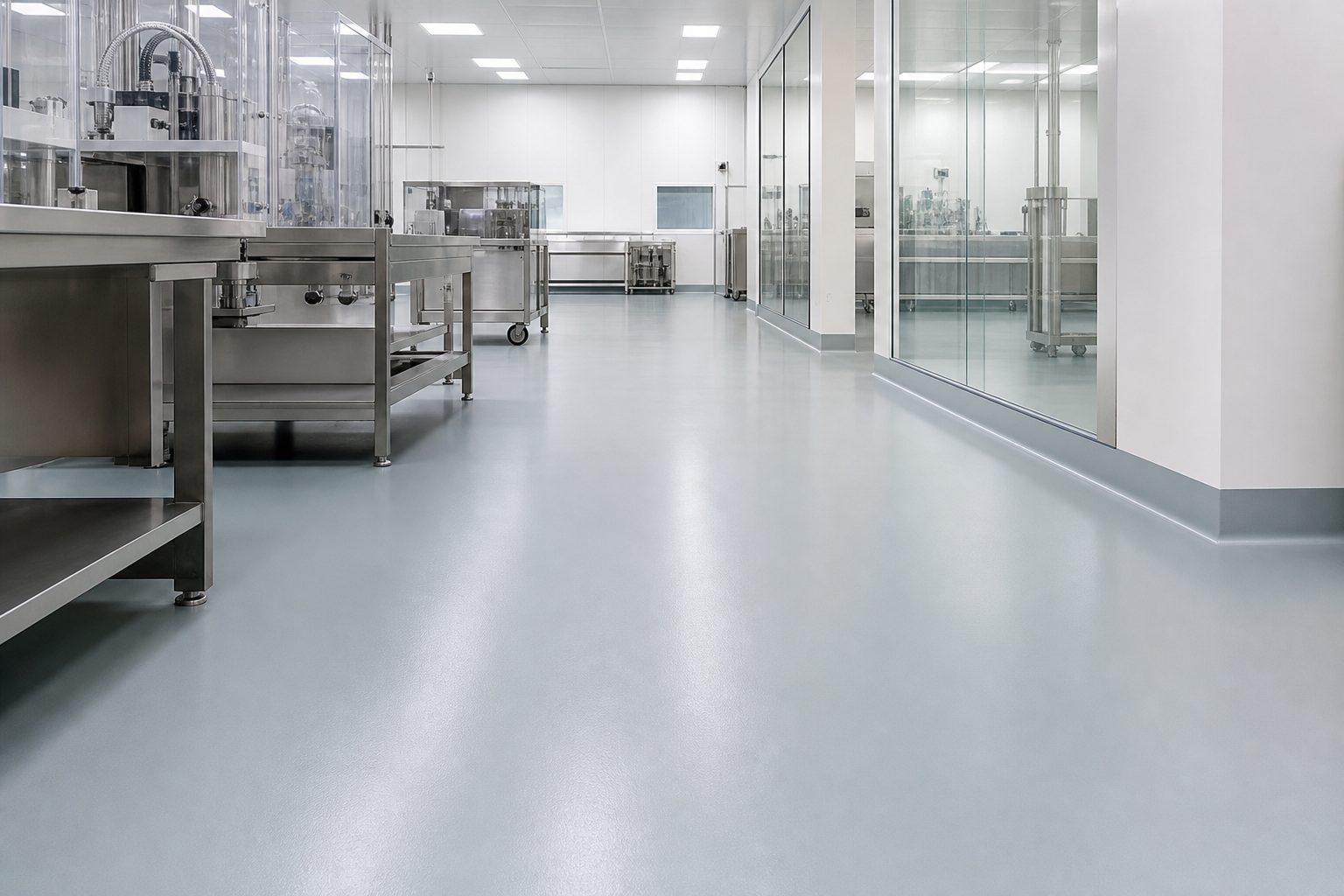
The body coat, coves, thresholds and penetrations must create one maintainable surface. A smooth field area cannot compensate for weak perimeter details.
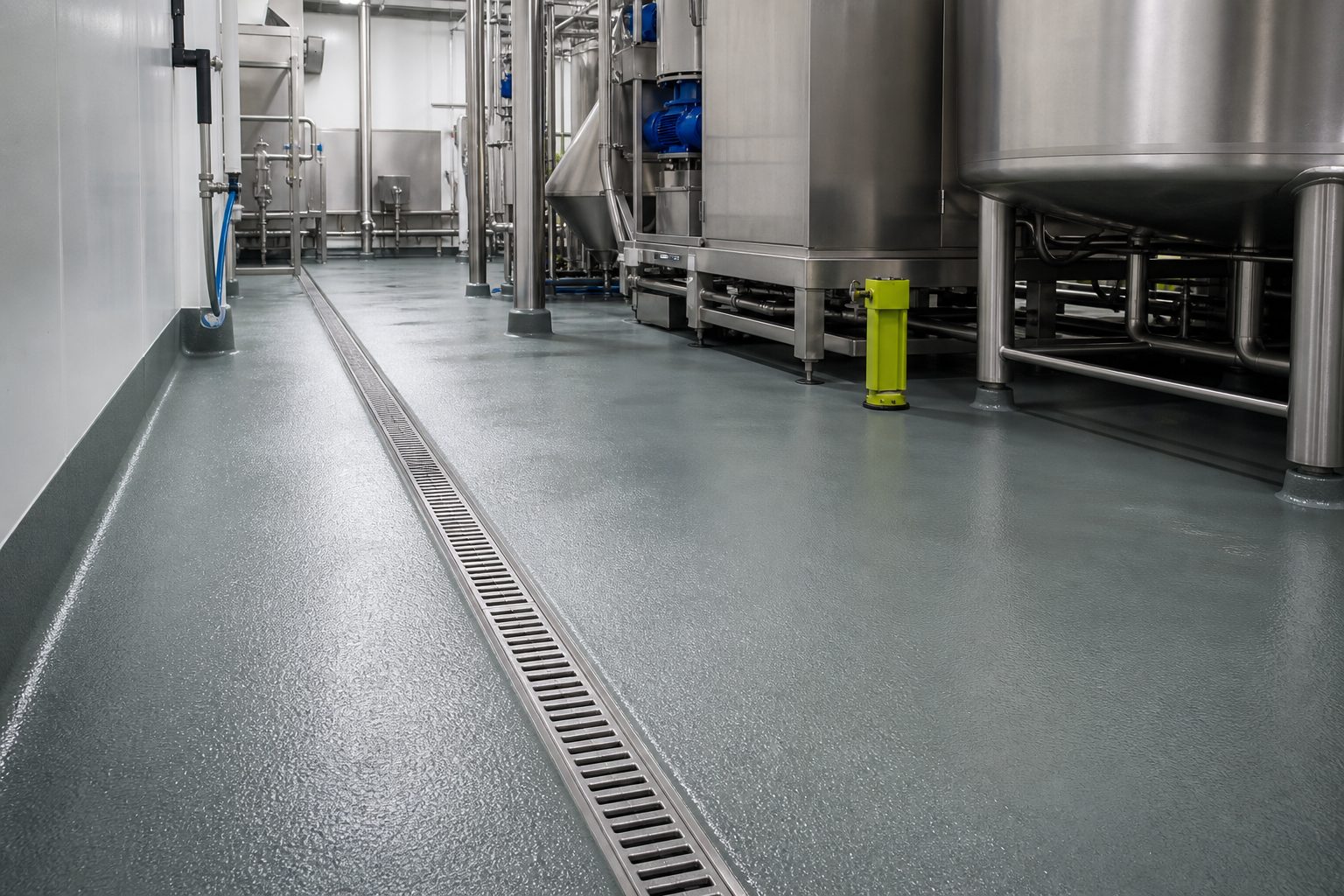
Water temperature, chemical concentration and wet–dry cycling often move the decision from conventional epoxy toward a suitable PU-cement build.
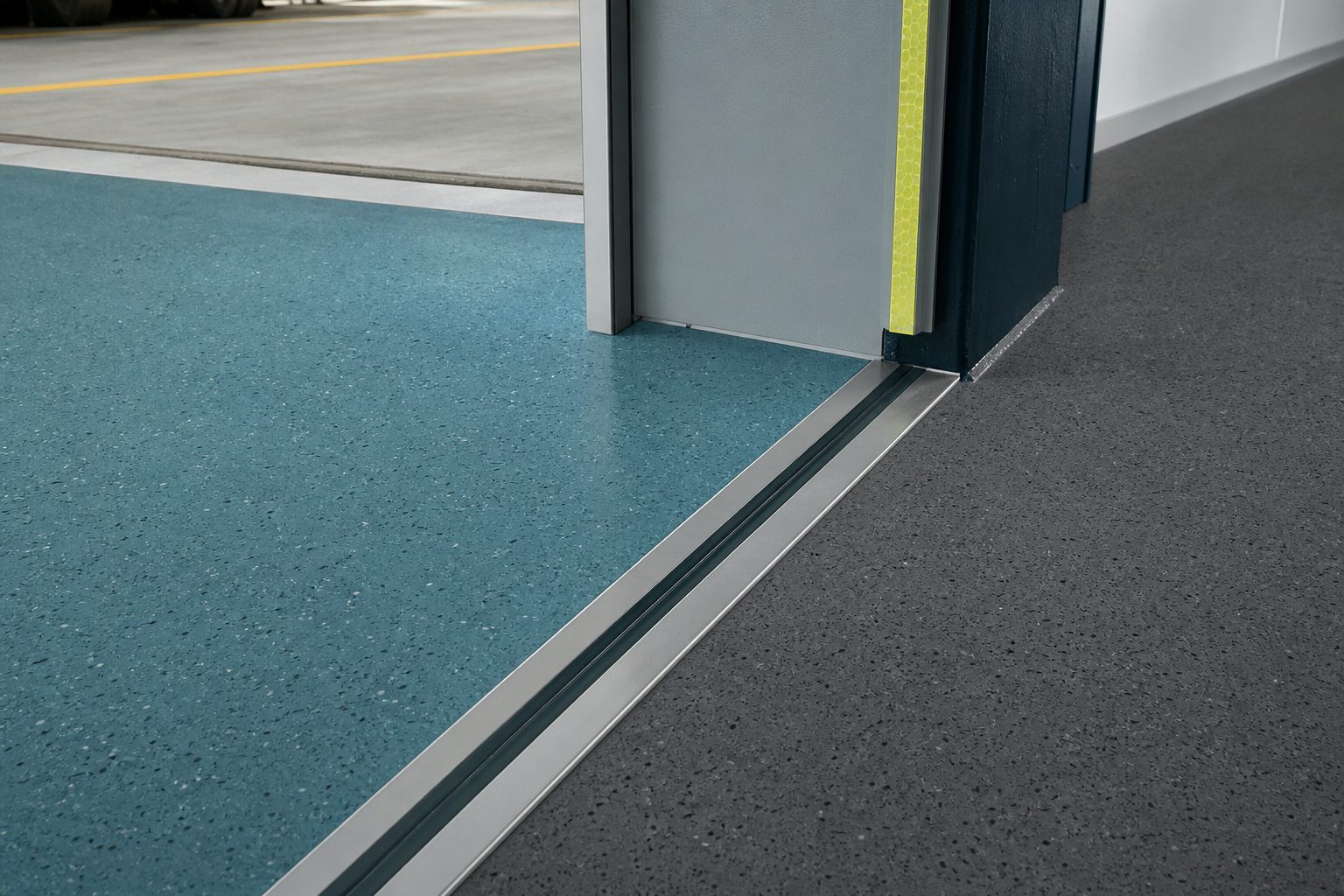
Joints, drains, plinths and door thresholds should be resolved before coating starts. They are designed interfaces, not finishing-stage surprises.
These image-led guides connect real operating conditions to system choices, specification questions and the evidence worth sending with an inquiry.
A site-first guide to epoxy and heavy-duty resin floors for warehouses, distribution centres and logistics facilities across Saudi Arabia.
Open guide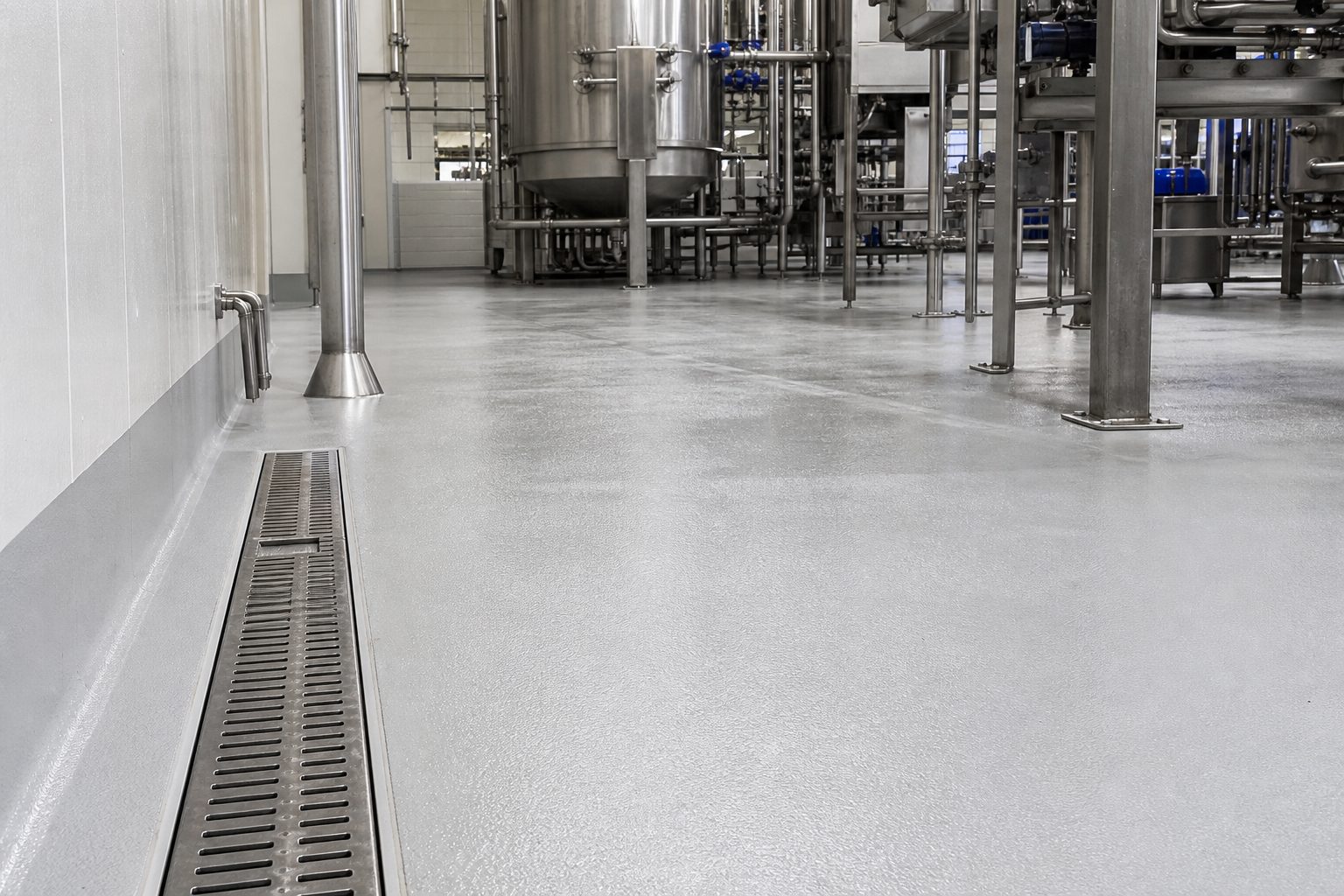
How to shortlist hygienic epoxy or PU-cement flooring for food factories, commercial kitchens, beverage plants and wet processing areas in KSA.
Open guide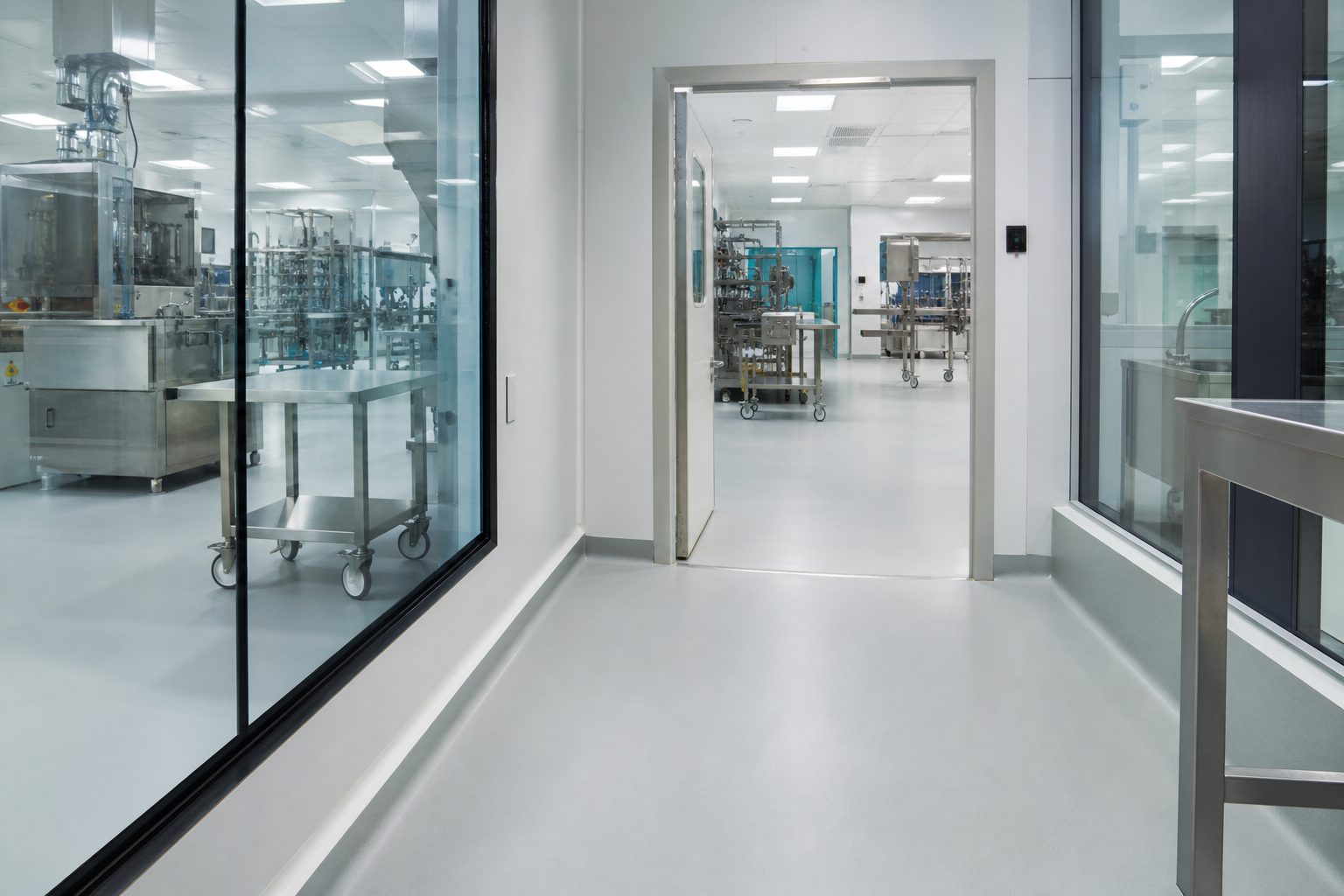
A specification guide for seamless epoxy and resin flooring in pharmaceutical, laboratory and clean manufacturing environments across Saudi Arabia.
Open guide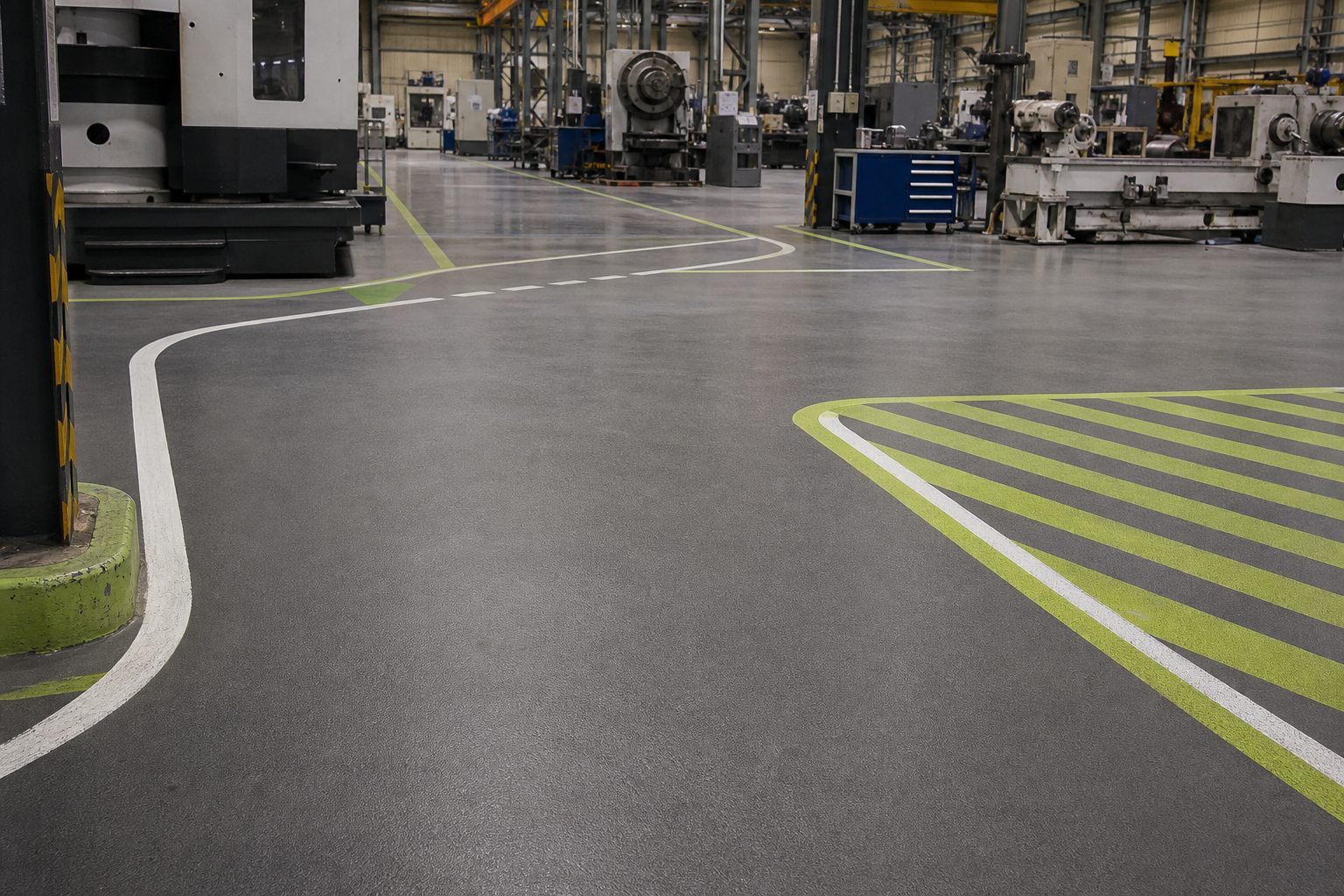
Heavy-duty epoxy flooring guidance for engineering workshops, manufacturing plants, maintenance bays and machine shops in Saudi Arabia.
Open guide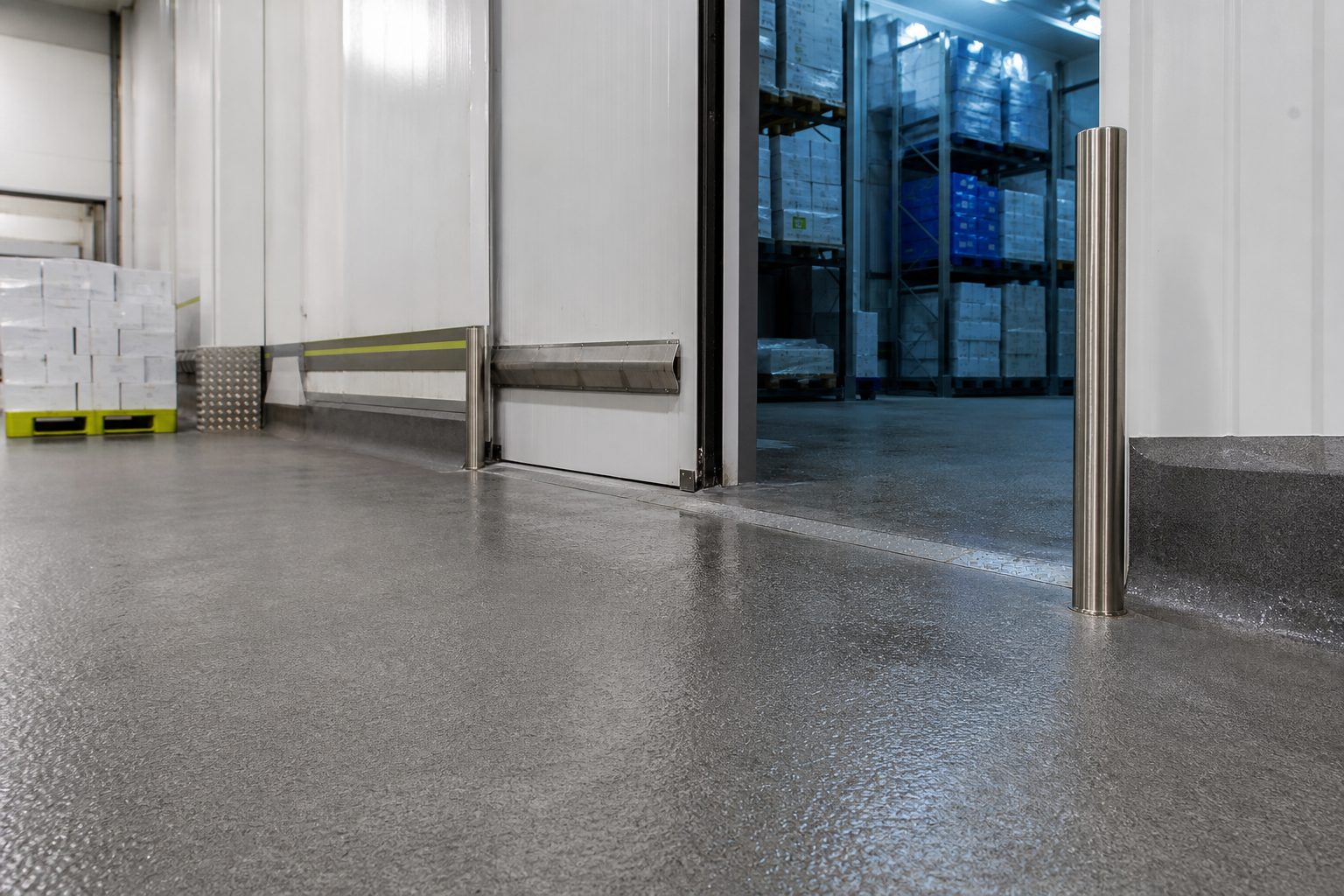
Flooring selection guidance for cold rooms, freezers, chilled warehouses and temperature-transition zones in KSA facilities.
Open guide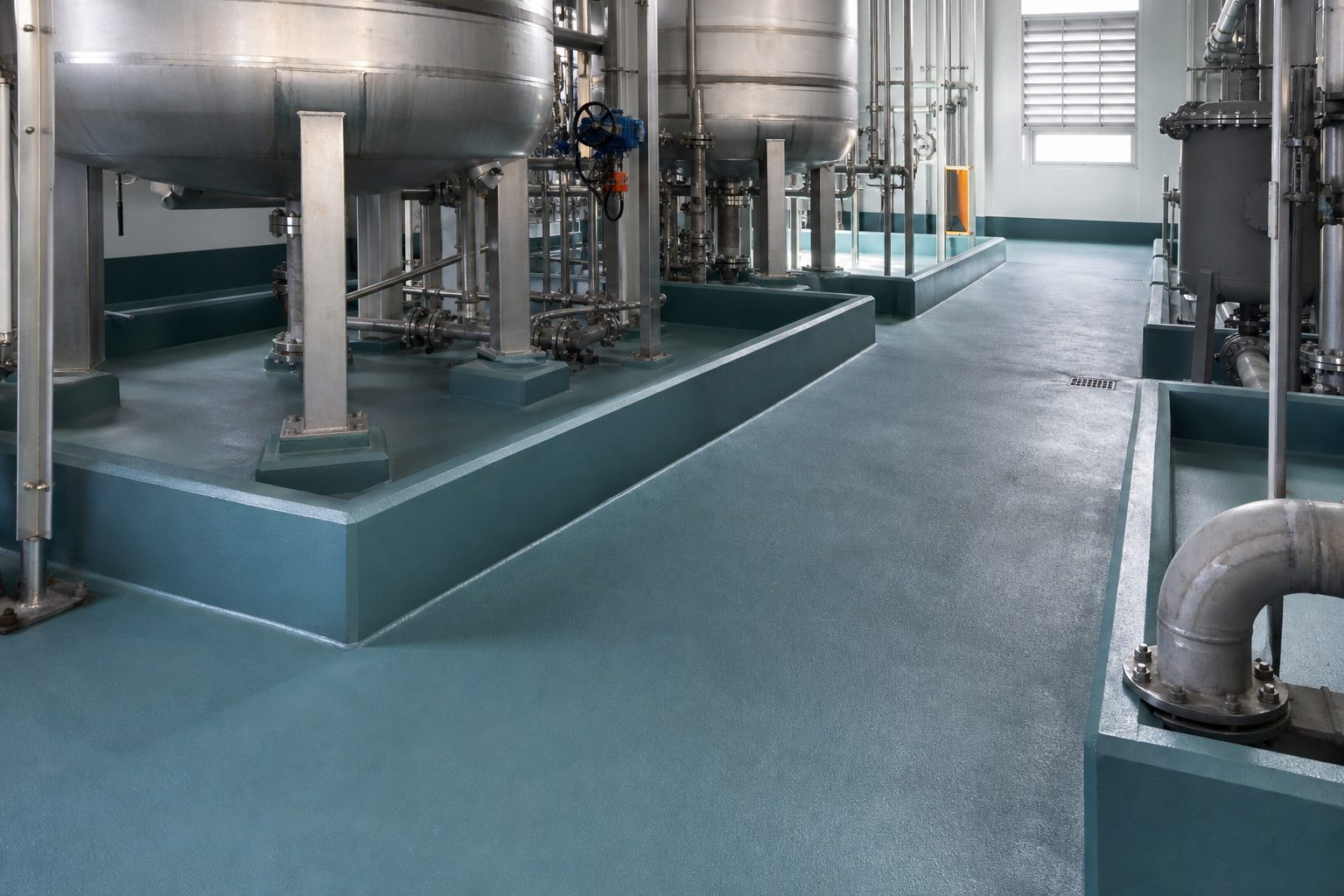
How to specify chemical-resistant resin flooring and bund linings around named chemicals, containment duty and plant interfaces in Saudi Arabia.
Open guide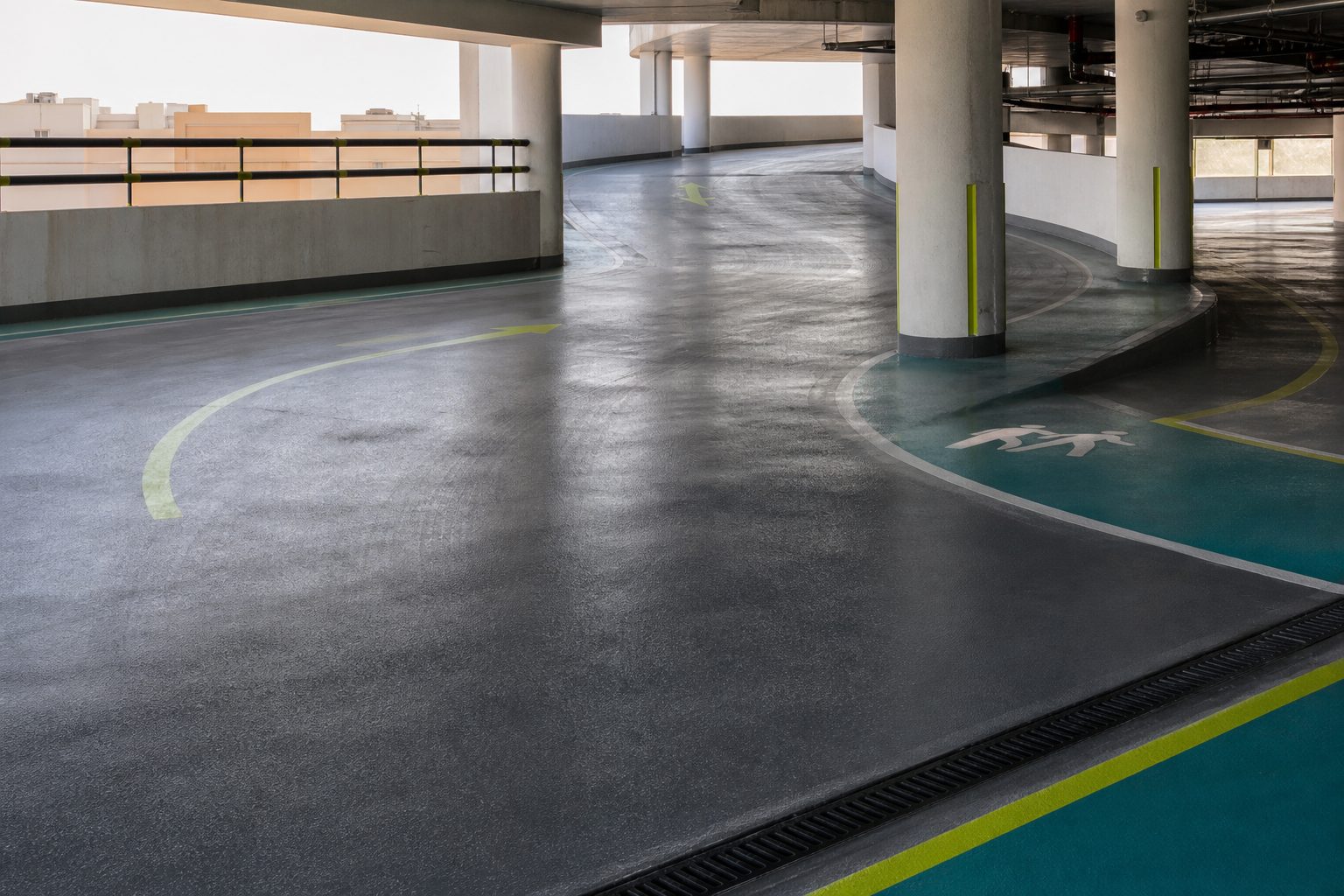
A practical guide to UV-stable polyurethane traffic coatings for parking decks, ramps, turning zones and pedestrian routes in Saudi Arabia.
Open guideThis is an inquiry shortlist, not a substitute for inspection or the approved manufacturer data.
SolidDrops routes the inquiry around site evidence and the decision your team needs to make.
City, area, traffic, chemistry, washdown, finish and shutdown window.
Photos, crack and joint map, contamination, moisture history and repairs.
Preparation, layers, thickness, texture, data sheets, cure time and exclusions.
Area release, mixing, climate, coverage, testing, protection and handover.
Six image-led planning guides answer high-intent buyer questions about cost, preparation, moisture, thickness, installation control and maintenance.
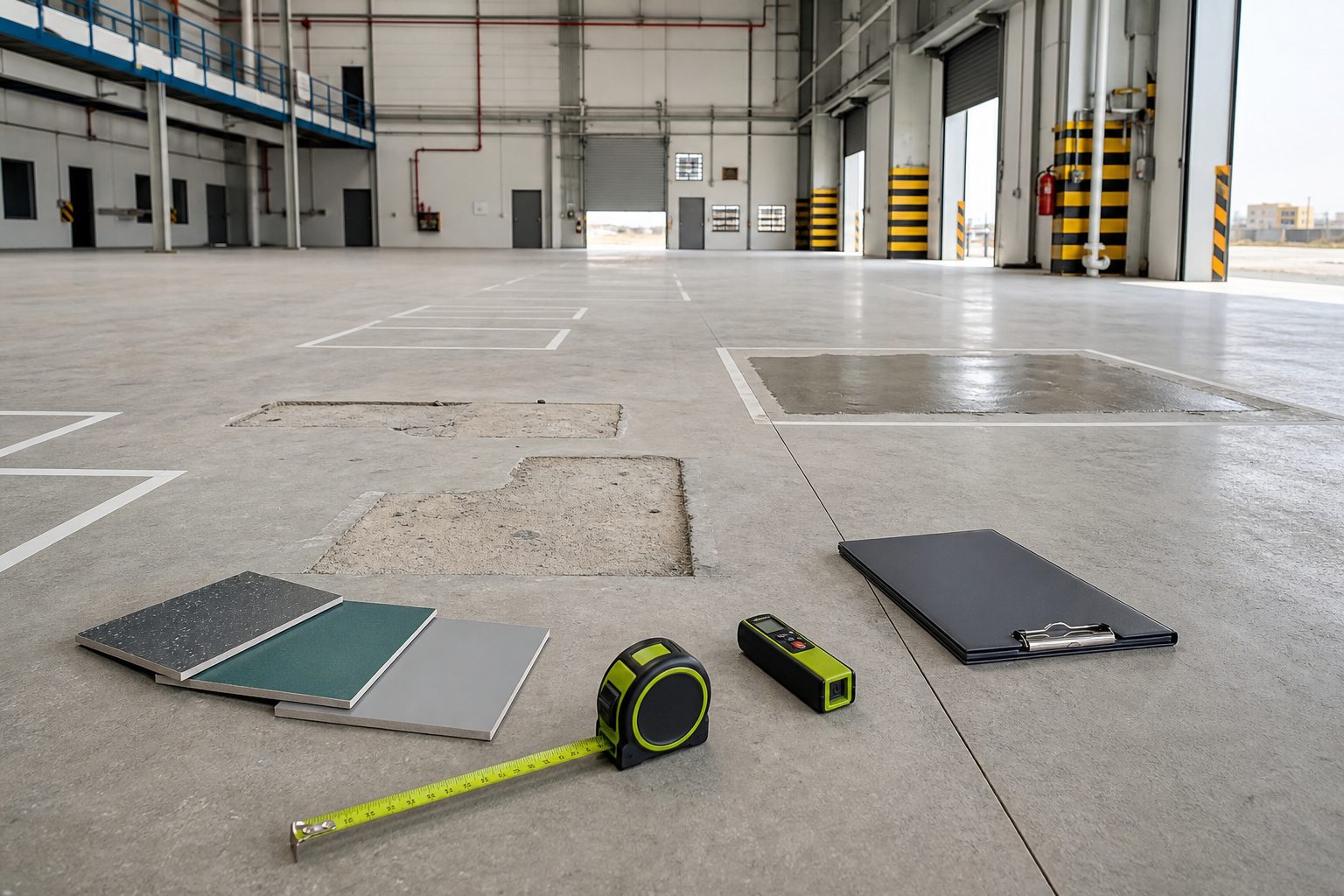
Learn what changes epoxy flooring cost per square metre in Saudi Arabia and how to compare BOQs, preparation, repairs, thickness, cure time and exclusions fairly.
Read guide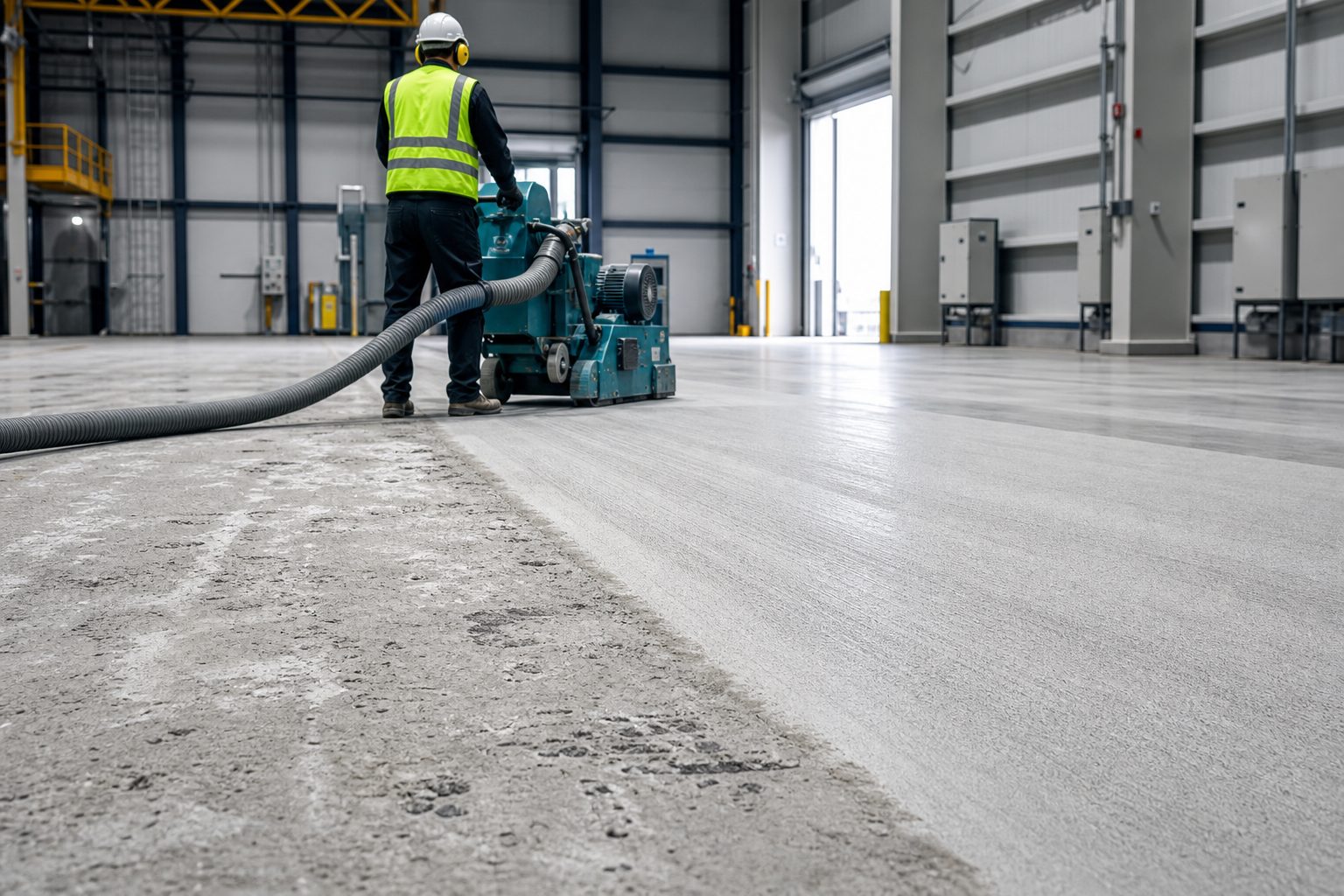
A practical guide to concrete inspection, shot blasting, grinding, repairs, dust removal and acceptance before epoxy or polyurethane flooring in Saudi Arabia.
Read guide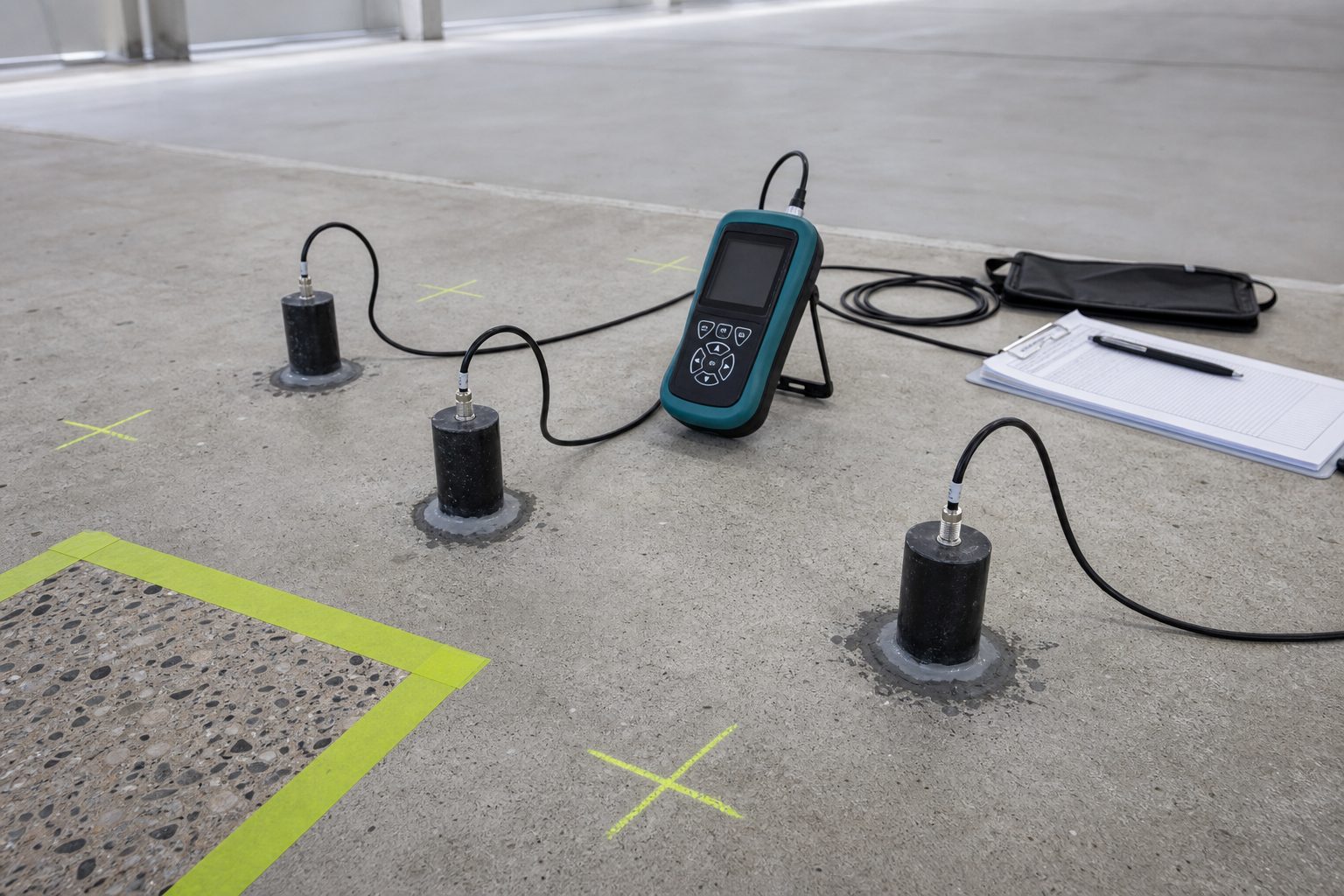
How to investigate damp slabs, leaks, relative humidity and moisture-vapour risk before resin flooring on Saudi industrial projects.
Read guide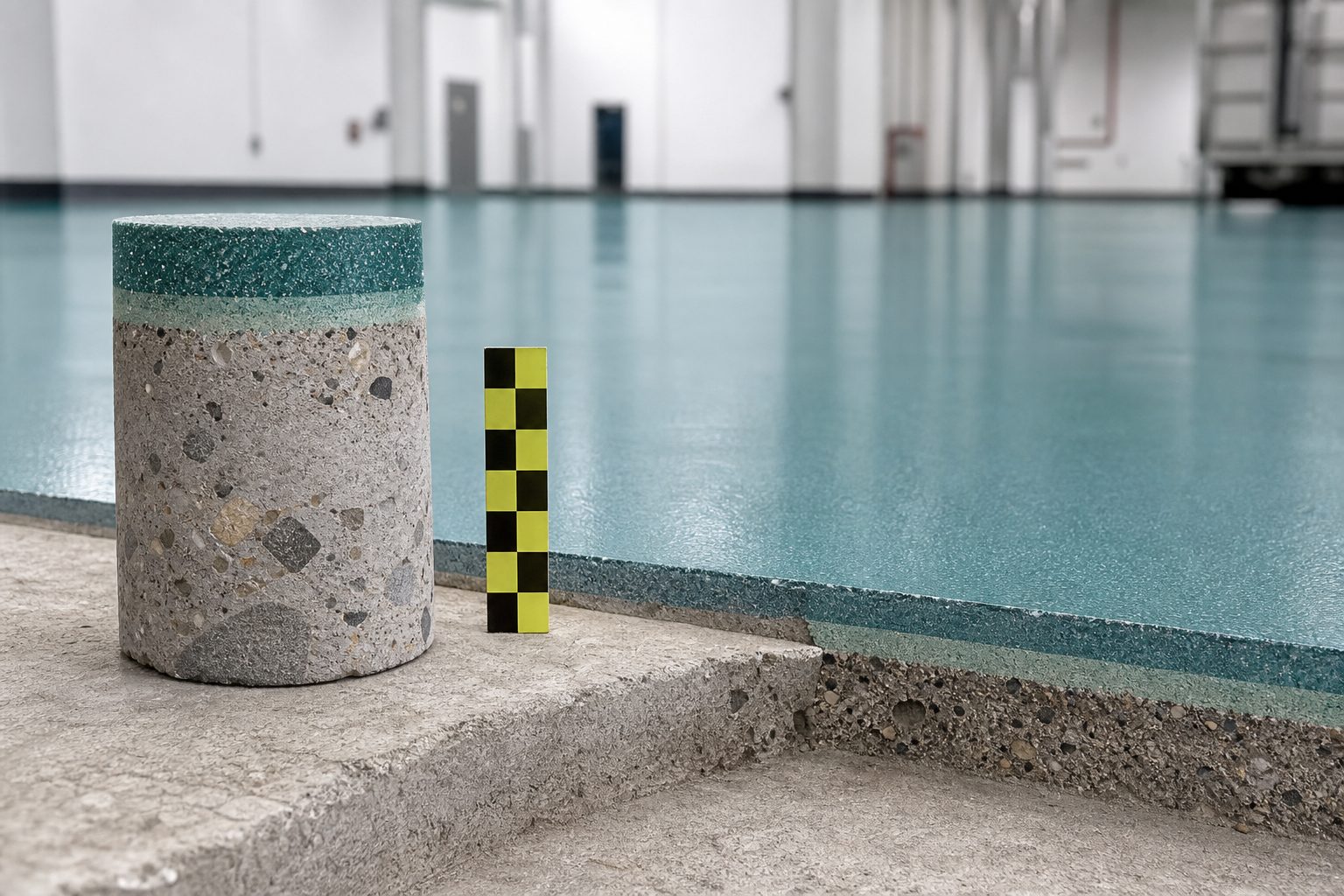
Choose industrial resin floor thickness by traffic, impact, temperature, chemicals, texture and substrate—not a generic millimetre figure.
Read guide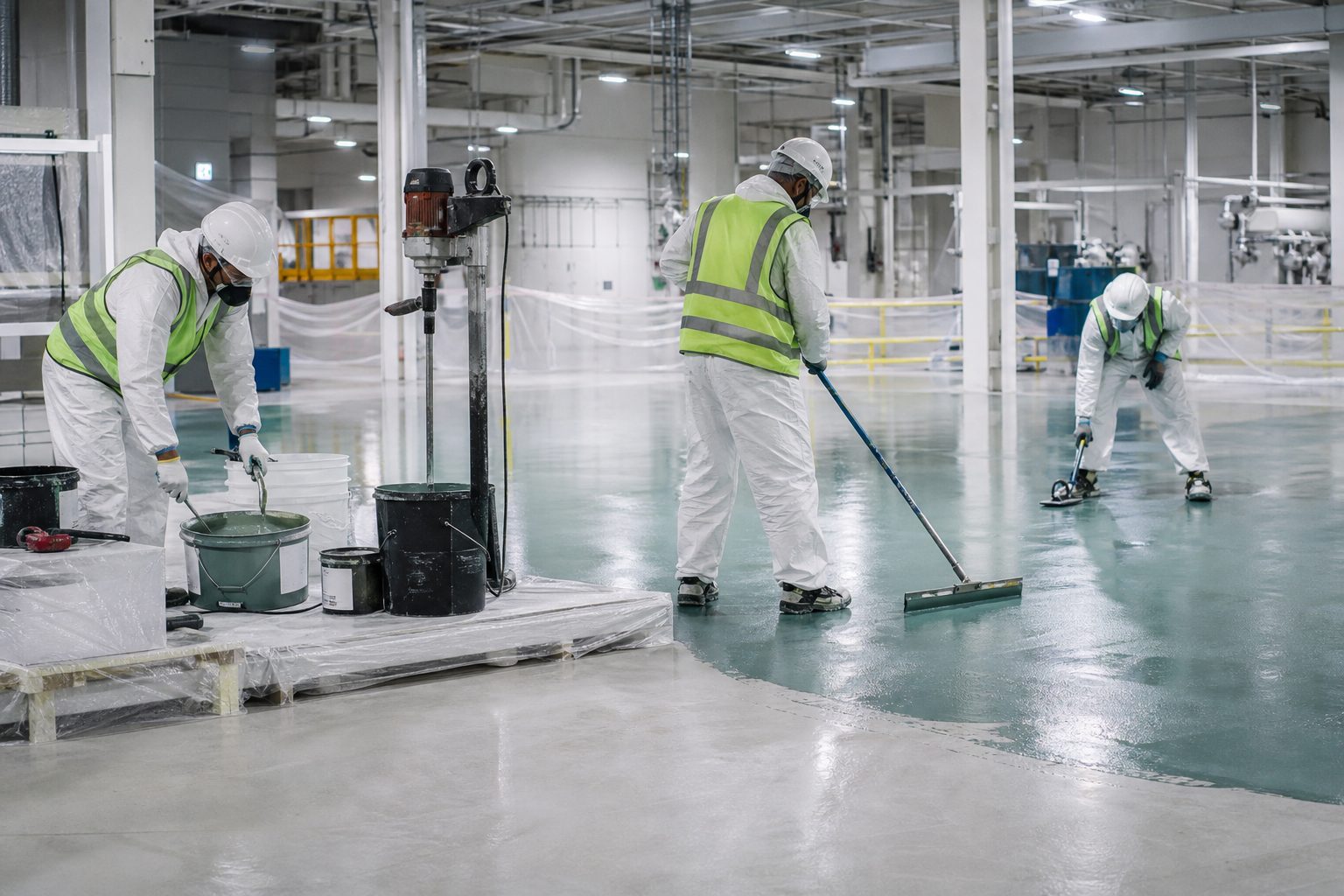
A field-ready epoxy and polyurethane flooring QC checklist covering area release, climate, batching, coverage, cure, protection and handover records.
Read guide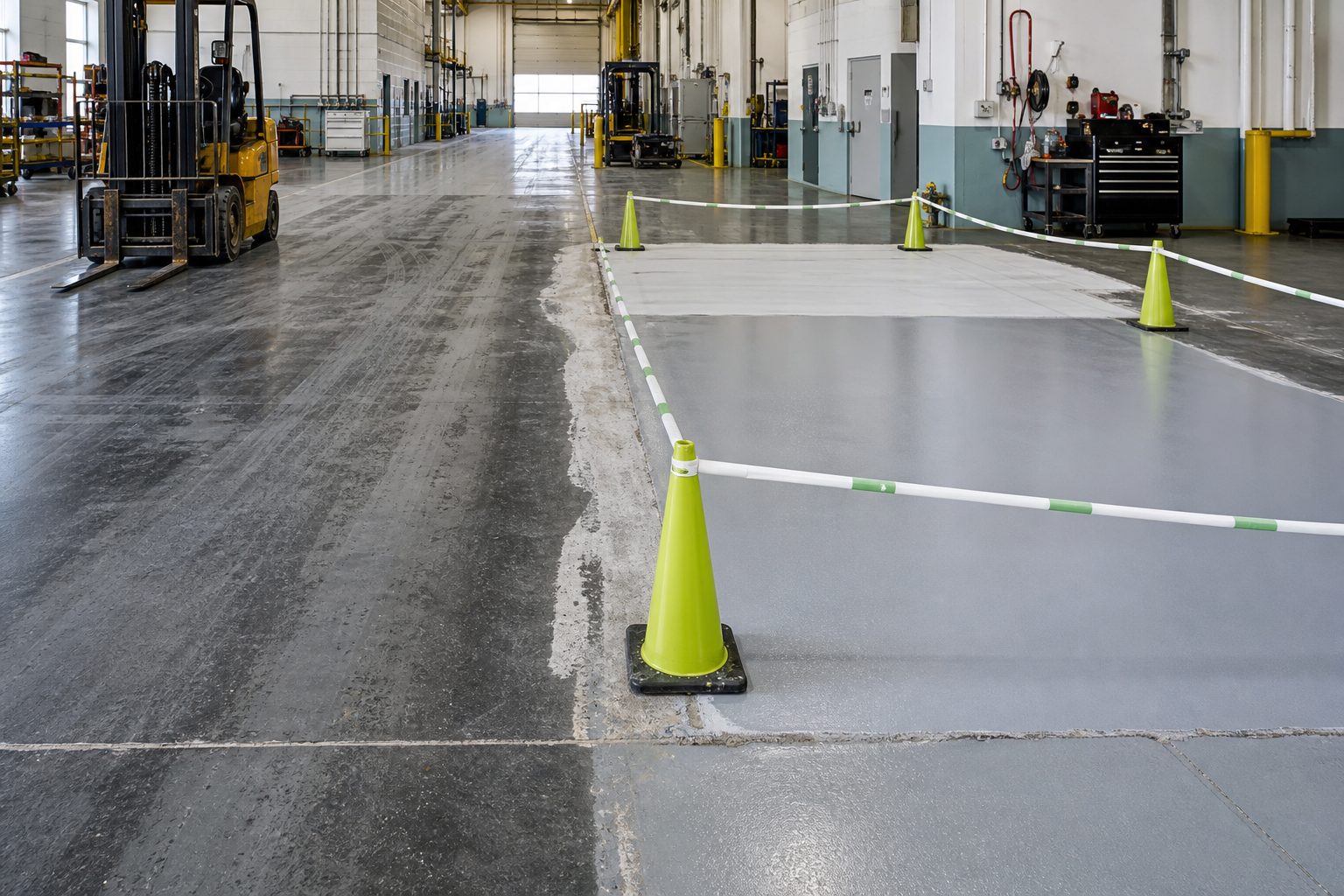
Plan cleaning, inspections, joint care, local epoxy repairs and recoating so an industrial resin floor remains safe and serviceable.
Read guideA practical selection guide for washdown, heat, fats, hygiene and shutdown time.
Read field note ↗01 Buyer guide · 5 minThe differences that matter before a warehouse or workshop coating proposal is approved.
Read field note ↗02 Floor diagnostics · 7 minA site-first diagnostic checklist for peeling, bubbles, pinholes and reflected cracks.
Read field note ↗03Share what the floor experiences. The form creates a structured WhatsApp message; you review it before sending.
Short answers first, with the conditions that change the decision.
Sound dry warehouses often use epoxy coatings or self-levelling epoxy. Forklift turning zones, impact areas and damaged slabs may need epoxy mortar or a heavier build. Confirm wheel loads, slab condition and shutdown time first.
PU-cement or polyurethane screed is commonly shortlisted for hot washdown, wet processing and thermal cycling. The exact grade and thickness should follow temperature, chemical and hygiene requirements.
Cost depends on area, preparation, repairs, thickness, system, texture, access and cure window. Send city, area, photos and service conditions for a comparable proposal.
SolidDrops supports projects across KSA, including Jeddah, Riyadh, Dammam, Jubail, Makkah, Madinah, Tabuk and nearby industrial areas.
Send project city, approximate area, floor photos, current damage, traffic, chemicals, washdown temperature, required finish and available shutdown time. BOQ or drawings are useful when available.
Send the city, area, exposure and photos. SolidDrops will route the relevant system discussion.
 Chat Online
Use this feature to chat with our agent.