
Cement Self Levelling: Underlayment or Exposed Finish?
Decide whether the project needs a levelling underlayment beneath another floor covering or a cementitious topping designed to remain exposed. The intended finish, substrate and traffic determine the specification.
Underlayment or exposed decorative finish?
- An underlayment prepares the substrate for a separate floor covering; it should not be specified as an exposed wearing surface unless its manufacturer permits that use.
- An exposed cementitious topping needs an agreed appearance, traffic suitability, protection or sealer system and maintenance plan.
- Send the intended finish, floor levels, area, substrate photos and project schedule. Compare the preparation guide before finalising the BOQ.
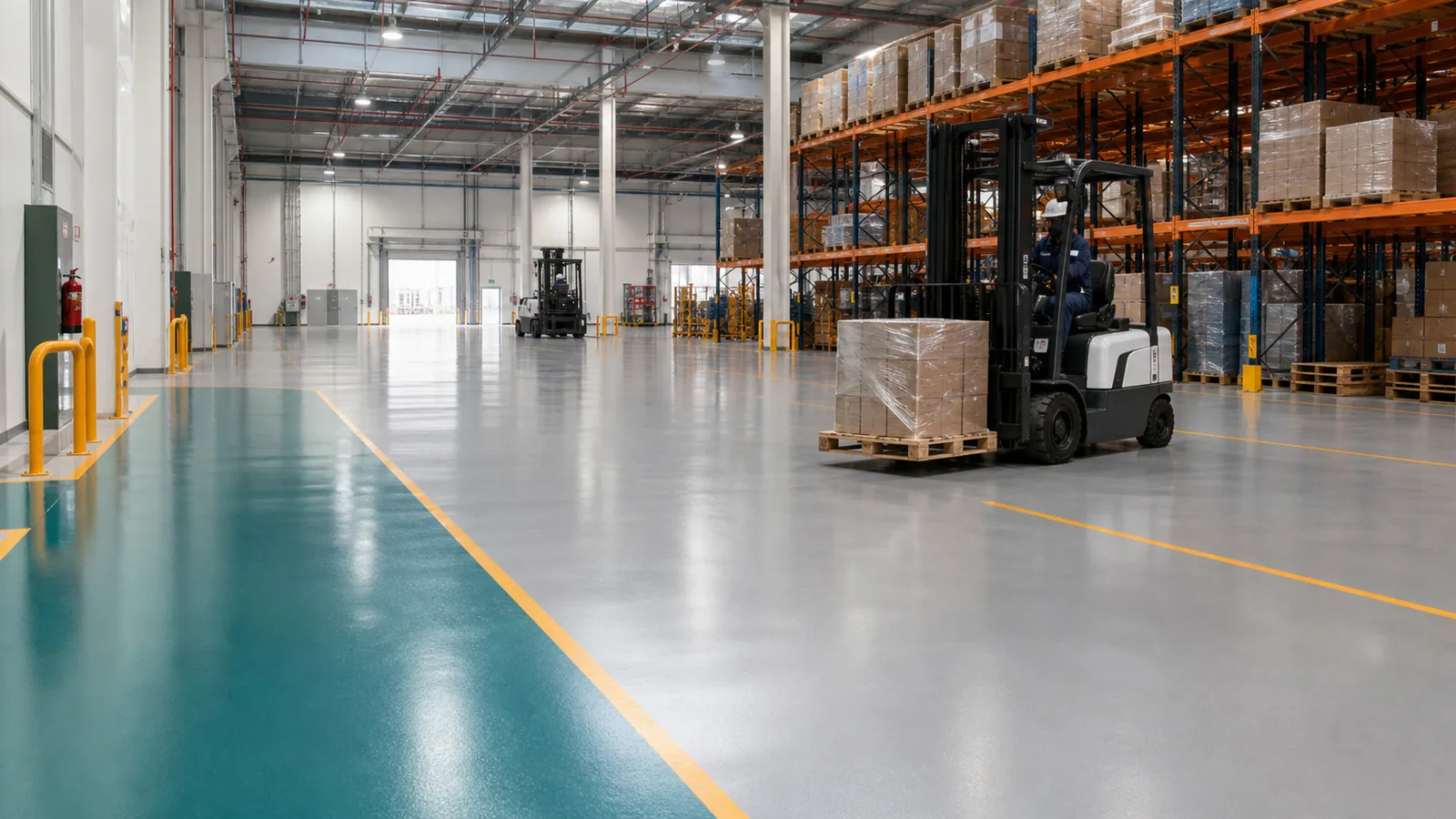
When Cement Self Levelling Is the Right Starting Point
Cementitious self levelling is used to improve surface regularity, fill minor level differences and prepare concrete for final flooring. It is most useful when the existing slab is uneven, patched, rough, or not ready for a clean vinyl, epoxy, PU, carpet tile, microcement or decorative floor finish.
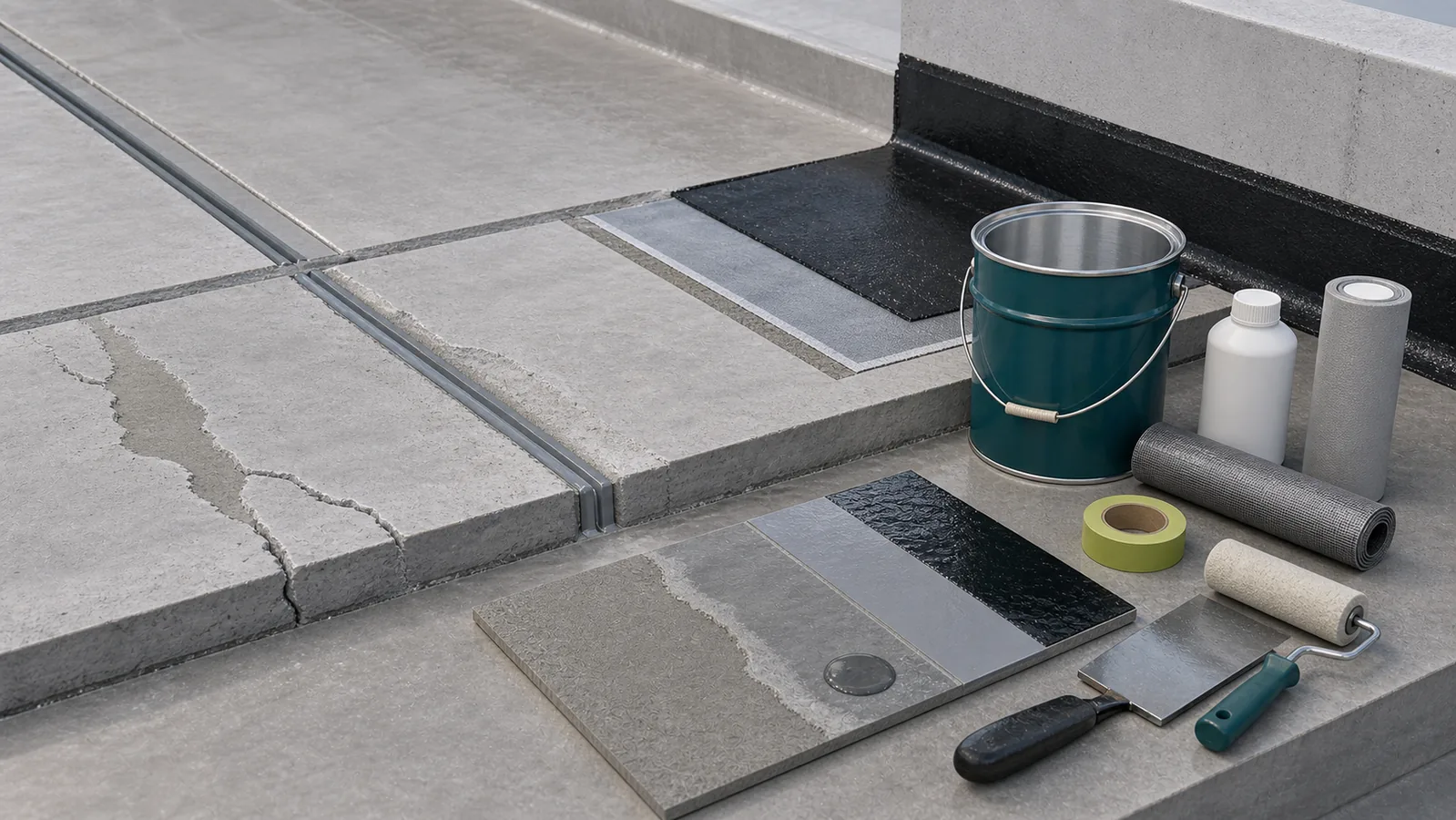
It is not a shortcut for weak concrete, moisture problems, active cracks or movement joints. SolidDrops reviews the substrate, use area and final finish before recommending a levelling system.
Best-Fit Applications
Commercial interiors
Prepare floors for vinyl, LVT, carpet tile, microcement, ceramic tiles or decorative finishes in offices, clinics, schools, malls, hotels and showrooms.
Industrial support areas
Improve level and smoothness in warehouses, factory offices, dry production rooms, packing zones and maintenance areas before the selected final flooring.
Renovation projects
Correct floor irregularities after demolition, tile removal, patch repairs or slab grinding where a clean new finish is required.
System Selection Guide
| Project condition | What to check | SolidDrops recommendation path |
|---|---|---|
| Vinyl or LVT finish | Flatness, laitance, residual adhesive, moisture and doorway levels. | Use a suitable self levelling underlayment and confirm compatibility with the vinyl adhesive and final traffic. |
| Epoxy or PU floor finish | Surface strength, cracks, joints, contamination, thickness needs and chemical or forklift exposure. | Use levelling only where it supports the resin system; heavy-duty areas may need epoxy screed, PU cement or repair mortar instead. |
| Hospital, school or hotel renovation | Dust control, work phasing, access, drying window and final handover schedule. | Plan substrate preparation, levelling pours and final-flooring sequence around room-by-room shutdowns. |
| Warehouse or factory slab | Forklift paths, slab movement, joints, cracks, impact zones and level tolerances. | Separate levelling needs from structural repair, joint treatment and resin flooring specification. |
| Wet areas or roofs | Falls to drain, waterproofing layer, water exposure and movement details. | Do not use normal floor levelling as waterproofing; coordinate with wet-area or roof waterproofing systems. |
Process for BOQ, Photos and Site Details
City, site type, approximate area, final floor finish and current slab condition.
Include door levels, cracks, old adhesive, joints, wet zones and any high/low floor areas.
SolidDrops checks whether levelling, repair, grinding, primer, screed, resin flooring or waterproofing is the correct route.
Qualified inquiries move into estimation with service, city, area, timeline and decision-maker details.
Connected SolidDrops Solutions
Epoxy and PU flooring
Final resin flooring for warehouses, factories, parking areas, hospitals, kitchens and commercial floors where durability and cleanability matter.
Vinyl and rubber flooring
Support for smoother underlayers before resilient finishes in healthcare, education, gyms, offices and retail spaces.
Waterproofing and wet areas
Coordination for bathrooms, kitchens, laundries, roofs, basements and wet zones where levelling must not replace waterproofing design.
Cementitious materials
Supply and application support for levelling compounds, repair mortars, primers and related construction chemicals where suitable.
Expansion joints
Movement joints should remain functional and visible in the floor design; covering them without treatment can cause cracking or failure.
FRP, pigments and materials
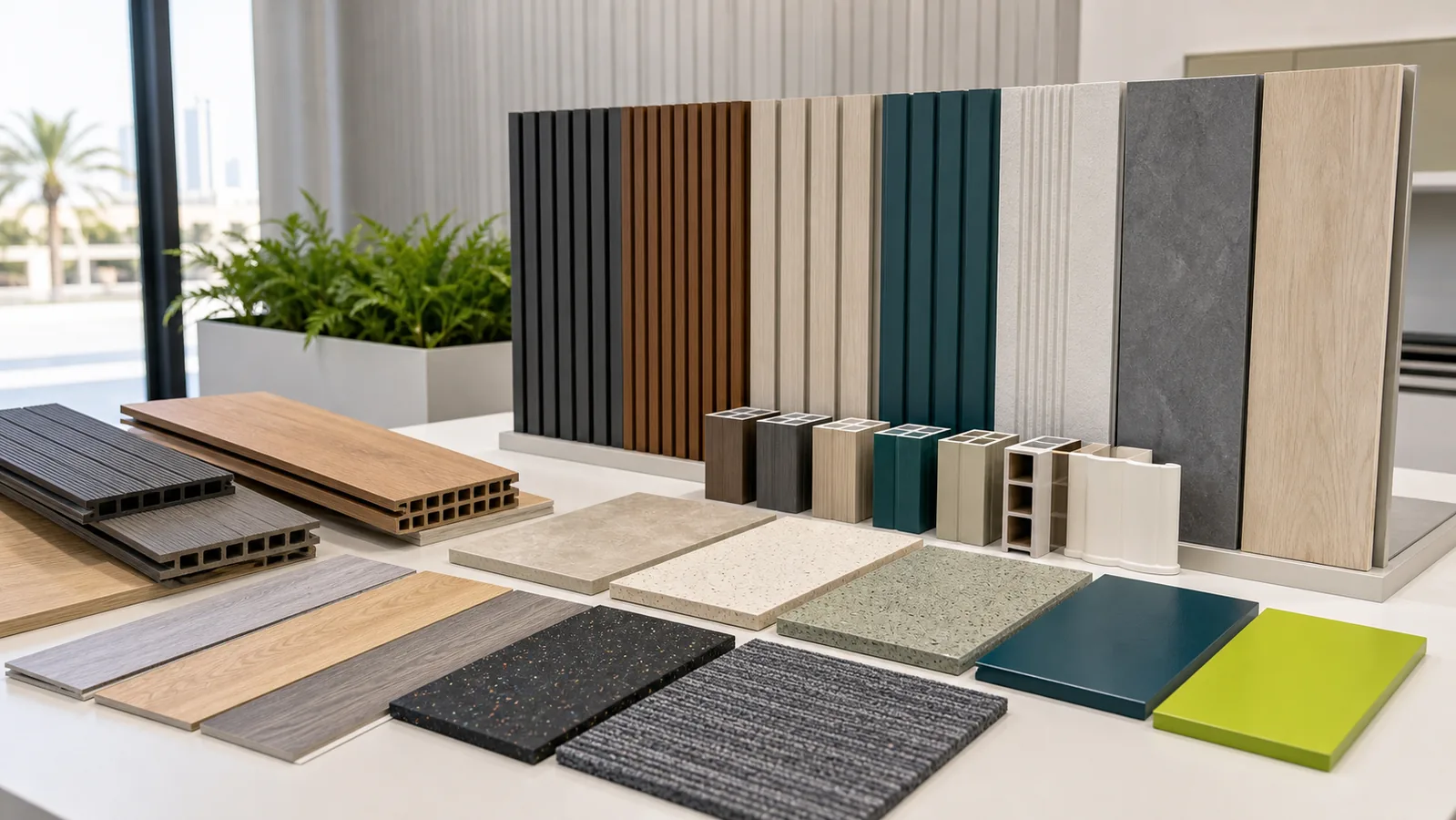
Related KSA project support includes hygienic FRP panels, pigments, fire alarm systems and building materials when wider packages are required.
Saudi Service Coverage
SolidDrops supports inquiries across Saudi Arabia, including Riyadh, Jeddah, Dammam, Jubail, Makkah, Madinah, Tabuk, the NEOM/Tabuk region and wider KSA projects.
For faster review, send the city, floor area, photos, drawings or BOQ, final flooring type, current slab condition and expected schedule.
Frequently Asked Questions
Is cement self levelling a final floor?
Usually it is an underlayment or preparation layer. Some decorative systems can be final finishes, but the choice depends on product, traffic and maintenance needs.
Can levelling fix cracks and weak concrete?
No. Cracks, weak concrete, contamination and movement joints should be inspected and repaired before levelling or final flooring.
What affects pricing?
Area, thickness, substrate condition, preparation, primer, access, pumping or hand application, drying window and final-flooring requirements all affect quotation.
Which final floors can follow levelling?
Common finishes include vinyl, LVT, carpet tile, tile, microcement, epoxy and PU systems, subject to product compatibility and site conditions.
Which Saudi cities are covered?
SolidDrops supports KSA inquiries including Riyadh, Jeddah, Dammam, Jubail, Makkah, Madinah, Tabuk and the NEOM/Tabuk region.
How should we request a quote?
Send city, area in square meters, photos, drawings or BOQ, current floor condition, final finish and project timeline by phone, WhatsApp or email.
Send Your Floor Level, BOQ or Photos
For cement self levelling in Saudi projects, SolidDrops can help review the substrate, choose the correct preparation route and connect the floor build-up with epoxy, PU, vinyl, waterproofing or other final finishes.
 Chat Online