
MMA Flooring in Saudi Arabia – Fast-Curing Methyl Methacrylate Flooring Systems
Methyl methacrylate (MMA) flooring is a rapid-curing resin-floor technology. It can be considered where refurbishment downtime, hygiene, slip resistance and operating temperature are important. Suitability and curing limits depend on the selected resin, each layer and the complete system.
SolidDrops accepts flooring project enquiries across Saudi Arabia. Send your requirements for an assessment and quotation discussion. The manufacturer, supply or application responsibilities, and proposed system must be confirmed in the project proposal.
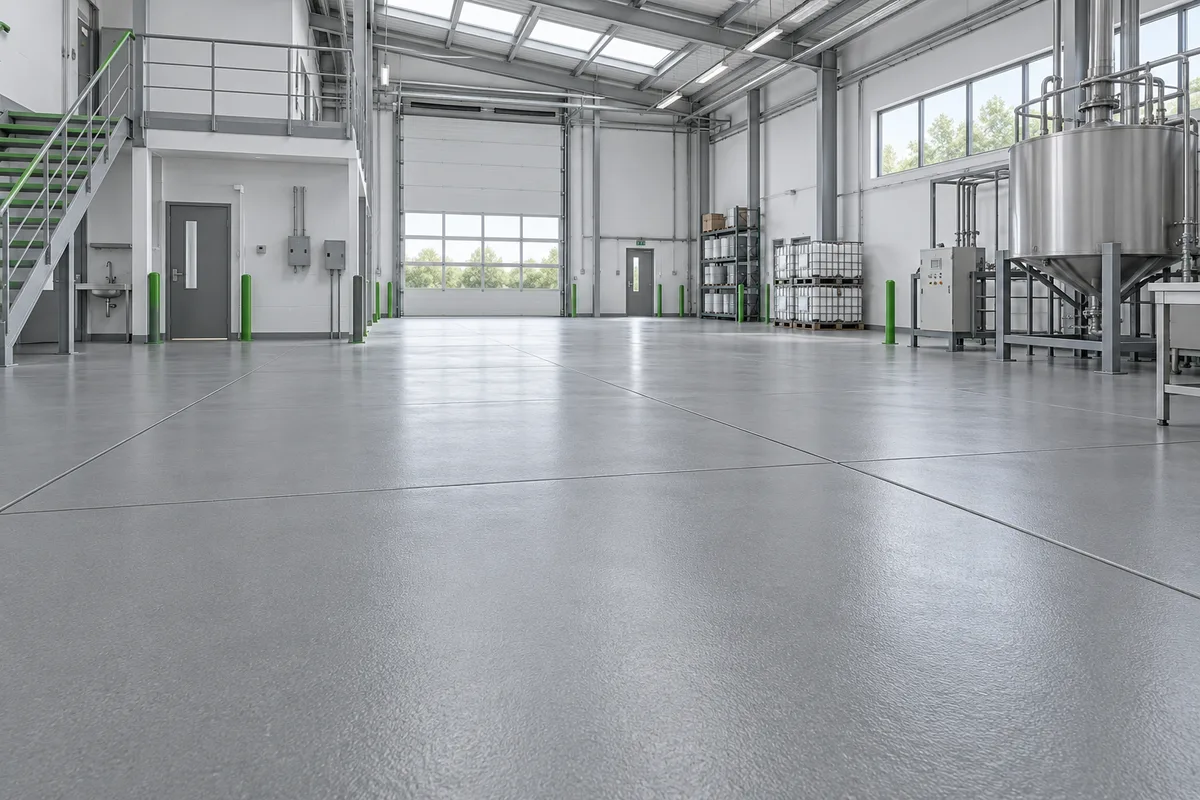
What is MMA flooring?
MMA identifies the resin chemistry. A floor is a complete build-up of compatible primer, wearing layer, aggregates and finish, with details for its substrate and use. Different methacrylate products have different functions; not every acrylic coating is an MMA flooring system.
The Silikal references below identify their flooring systems as methyl methacrylate coatings. They are documented manufacturer examples, not confirmation of SolidDrops stock, exclusive distribution, licensed-applicator status or a selected project specification.
MMA flooring applications and suitability
Manufacturing and industrial maintenance
Assess process oils, abrasion, impact, equipment loads, temperature changes and cleaning. For phased repairs or refurbishment, establish contamination, existing coating condition and access before agreeing the programme. See industrial resin flooring options.
Warehouses and logistics
Review forklift routes, turning areas, pallet movement, trolley traffic and loading zones. Rapid-curing options may be useful for maintenance, but the complete system must meet the actual mechanical duty.
Food and beverage processing
Purpose-designed systems may be considered after reviewing water, oils, cleaning chemicals, heat, traffic, falls, coving and drains. Food-facility use does not establish direct-food-contact or antibacterial approval. Explore food-processing flooring selection.
Commercial kitchens
Balance closure time with cleanability, wet or greasy conditions, hot-water cleaning, chemical exposure and drain interfaces. A textured finish must be specified for actual operating conditions, not simply described as anti-slip.
Cold rooms and cold storage
Some manufacturers offer purpose-designed cold-room systems. Check all layers, application and operating conditions, moisture and condensation. A primer limit alone is not a complete-system limit. See the cold-room and freezer flooring guide.
Retail and commercial refurbishment
Quartz, flake and coloured finishes can be considered where appearance and phased access matter. Agree the sample, texture and cleaning approach, and control installation odour around occupied spaces.
Examples: Silikal documents separate Kitchen, Cold Room, Quartz and Flakes systems. Suitability remains specific to the chosen configuration and site.
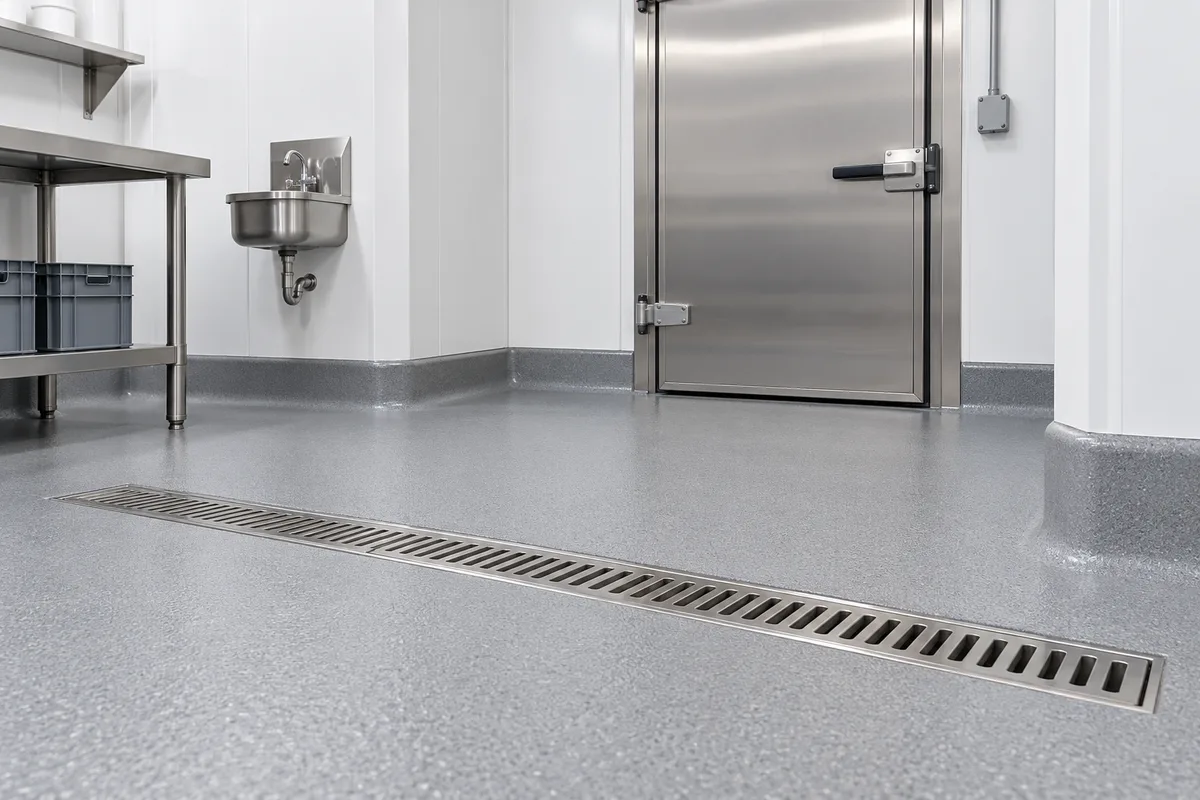
Why consider MMA flooring?
Programme and finish
Rapid polymerisation can help with phased refurbishment. Compatible quartz finishes and coving can support texture and cleaning requirements. These benefits must be checked against the actual system and facility brief.
Installation constraints
Short working time requires organised mixing and installation. Substrate defects, moisture, odour and ventilation can determine feasibility. Plan occupied-area separation, food and packaging protection, material storage and inspection before committing to a shutdown window.
Do not treat MMA as universally waterproof, odourless, non-toxic, antibacterial or resistant to every chemical. A resin floor is not a substitute for designed waterproofing or movement-joint details.
Documented MMA System Options
Silikal documents the following MMA configurations for project-specific evaluation. Obtain a dated, manufacturer-approved build-up for the actual project; the supplied Quartz SL specifications differ in resin quantities, optional layers and topcoats.
SILIKAL System B - Quartz SL
A self-levelling MMA system with coloured-quartz broadcast. Its conceptual sequence is prepared substrate, substrate-compatible MMA primer, an R61-based main coat, coloured quartz and compatible approved topcoat(s). Optional repairs or scratch layers depend on the substrate.
Different supplied versions use different topcoats. No combined recipe or fixed main-coat thickness is specified here. Final thickness must be defined for the approved complete build, including any levelling and detailing.
SILIKAL System B - Quartz TA
A trowel-applied MMA system in which coloured quartz and resin are compacted and levelled before the compatible finish. Manufacturer documentation includes dry and wet production areas and industrial kitchens.
Consider this approach where a coloured-quartz finish or trowel-applied build is appropriate. Falls and local details require design review; trowel application alone does not prove suitability for a slope, thermal exposure or drainage detail.
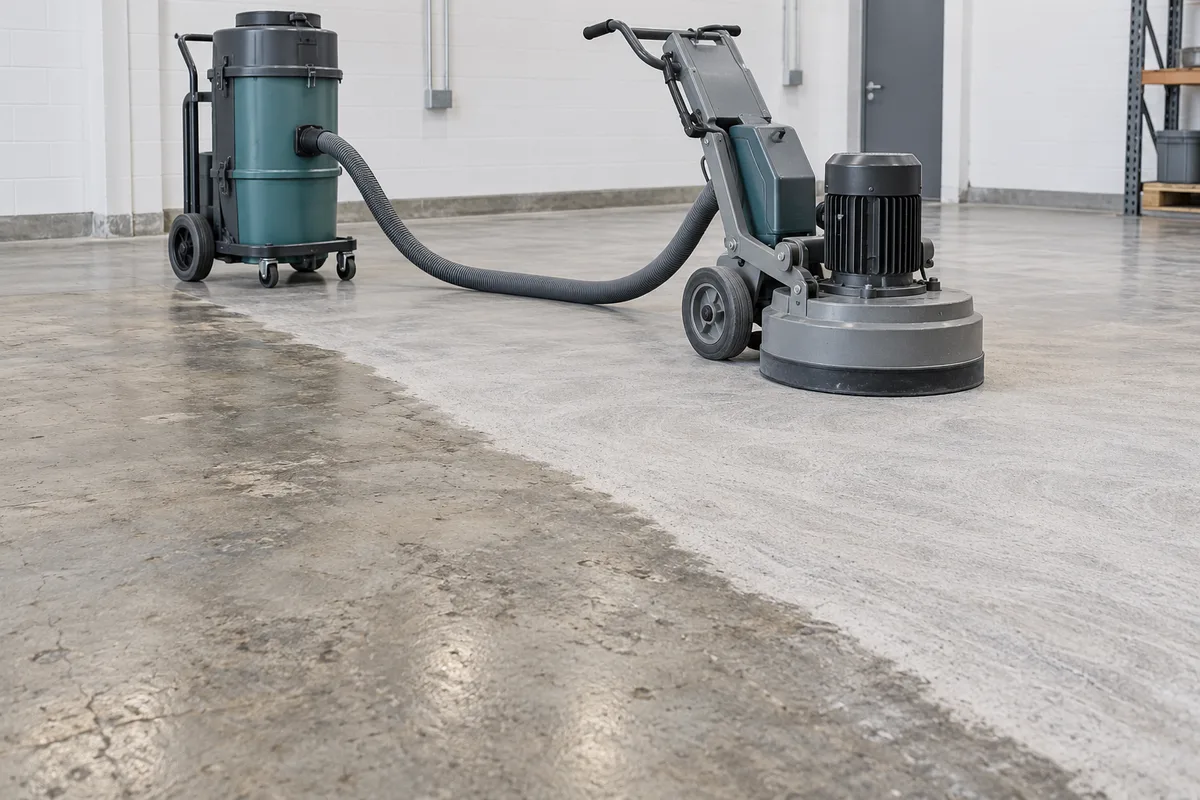
Source: Silikal technical documentation: Quartz SL and Quartz TA, printed pages 10-11 and 14-15. Manufacturer-published reference; confirm the project specification before ordering.
MMA Flooring Thickness Options
Thickness is selected for the actual load, exposure and configuration. The published R61 data sheet gives these guideline examples:
- Approximately 3 mm self-levelling thin-layer coating
- Approximately 5 mm non-slip self-levelling thick-layer coating
- Approximately 4-6 mm decorative coloured-quartz screed
These are documented Silikal R61 configurations and must not be interpreted as universal MMA flooring thicknesses. Distinguish the wearing-layer thickness from the final system build. For forklifts, provide wheel loads, turning routes and impact conditions for manufacturer review.
Source: SILIKAL R61 product data, February 2023. Manufacturer-published reference; confirm the project specification before ordering.
Substrate Requirements for a Documented Silikal MMA System
Assess soundness, contamination, moisture and rising damp before choosing a primer. Remove laitance and weak material; use appropriate grinding or shot blasting and thorough vacuum cleaning. Existing tile or resin floors require compatibility and adhesion assessment, not automatic overcoating.
Carry out the manufacturer's curing and adhesion checks on prepared areas. A simple tack-free trial does not replace specified tensile-bond testing. Agree strength, moisture test method and acceptance limits for the selected system; the supplied specifications and manufacturer general guidance are not interchangeable.
Assess moving cracks, structural joints, repairs and floor levels. Designed movement joints must remain functional. Coordinate drain interfaces, falls, thresholds and any separate waterproofing before installation.
Source: Silikal: The substrate, printed pages 104-106. Manufacturer-published reference; confirm the project specification before ordering.
Quartz-Broadcast and Slip-Resistant MMA Flooring
SILIKAL Filler FS is coloured quartz for broadcast finishes; Filler FM is a coloured-quartz mixture for broadcast or trowel-applied toppings. Aggregate grade, distribution, amount and topcoat coverage affect texture and cleaning.
Select the texture for actual water, grease, footwear, traffic and cleaning equipment. Obtain the relevant test evidence for the exact build and agree a finish sample. No finish guarantees against slips, and a manufacturer's available classification range is not the classification of every installed floor.
Cleaning and maintenance
Review cleaners, concentration, temperature and equipment with the supplier. Obtain maintenance instructions for the chosen finish, with an inspection and repair plan for worn texture, joints and damaged edges.
Source: Silikal: Fillers and pigments, printed page 107. Manufacturer-published reference; confirm the project specification before ordering.
MMA Coving and Hygienic Detailing
SILIKAL HK31 is a documented transparent reactive coving paste for covings and triangular covings in wet and dry areas. With the approved filler and finish, it can form an integral floor-to-wall detail that supports cleaning.
HK31 lists an application range of 0°C to +30°C and a maximum coat thickness of 10 mm per application. Thicker details require separate coats, with each allowed to cure fully. Dimensions and junctions remain project-specific.
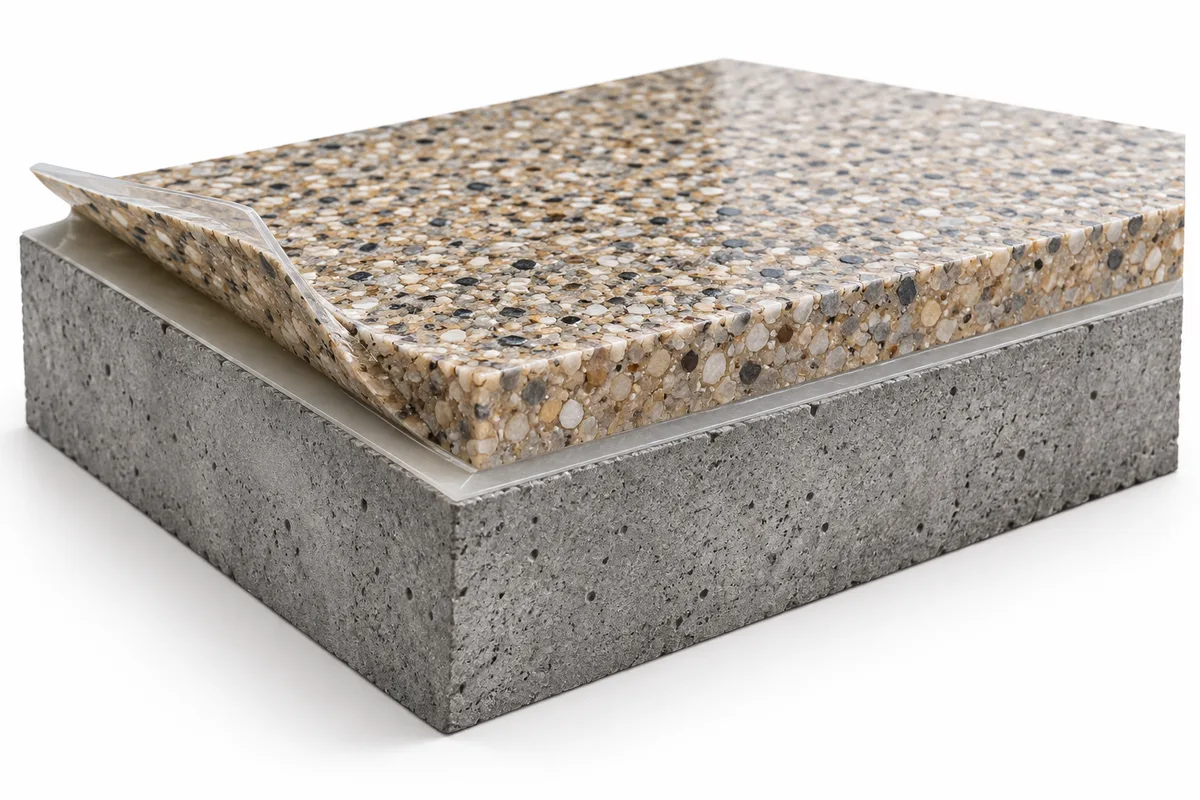
Source: SILIKAL HK31 product data, printed page 92. Manufacturer-published reference; confirm the project specification before ordering.
MMA Flooring for Food Factories, Kitchens and Wet Areas
R61 and the documented Quartz SL/TA systems provide a basis for evaluating wet production and industrial-kitchen floors. Suitability still depends on the selected finish, chemicals, hot water, loads and details.
Design drainage and falls to avoid ponding. Review coving, drain terminations, penetrations and joints with the consultant; specify waterproofing separately where required. Assess washdown temperatures and thermal cycling rather than assuming that chemical resistance proves thermal suitability.
Protect or relocate food, feed and packaging before resin work. Plan work-area separation and ventilation. HACCP-related floor certification does not certify the facility's food-safety programme or establish direct-food-contact approval. See food-factory flooring options.
Source: Silikal general processing notes, printed page 101. Manufacturer-published reference; confirm the project specification before ordering.
How Fast Does MMA Flooring Cure?
Rapid polymerisation is a reason to assess MMA, but there is no universal cure time. These R61 examples keep the manufacturer's temperature and hardener conditions together:
| Table temp. | BPO by resin weight | Approx. pot life | Approx. hardening |
|---|---|---|---|
| 0°C | 6.0% | 20 min | 60 min |
| +10°C | 4.0% | 20 min | 45 min |
| +20°C | 3.0% | 15 min | 30 min |
| +30°C | 2.0% | 10 min | 25 min |
The BPO figures relate to resin weight, not the filled batch. This is reference information, not a site mixing instruction. Substrate and stored-material temperatures influence application; the source does not give a universal laboratory test protocol for these guideline times.
Pot life is working time after activation. Hardening is not automatically an intercoat interval, foot-traffic release, full-load release or chemical-exposure readiness. Obtain each milestone for the approved system. Preparation, repairs, layer sequencing, ventilation and inspection remain part of total downtime.
Source: SILIKAL R61 product data, February 2023. Manufacturer-published reference; confirm the project specification before ordering.
MMA Flooring and Low-Temperature Installation
Check every layer independently. RU 380's cold-application range does not establish the limit for the main coat, topcoat or complete floor. Application temperatures are separate from service-temperature resistance.
| Product | Application temperature | Scope |
|---|---|---|
| SILIKAL RU 380 | -10°C to +30°C | Primer or documented thin-coating configuration only. |
| SILIKAL R61 | 0°C to +30°C | Main resin; use its own instructions. |
| SILIKAL R72 | +10°C to +30°C | Hard topcoat; not a subzero application example. |
The data sheets label these as application temperatures without assigning independent air, substrate and material limits. Record all three and obtain the manufacturer's project requirements. Assess moisture and condensation before each layer; confirm the applicable dew-point margin rather than assuming a generic value.
Cold rooms and low-temperature projects
Specify installation conditions, normal operating temperature, defrost cycles, washdown and thermal transitions. Manufacturer documentation includes a separate cold-room system; that does not make Quartz SL or Quartz TA a freezer system. See cold-room flooring requirements.
Source: RU 380, R61 and R72 product sheets; general processing notes, printed page 101. Manufacturer-published reference; confirm the project specification before ordering.
Documented MMA Resin Components
SILIKAL R61 - Main MMA Flooring Resin
A slightly elasticised methacrylate main-coat resin with self-levelling properties, documented for broadcast and trowelled coatings in wet areas. Review food-industry use as a complete floor, including finish, drainage, cleaning and installation controls.
SILIKAL RU 380 - MMA Primer
The published sheet describes a primer for cementitious and non-absorbent substrates. Older supplied guidance includes concrete, cement screed, asphalt, tiles and metals; these are not unconditional approvals. Check the current primer table and substrate-specific instructions. Curing and adhesion trials are required, including a tack-free result.
The February 2023 primer recipe gives an average consumption of 400 g/m². This is a guideline, not a guaranteed project quantity.
RU 380 hardening examples
| Table temp. | BPO by resin weight | Approx. pot life | Approx. hardening |
|---|---|---|---|
| -10°C | 4.5% | 35 min | 80 min |
| 0°C | 3.0% | 32 min | 60 min |
| +10°C | 2.0% | 18 min | 55 min |
| +20°C | 1.5% | 12 min | 45 min |
| +30°C | 1.0% | 10 min | 40 min |
These figures use the plain-resin table without Additive M. The additive variant has separate dosing requirements. Primer hardening is not permission to reopen the floor.
SILIKAL R72 - Hard MMA Topcoat
The published sheet describes a colourless topcoat for decorative hard coloured-flake or coloured-quartz main coats, with hard cure, scratch resistance and low yellowing. The older supplied sheet also describes dry-area and pigmented use; confirm any such configuration separately. Compatibility with the main coat matters, particularly over highly elastic layers.
Source: RU 380 product data, February 2023. Manufacturer-published reference; confirm the project specification before ordering.
Source: R72 product data, February 2023. Manufacturer-published reference; confirm the project specification before ordering.
Review the individual SILIKAL R71 topcoat and SILIKAL R72 topcoat documentation and application limits. Selection must follow the approved complete-system build.
Chemical Resistance
The Silikal chemical-resistance chart gives guidance at approximately +20°C. It is not a guarantee for every MMA floor. Concentration, mixtures, fillers, pigments, temperature and exposure duration can change performance; discolouration may occur without material attack.
Identify the actual wearing surface and chart resin group. Confirm spill versus sustained exposure, cleaning and disinfection cycles, and whether trials or written manufacturer advice are needed. The newer chart differs from the supplied older version; no chemical ratings are copied onto this page.
Send the exact chemicals, concentration, temperature and exposure duration for compatibility review.
Source: Silikal chemical resistance, printed pages 108-109. Manufacturer-published reference; confirm the project specification before ordering.
System Certifications and Technical Documentation
Certificates apply to the named manufacturer products, tested samples and stated conditions. They are not SolidDrops certifications or universal MMA approvals.
| Evidence | Verified scope and limitation |
|---|---|
| HACCP International | The manufacturer-hosted certificate, issued 3 September 2025 and expiring 15 August 2027, covers Silikal MMA Fast Cure Flooring Systems A, B, C and D in the SSZ (Splash or Spill Zone). Confirm that the proposed System B configuration falls within its conditions. |
| ISEGA Certificate of Compliance | The certificate dated 7 November 2025, with two-year validity, names Quartz SL, Kitchen System and System C Flakes. Its scope is the submitted samples after adequate hardening and ventilation; direct contact with food is not intended. Quartz TA is not named in this certificate. |
| Halal, fire and slip evidence | Request current certificates and the exact tested build. The supplied lists alone are not sufficient to confirm current Halal status or a fire/slip class for the selected configuration. |
Resolve document differences with the manufacturer before tender approval. Do not transfer Quartz SL test evidence to Quartz TA, change components without approval, or treat a resin's individual marking as the finished system classification.
Installation Safety and Operational Coordination
Uncured resin components require controlled handling. The reviewed R61, RU 380, R72 and HK31 SDS identify highly flammable liquid and vapour, irritation and sensitisation hazards. Plan ventilation or extraction, ignition-source control, appropriate PPE and separation from occupied operations.
Obtain the current, market-applicable manufacturer SDS for every resin, hardener and filler before work. The supplied SDS revisions are not confirmation of the current Saudi project package. Treat hardener and filler hazards separately; a dust-reduced filler does not remove the need for dust assessment. Odour control and safe exposure limits are separate checks.
MMA versus epoxy, polyurethane and PU cement
Compare identified systems against the same facility brief. This table gives selection questions and documented examples, rather than performance rankings for entire resin families. Polyurethane cement is distinct from a conventional polyurethane resin coating.
| Criterion | MMA | Epoxy | Polyurethane resin | PU cement |
|---|---|---|---|---|
| Downtime | Rapid curing is a reason to assess it; verify every release milestone. | Check the chosen system's traffic and chemical cure schedule. | Check working, overcoat and full-cure requirements. | Check the specified grade's release schedule; confirm any rapid-cure variant. |
| Heat and chemicals | Match the complete system and finish to the exposure chart. | Review chemical data and thermal limits, including combined exposure. | Review the wearing layer and finish together. | Purpose-designed grades may suit wet processing and thermal demands; thickness and grade matter. |
| Finish | Quartz and flake configurations are documented examples. | Smooth and broadcast finishes are available in documented systems. | Smooth or broadcast configurations depend on the system. | Choose texture for cleaning, traffic and actual wet conditions. |
| Installation environment | Confirm ventilation, odour controls, substrate condition and layer temperatures. | Confirm substrate moisture, dew point and application temperatures. | Confirm air humidity, substrate temperature and condensation limits. | Confirm preparation, moisture provisions and installation limits for the grade. |
| Decision evidence | System sheet, component TDS/SDS, exposure data and programme. | Same project evidence, not a generic epoxy cure-time assumption. | Same evidence; confirm flexibility or UV claims for the actual configuration. | Same evidence; distinguish service-temperature performance from application limits. |
Manufacturer examples informing this comparison: Silikal MMA systems, Sikafloor-264 epoxy, Sikafloor-324 polyurethane and Flowfresh HF. These references do not confirm SolidDrops availability or authorization.
Explore SolidDrops' epoxy flooring, epoxy and polyurethane flooring services and Ucrete and PU cement flooring pages for related enquiry options. If electrical performance is required, specify it separately when discussing ESD flooring; MMA chemistry alone does not establish ESD performance.
For a conventional PU alternative, review polyurethane screed flooring. The wider flooring solutions overview covers other floor types; different applications may require a different technology.
Manufacturer Reference - One Za'abeel, Dubai
A supplied Silikal reference identifies the One Za'abeel Link Bridge Fit-out works, Dubai, with System B QTA in kitchen, back-kitchen and bar areas. The named manufacturer is Silikal GmbH.
This is a manufacturer reference, not a SolidDrops completed project. It illustrates a documented application, not a transferable specification or proof of suitability for your facility. Reference photographs are not reproduced without permission.
Planning MMA flooring work in Saudi Arabia
Saudi projects differ in installation and operating conditions. Record air, substrate and material temperatures, humidity, moisture and condensation risk rather than using the city name as a proxy for suitability. Establish controlled storage, access, ventilation, work-area separation and any preparation or repair constraints before setting the shutdown programme.
Review cold-chain, food and industrial exposures with the consultant. Agree access, storage, ventilation, phasing and release checks for the actual Saudi site rather than using the city name as a technical suitability claim.
What to agree with SolidDrops for an MMA project
Send the BOQ, drawings, photographs and site requirements to SolidDrops for an initial project discussion. Confirm supply, application or combined responsibilities in the proposal. Before ordering or mobilisation, agree the following scope items in writing:
- Site and substrate assessment, including any tests needed beyond photographs.
- The proposed manufacturer, complete system, finish sample and suitability evidence.
- Preparation, repairs, coving, drainage, joints and termination details.
- Installation controls, working sequence and shutdown programme.
- Inspection criteria, release to service and cleaning and handover information.
- Responsibilities for trials, finish samples or mock-ups where required by the consultant.
- Required inspection records, maintenance information and handover documents.
These are items to agree in the project scope. Installer qualifications, manufacturer authorization and any warranty must be confirmed for the actual proposal.
What affects MMA flooring cost?
Quotation factors include area and location, substrate and coating removal, repairs, system build-up, finish and colour zoning, coving, drains, joints, access, working hours, phasing and shutdown requirements. Testing, samples and documentation should be defined in the scope. There is no responsible single SAR rate for all MMA projects; supply-only and application-only proposals also need a clear responsibility split.
MMA Flooring Buyer FAQs
What does MMA mean in flooring?
MMA means methyl methacrylate. It identifies the resin technology, while floor performance depends on the compatible complete system.
How quickly can the facility reopen?
Obtain the approved system's intercoat, traffic and chemical-exposure release criteria. The R61 hardening examples above are not total shutdown times. Preparation, repairs, details and inspection must fit the programme.
Can the whole floor be installed in a working freezer?
Do not infer that from RU 380 primer data. Each resin layer, substrate condition and ventilation requirement must be checked; evaluate a documented cold-room configuration separately.
What thickness is needed for forklift traffic?
Provide wheel loads, routes, turning and impact conditions. The R61 examples above are configurations, not a universal forklift specification. Obtain the selected system's approved thickness and details.
Is MMA flooring suitable for food facilities?
Some named systems have relevant manufacturer evidence. Verify the exact configuration and certification conditions, with drainage, cleaning and installation protection. This does not establish direct-food-contact approval.
Can MMA be laid over tiles or an existing resin floor?
Only after substrate compatibility, soundness, preparation, curing and adhesion assessment. The primer name alone is not approval to overcoat an existing floor.
Is an anti-slip finish guaranteed?
No finish guarantees against slips. Agree texture, relevant testing, actual contamination and cleaning requirements for the exact build.
Does MMA resist all cleaning chemicals?
No. Submit each chemical, concentration, temperature, duration and cleaning regime. Check the selected finish against the appropriate manufacturer evidence and obtain tests or advice where needed.
Does fast curing eliminate installation odour?
No. Plan ventilation, occupied-area separation, food and packaging protection, and current SDS controls. Odour perception is not an exposure measurement.
Does SolidDrops supply only Silikal?
The manufacturer references on this page do not establish an exclusive relationship. Confirm manufacturer availability, supply and application scope in the project proposal.
How is MMA flooring priced in Saudi Arabia?
Area, location, removal, repairs, system build, finish, coving, drains, joints, access and shutdown phasing affect the quotation. Send project information for a scoped proposal.
Technical Documents
Use the manufacturer-published references below for initial evaluation. Confirm the latest project-approved revisions before specification; this is not an approved submittal package.
Systems
Product data
Support and certificates
Project documents and safety
Request the approved system specification and current SDS package. Conflicting supplied specifications, expired certificates and private reference photographs are not offered as public downloads.
Discuss your MMA flooring project
SolidDrops accepts project enquiries across Saudi Arabia, including Jeddah, Riyadh, Dammam, Jubail, Makkah, Madinah and Tabuk. Send the following information for an initial assessment and quotation discussion:
- Project location and approximate floor area.
- Facility use and current floor condition.
- Photographs, drawings and BOQ.
- Operating and application temperatures.
- Chemical names, concentrations, temperatures, exposure duration and cleaning regime.
- Water exposure, washdown and unusual mechanical loads.
- Traffic and slip-resistance requirements.
- Required shutdown window and handover date.
- Drainage, coving and joint details.
- Consultant specification, if available.
- Required scope: supply, application or both.
- Preferred colour, zoning and finish sample requirements.
 Chat Online