
22 Jun FRP Panels vs Tiles for Commercial Kitchens in Saudi Arabia
FRP Panels vs Tiles for Commercial Kitchens in Saudi Arabia
For many wet commercial kitchens, central kitchens and food preparation areas in Saudi Arabia, FRP panels or hygienic wall cladding are usually the better direction than ceramic tiles when cleanability, grout reduction, fast refurbishment, moisture resistance and impact protection are the main priorities.
Tiles can still fit selected heat, design or heavy-duty detail areas, but grout lines, joint maintenance, broken tile replacement and wall-to-floor detailing must be managed carefully. SolidDrops helps clients compare the full wall, floor, coving, waterproofing and hygiene package before choosing the material.
Hygienic wall panels
Commercial kitchens
Washable wall panels
Riyadh Jeddah Dammam
Direct answer for consultants and facility owners
Which is better: FRP panels or tiles?
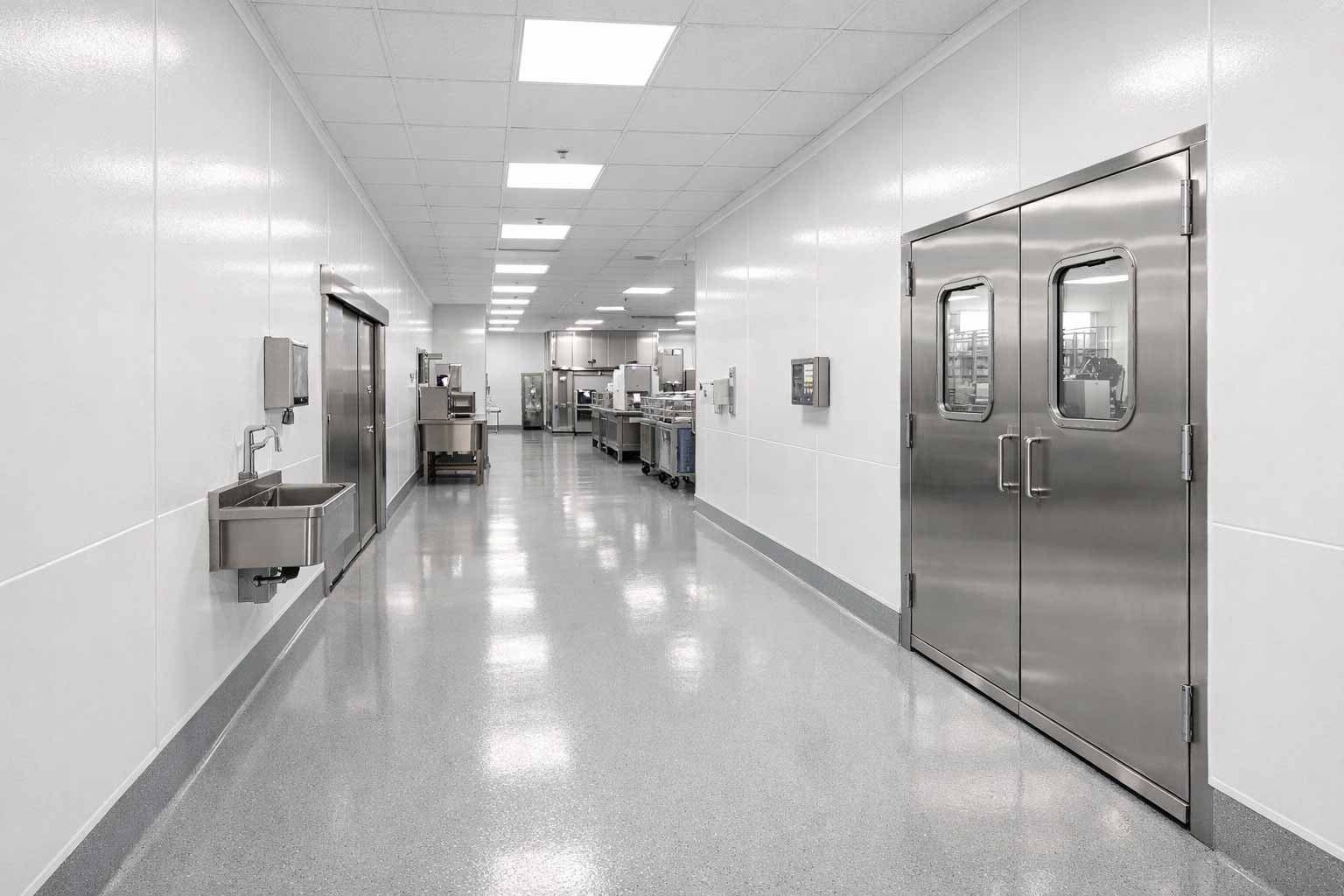
Choose FRP panels or hygienic wall cladding when the kitchen needs large washable surfaces, fewer grout lines, moisture resistance, fast installation, easy cleaning and coordination with epoxy, PU or Ucrete-style flooring. Choose tiles only when the project specifically needs ceramic aesthetics, localized high-temperature details or a traditional specification that already defines grout type, slope, waterproofing and maintenance responsibilities.
FRP panel direction
Best for preparation rooms, wash areas, cold rooms, food processing walls, dishwashing zones and back-of-house kitchens where a smooth wall finish and reduced joint maintenance are important.
Tile direction
Best for selected decorative or detail zones when the owner accepts grout cleaning, tile replacement, substrate preparation and waterproofing inspection as part of the maintenance plan.
SolidDrops approach
Review wall condition, drainage, coving, kerbs, resin floor type, washdown, chemicals, traffic, hygiene risk, budget factors and project schedule before recommending a wall system.
Decision table
FRP panels vs ceramic tiles in commercial kitchens
| Decision factor | FRP or hygienic wall cladding | Ceramic tile | Best direction |
|---|---|---|---|
| Grout and joints | Large sheets can reduce the number of joints. Correct trims, sealants and corner details still matter. | Many grout lines can become cleaning and maintenance points if not specified and maintained properly. | FRP for reduced grout concern. |
| Cleaning and washdown | Smooth washable wall panels are practical for routine kitchen cleaning and moisture-prone areas. | Tiles are washable, but grout condition controls long-term hygiene appearance and cleaning effort. | FRP for faster routine cleaning. |
| Installation speed | Often faster for refurbishment because sheets cover large areas with fewer individual units. | Requires tile setting, alignment, grout work and curing coordination. | FRP when shutdown time is limited. |
| Impact and wall protection | Good option for service corridors, preparation zones and splash areas when the right panel thickness and backing are used. | Individual tiles can crack or detach after impact, creating repair points. | FRP for back-of-house impact risk. |
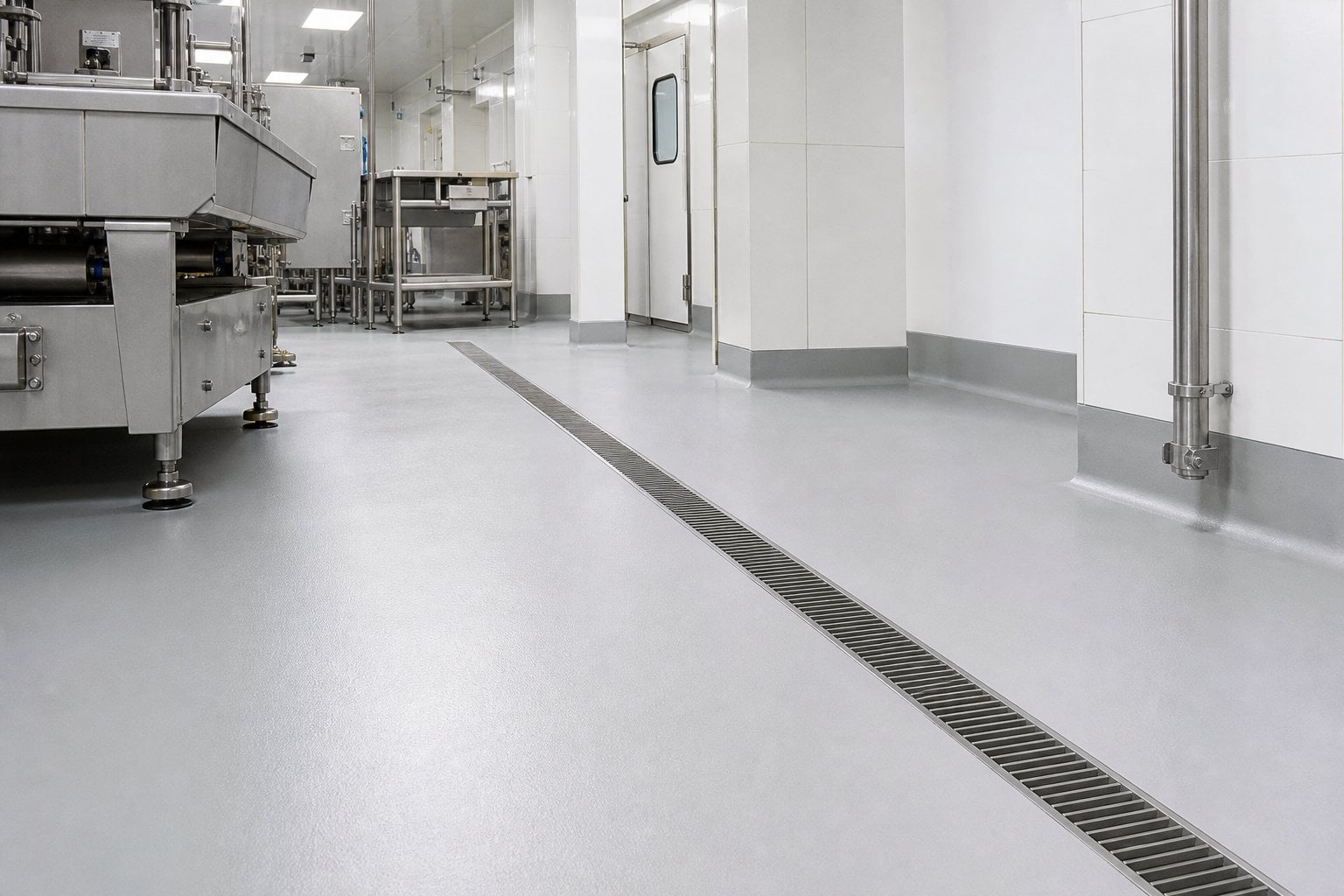
| Floor-wall transition | Works well with resin floor coving, FRP kerbs, trims and sealed junctions when detailed as one system. | Needs careful cove, skirting, waterproofing and grout specification to avoid weak junctions. | FRP with resin flooring for hygienic envelopes. |
| Design finish | Usually selected for utility, hygiene and maintenance rather than decorative tile patterns. | More decorative options for front-of-house or visible customer areas. | Tiles for decorative zones. |
| Documentation | Food-facing requirements should be matched with product datasheets, cleaning guidance and client acceptance. | Tile, adhesive, grout and waterproofing documents must all be checked together. | Project-specific review for both. |
Commercial kitchen applications
Where FRP panels usually make more sense
FRP wall panels and washable wall panels are commonly considered where water, oils, cleaning chemicals, food splashes and service traffic make painted walls or traditional tile grout difficult to maintain.
- Hotel, restaurant and catering kitchens in Riyadh, Jeddah and Dammam.
- Central kitchens, cloud kitchens and commissary preparation rooms.
- Dishwashing rooms, pot wash areas and wet service corridors.
- Cold rooms, chiller corridors and storage zones with condensation risk.
- Food production support spaces for bakery, dairy, meat, seafood and beverage facilities.
- Hospitals, schools, staff kitchens and institutional food preparation areas.
Advantages and benefits
Why owners replace kitchen tiles with hygienic wall panels
Fewer grout maintenance points
Large panel formats can reduce the amount of grout compared with tiled walls. This helps cleaning teams focus on routine hygiene instead of constantly repairing stained or cracked joints.
Better refurbishment planning
Panels can be suitable for phased kitchen upgrades when the facility cannot close for a long period. Existing substrate condition still needs inspection before installation.
Moisture and splash resistance
FRP panels are used in wet and washable areas because they can tolerate routine moisture better than ordinary painted walls when the joints and terminations are sealed correctly.
Cleaner floor-wall package
SolidDrops can coordinate FRP panels with epoxy, PU, Ucrete-style floors, coving, kerbs, drains and waterproofing so the wall and floor are not treated as separate problems.
Impact protection
Back-of-house walls face trolleys, cleaning tools and carts. The correct panel, adhesive, backing and protection detail can reduce damage compared with brittle finishes.
Practical specification control
Panel thickness, surface finish, trims, sealant, adhesive, fire performance, cleaning resistance and authority/client requirements should be reviewed before final approval.
Installation and coordination
What should be checked before choosing FRP or tiles?
- Survey the wall and floor: check moisture, damaged plaster, hollow tiles, level changes, cracks, drains and existing waterproofing.
- Define cleaning exposure: identify hot water, detergents, degreasers, oils, steam, impact, pressure washing and cleaning frequency.
- Choose the wall finish: compare FRP sheet, hygienic cladding, ceramic tile, stainless steel detail areas or mixed systems.
- Detail joints and corners: specify trims, sealant, internal corners, external corners, penetrations, door frames and ceiling junctions.
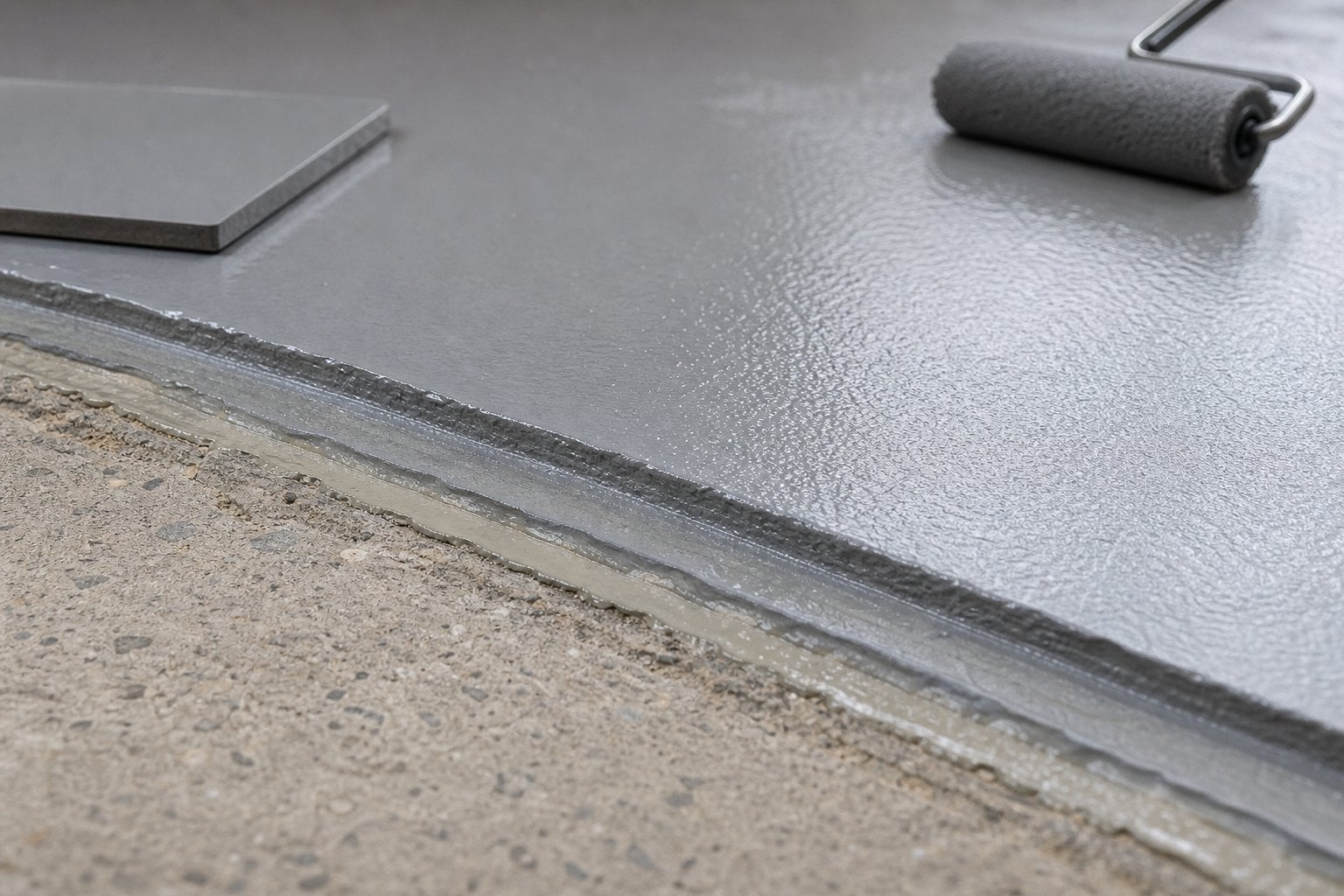
- Coordinate with floors: align wall panels with epoxy flooring, PU cement, Ucrete-style flooring, coving, skirting, kerbs and drain channels.
- Confirm documents: review datasheets, cleaning guidance, fire performance, adhesive compatibility and client/authority acceptance before purchase.
- Plan maintenance: set inspection points for sealants, joints, damaged panels, grout lines, floor coving and drain details.
Related SolidDrops products and services
Complete kitchen envelope, not only wall sheets
Commercial kitchen walls fail when the surrounding package is weak. SolidDrops supports project teams across Saudi Arabia with related building material categories that affect kitchen durability, hygiene and operations.
- FRP panels, hygienic wall panels and washable wall cladding.
- Epoxy flooring, PU flooring and Ucrete-style flooring for food preparation and wet process areas.
- Resin floor coving, skirting, kerbs, trims and sealed floor-wall transitions.
- Waterproofing for wet kitchens, roof areas, basements, tanks and service rooms.
- Construction chemicals, adhesives, sealants, repair mortars and substrate preparation materials.
- Pigments, coatings and resin flooring material support.
- Sports flooring and multipurpose flooring systems for gyms, schools and clubs.
- Fire alarm systems and building material coordination for operational facilities.
Saudi Arabia coverage
FRP panel and kitchen wall cladding support across KSA
SolidDrops supports owners, consultants, contractors, procurement teams and facility managers across Saudi Arabia, including Jeddah, Riyadh, Dammam, Jubail, Makkah, Madinah and Tabuk.
For each inquiry, share the kitchen type, area size, drawings or photos, wall condition, floor type, cleaning method, temperature exposure, current tile/grout issues and any required product documentation. This helps SolidDrops recommend whether FRP panels, tile repair, resin coving, waterproofing or a combined package is the better route.
Quotation checklist
Information to send for a useful recommendation
Site details
- City and facility type.
- New construction or refurbishment.
- Approximate wall area and height.
- Photos of current tile, paint, wall damage or moisture.
Kitchen exposure
- Washdown method and cleaning chemicals.
- Hot areas, wet areas and cold rooms.
- Impact from carts, trolleys and service traffic.
- Drain, cove and kerb requirements.
Documentation
- Consultant specification, if available.
- Required datasheets or approval documents.
- Preferred panel finish and color.
- Schedule and shutdown constraints.
FAQ
FRP panels vs tiles FAQ
Are FRP panels better than tiles for commercial kitchen walls?
FRP panels are often better for wet back-of-house kitchen walls because they reduce grout maintenance, cover large areas quickly and provide washable surfaces. Tiles can still be suitable in decorative or specific heat-detail areas when grout, waterproofing and maintenance are properly specified.
Can FRP panels be used with epoxy or PU kitchen flooring?
Yes. FRP wall panels can be coordinated with epoxy flooring, PU flooring, Ucrete-style flooring, resin coving, kerbs, trims and drains. The floor-wall transition should be detailed before installation so water and cleaning chemicals do not attack weak joints.
What are the main cost factors for FRP wall panels?
Cost depends on wall area, substrate repair, panel type, thickness, finish, trims, sealants, adhesive, access, shutdown limits, documentation requirements and whether flooring or waterproofing work is included. SolidDrops can review photos, drawings and specifications before advising.
Are FRP panels food safe?
Food-facing suitability should be confirmed through the selected product datasheet, cleaning guidance and client or authority approval route. SolidDrops avoids generic approval claims and helps project teams request the correct documentation for the chosen material.
Which Saudi cities does SolidDrops support?
SolidDrops supports projects all over Saudi Arabia, including Jeddah, Riyadh, Dammam, Jubail, Makkah, Madinah and Tabuk, for FRP panels, flooring, waterproofing, chemicals, pigments, sports flooring, fire alarm systems and building materials.
What should be fixed first in an old tiled kitchen?
Start with moisture, hollow tiles, damaged grout, cracked substrate, poor slopes, leaking drains and failed floor-wall junctions. Replacing tiles with FRP panels without fixing the wall and floor details can leave the original problem in place.
Need a practical FRP vs tile recommendation?
Send SolidDrops your commercial kitchen photos, drawings, city, wall size, current floor type and cleaning exposure. The team can review FRP panels, tiles, resin flooring, coving, waterproofing and related materials as one package.
Email: [email protected] | Phone: +966502131112 | Coverage: all over Saudi Arabia
 Chat Online